
Plants
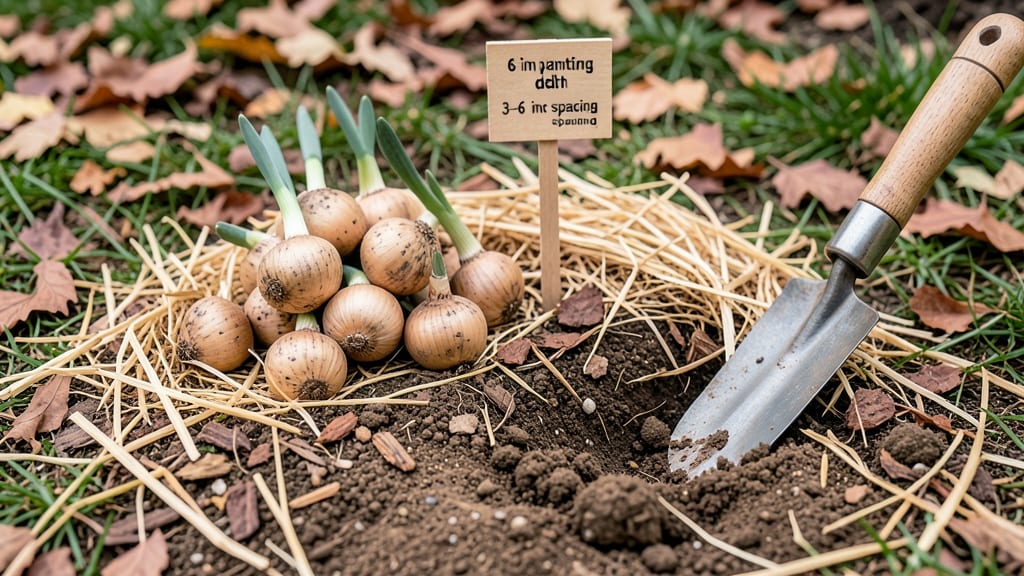
Planting daffodil bulbs at the wrong time in Oklahoma can mean the difference between a vibrant spring garden and a wasted investment. With Oklahoma’s Zone 7b climate, timing is critical—too early, and frost zaps your bulbs; too late, and they won’t root before winter sets in.
I’ve seen gardeners in Oklahoma City and Tulsa struggle with this exact problem, but the solution is simpler than you think. The key is understanding your local frost dates and soil conditions.
By following the right window—typically between September and November—you’ll give your 🌼 daffodils the best chance to thrive.
In this guide, I’ll break down the exact deadlines for planting in Oklahoma’s unpredictable climate, including soil prep tips and how to protect your bulbs from late freezes. Whether you’re a first-time gardener or a seasoned pro, these insights will help you avoid common mistakes and enjoy stunning spring blooms.
Ready to transform your garden? Let’s dive into the step-by-step process so you can plant with confidence and watch your daffodils flourish next spring.
Optimal planting windows for Oklahoma’s Zone 7b climate
Oklahoma’s Zone 7b climate creates a narrow window for planting daffodil bulbs—typically between mid-September and mid-November. This timeline ensures bulbs establish roots before the first frost, usually around November 15, while avoiding summer heat stress.
The ideal soil temperature for planting is 50–60°F, which Oklahoma typically hits in early October.
For Oklahoma City, aim to plant by October 15 to guarantee root growth before winter. In Tulsa, slightly later planting (up to November 1) works due to milder microclimates.
Always check your local frost dates—late freezes can still occur in December, so don’t delay past mid-November.
Here’s the breakdown of your planting window based on Oklahoma’s climate zones:
| Timeframe | Soil Temp | Risk Level | Notes |
|---|---|---|---|
| Late August | 60°F+ | High (heat stress) | Avoid—bulbs may dry out. |
| September | 50–60°F | Low | Best time—roots establish quickly. |
| October | 40–50°F | Moderate | Safe—bulbs tolerate cooler soil. |
| November | 35–40°F | High (late freezes) | Risky—plant only if ground isn’t frozen. |
In northern Oklahoma (e.g., Norman), plant by October 1 to avoid early freezes. Southern areas like Lawton can push planting to November 10 with proper mulching. Always test soil moisture—if it’s dry and crumbly, wait a week before planting.
Pro tip: Use a soil thermometer to confirm temperatures. If soil is below 50°F, delay planting until conditions improve. Bulbs planted in warmer soil (>60°F) may sprout prematurely and get damaged by frost.
For container gardening, plant daffodils in late September to give roots time to establish. Containers freeze faster than ground soil, so avoid planting after October 15 unless you use insulated pots or a cold frame.
Oklahoma’s clay-heavy soils can delay planting if they’re waterlogged. Amend soil with compost or sand to improve drainage before planting. Well-draining soil is critical—daffodils rot if left in soggy conditions.
Remember: Daffodils need 6–8 weeks of root growth before winter. If you plant too late, bulbs won’t thrive, and you’ll miss spring blooms. Mark your calendar for September 15–October 15 as your prime window.
Finally, consider local microclimates. Gardens near lakes or hillsides may stay warmer longer, extending your planting window. Use these natural advantages to your benefit!
Optimal planting windows for Oklahoma’s Zone 7b climate
Oklahoma’s Zone 7b climate creates a narrow but critical window for planting daffodil bulbs—aim for mid-September through mid-November. This timeline balances root establishment before winter and frost avoidance. Historical data shows Oklahoma City’s average first frost falls around November 15, while Tulsa may see it slightly later.
Planting 4-6 weeks before frost ensures bulbs develop strong roots without premature dormancy.
For early fall planting (September-October), soil temperatures typically range between 50°F–60°F, ideal for root growth. If you wait until late October or November, prioritize southern exposures where soil warms faster.
In higher-elevation areas (e.g., Oklahoma Mountains), frost can arrive earlier—adjust your timeline 2-3 weeks earlier to compensate.
| Timeframe | Soil Temp | Frost Risk | Oklahoma City | Tulsa |
|---|---|---|---|---|
| Mid-Sept | 60°F+ | Low | ✅ Ideal | ✅ Ideal |
| Oct 1-15 | 50°F-60°F | Moderate | ✅ Safe | ✅ Safe |
| Oct 16-Nov 15 | 40°F-50°F | High | ⚠️ Risky | ⚠️ Risky |
| After Nov 15 | <40°F | Very High | ❌ Avoid | ❌ Avoid |
Use a soil thermometer to verify readiness—ideal planting temps hover around 50°F–60°F. In clay-heavy Oklahoma soils, amend with compost to improve drainage, as waterlogged bulbs rot. For container planting, extend your window slightly later (until late November) since pots insulate roots better.
Pro tip: Mark your calendar for October 15 as the absolute deadline in most of Oklahoma. After this date, bulbs lack time to root deeply, increasing frost vulnerability. If you miss this window, wait until spring (March) for container-grown daffodils only—never plant spring bulbs outdoors after frost arrives.
Monitor local forecasts using the National Weather Service’s Oklahoma City/Tulsa alerts. A 3-day frost warning means it’s time to mulch planted bulbs with 4–6 inches of straw to protect them through winter. This extra layer can push your planting window 1–2 weeks later in mild years.
For hardier varieties like ‘Ice Follies’ or ‘Tête-à-Tête’, you can stretch your window slightly later, but never risk planting after November 1 unless you’re in southern Oklahoma (Zone 8). Always prioritize root establishment over bloom timing—healthy roots mean vibrant spring flowers the following year.