
Plants
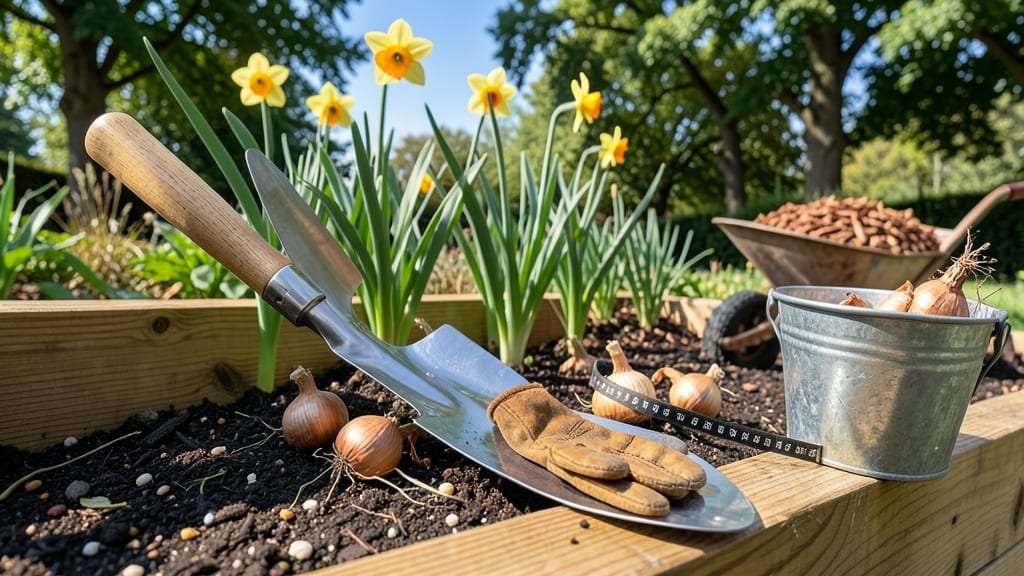
Timing your daffodil planting in Maryland can mean the difference between a showstopping spring display and a missed opportunity. With Maryland's 7a-7b climate, getting those bulbs in the ground at just the right moment—between October and November—sets the stage for vibrant blooms by April.
Why does timing matter so much? Because daffodils need time to establish roots before winter sets in. Plant too early, and a late frost might damage tender shoots. Too late, and they won’t have enough time to anchor before the ground freezes.
The key is finding that sweet spot when soil temperatures hover around 50-55°F—perfect for root growth without risking frost.
I’ve helped Maryland gardeners like you nail this window for years, and I’m sharing the exact strategy that works. Whether you’re in Baltimore’s urban gardens or the rolling hills of Frederick County, you’ll learn how to time your planting for zero frost risk and maximum bloom potential.
Let’s dive into the zone-specific dates and pro tips that will have your 🌼 daffodils thriving next spring—no guesswork required.
Maryland’s daffodil planting Zones: frost dates by region
Maryland’s climate varies dramatically from the Eastern Shore to the mountains of Western Maryland, making frost dates critical for daffodil success. Most of the state falls within USDA Zones 6a–7b, but microclimates—like Baltimore’s urban heat island—can shift frost timing by 1–2 weeks.
To avoid frost damage, aim to plant bulbs 4–6 weeks before your area’s first hard frost.
NOAA data shows Maryland’s average first frost ranges from mid-October in the mountains (Zone 6a) to late November along the coast (Zone 7b). For example, Frederick County typically sees its first frost around October 20, while Annapolis holds off until November 5.
These dates are your planting deadline—bulbs need 6–8 weeks to establish roots before winter.
Here’s how Maryland’s regions break down for zero-frost-risk planting:
Pro Tip: Use a soil thermometer to confirm temperatures—bulbs thrive when soil is between 50–60°F. Maryland’s clay-heavy soils retain heat longer, so coastal areas can plant slightly later. If you’re unsure, err on the earlier side—daffodil bulbs can handle cooler soil better than warm.
For late bloomers, consider early September planting in Zone 6a areas. While bulbs won’t root as deeply, they’ll still produce smaller but viable blooms the following spring. Just avoid planting after November 15—frost can damage emerging shoots before they’re established.
Local Exception: Baltimore’s urban heat island delays frost by 1–2 weeks compared to rural areas. If you’re in the city, aim for October 15–November 1 instead of the broader central MD window. Check your specific neighborhood—even small differences in elevation or pavement density affect microclimates.
Key Takeaway: Maryland’s frost-free planting window is September 20–November 10, but your exact timeline depends on your zone. Use the table above as your personalized deadline—planting outside these dates risks frost damage or missed blooms. For extra safety, mulch heavily after planting to insulate bulbs.
🌼
Best month-by-month planting schedule for Maryland daffodils
Now that you know your frost-free window, let’s break down the month-by-month schedule for planting daffodils in Maryland. The goal is to get bulbs in the ground when soil temperatures are 50–55°F—ideal for root growth without risking frost damage.
Here’s how to time it perfectly for each month from October through December.
Starting in October, Maryland’s central and western regions (Zones 6a–7a) are ready for planting as soon as soil temps drop below 60°F. In Baltimore and Frederick, aim for mid-October when daytime highs hover around 65°F and nights dip into the 40s.
Coastal areas (Zone 7b) can wait until late October when soil cools further.
Here’s your month-by-month action plan for foolproof daffodil planting:
-
📅 October (Best for Zones 6a–7a)
Soil Temp: 50–60°F | Action: Plant bulbs 6–8 inches deep, 3x their height, with 4–6 inches between bulbs. Maryland’s clay soil benefits from adding compost or sand to improve drainage. -
📅 November (Zone 7b–8a)
Soil Temp: 50–55°F | Action: Plant by November 15 in coastal areas. Use a soil thermometer—wait until temps stabilize below 60°F. Mulch with 3 inches of straw to protect bulbs from late-season frost. -
📅 Early December (Backup Window)
Soil Temp: 45–50°F | Action: Only for Zone 7b+. Plant shallow (4–5 inches deep) and mulch heavily. Bulbs may produce smaller blooms but will still survive. Avoid planting after December 15—frost risk increases.
Critical Tip: Maryland’s clay-heavy soil can become waterlogged in fall. Before planting, loosen the soil to a depth of 12 inches and mix in organic matter like compost or aged manure. This improves drainage and gives roots room to grow. If your soil is too dense, consider planting in raised beds for better control.
For container planting, use pots with drainage holes and a well-draining potting mix. Plant bulbs in October–November and keep containers in a protected spot (like a garage or under eaves) until spring.
Move them outdoors in March for blooming. This works well for balconies or patios in urban areas like Baltimore.
After planting, water deeply to settle the soil around bulbs. Then, let nature take over—daffodils need minimal watering once established. Focus on mulching to insulate bulbs through winter. In Maryland’s freeze-thaw cycles, mulch prevents soil heaving, which can expose bulbs to frost damage.
🌱