
Plants
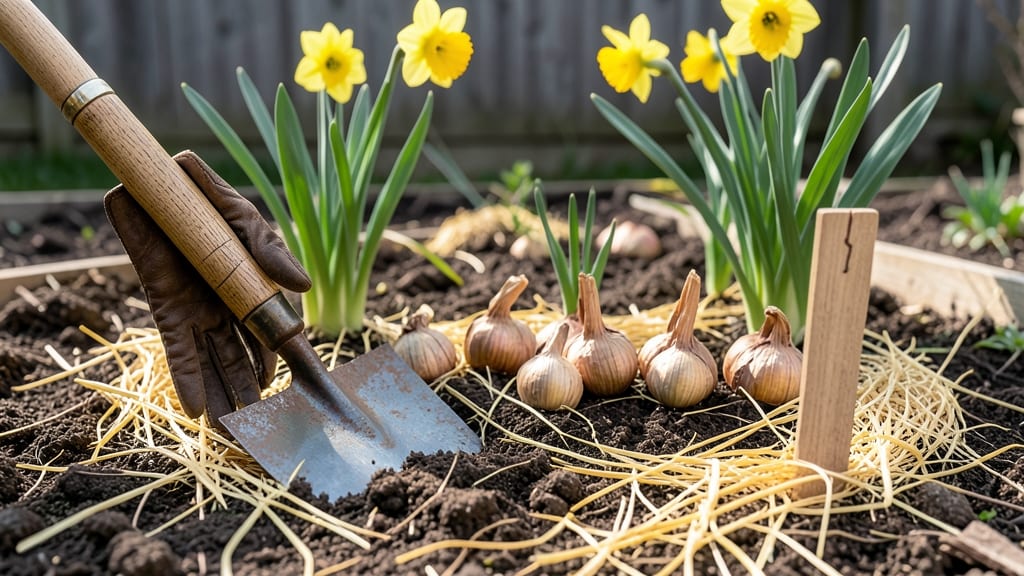
Timing your daffodil bulb planting in Alabama can mean the difference between a garden bursting with early spring color and a missed opportunity for those cheerful 🌼 blooms you’ve been dreaming of.
Alabama’s mild winters and unpredictable weather make fall planting tricky—plant too early, and your bulbs might rot before winter sets in; too late, and they won’t get the chill they need to bloom in February.
But here’s the good news: with the right chill-resistant varieties and a smart planting schedule, you can beat Alabama’s climate and enjoy daffodils pushing through the soil as early as late January.
Whether you’re in the cooler 7b zones of the north or the warmer 8a areas of the south, I’ll break down the exact window—typically October through December—and how to adjust for your specific microclimate.
You’ll also discover how to prepare your soil for Alabama’s heavy clay or sandy loam, the perfect bulb depth to keep them safe from squirrels and frost heaves, and even a backup plan if you miss the fall window.
Let’s make sure your daffodils get the head start they need to outshine the rest of your garden.
Ready to turn your yard into a springtime showstopper? The key is acting now—before the first frost locks the ground. I’ll walk you through every step, from soil prep to post-planting care, so your daffodils don’t just survive Alabama’s winters—they thrive in them.
Best planting months for daffodils in Alabama’s climate zones
Alabama’s USDA zones 7b-8a create unique challenges for daffodil growers. Unlike northern states, our mild winters mean bulbs need chill-resistant varieties and precise timing to establish roots before heat returns.
The ideal window is 6-8 weeks before your area’s first frost—typically mid-October to early December—but microclimates vary dramatically from north Alabama’s cooler hills to southern Alabama’s balmier coasts.
Northern Alabama (zones 7b-8a) can handle September planting for early blooms, while southern Alabama’s warmer soils demand waiting until November. Soil temperature is your best guide: aim for 60°F or below at planting depth (4-6 inches). Use a soil thermometer to avoid planting too early when summer heat lingers.
Missed the fall window? Don’t panic! January planting works for chill-resistant varieties like ‘February Gold’—just plant deeper (6-8 inches) and water thoroughly to encourage root growth before spring. The trade-off? Slower establishment and slightly later blooms.
Here’s the critical timeline for Alabama:
| Zone/Region | Ideal Planting Window | Soil Temp Threshold | Key Consideration |
|---|---|---|---|
| North Alabama (7b) | Mid-September to October 15 | 55-60°F | Cooler soils; risk of early frost |
| Central Alabama (8a) | October 1 to November 1 | 60°F or below | Moderate climate; balance heat and frost |
| South Alabama (8a) | November 1 to November 15 | 65°F max (wait for cooler soils) | Warmer soils; delay until after heat spikes |
| All Regions (Backup) | January (chill-resistant varieties only) | N/A (plant deeper) | Slower growth; water deeply |
Alabama’s humidity and clay-heavy soils can stress bulbs, so amend planting areas with compost or sand to improve drainage. In low-lying areas prone to winter waterlogging, consider raised beds or mounded soil to prevent bulb rot. Test your soil’s pH—daffodils prefer 6.0-7.0, and Alabama’s native soils often skew acidic.
Pro tip: Plant in groups of 3-5 bulbs for dramatic displays, spacing them 4-6 inches apart. This mimics natural clusters and deters squirrels, which love digging up isolated bulbs. Use bulb cages or plant near daffodil-friendly perennials like ferns or hellebores for extra protection.
For real-time updates, check the Alabama Cooperative Extension System’s frost maps or local weather stations. Their first frost alerts help adjust your planting schedule yearly. Remember: early planting = earlier blooms, but don’t rush—healthy roots matter more than speed.
Once planted, mulch with 2-3 inches of pine straw to insulate bulbs from temperature swings. Remove mulch in early spring to prevent fungal diseases as shoots emerge.
With the right timing and care, your daffodils will reward you with bright blooms by February or March, beating Alabama’s heat and humidity to the punch! 🌼
Best planting months for daffodils in Alabama’s climate zones
Alabama’s USDA zones 7b-8a mean daffodils face a unique challenge—mild winters that may not provide enough chill hours for traditional varieties. However, the key to success lies in planting timing and selecting the right chill-resistant bulbs.
For most of the state, the ideal window is between mid-October and early December, when soil temperatures drop below 60°F but before hard frosts arrive.
Northern Alabama (e.g., Huntsville, Decatur) can plant as late as mid-November, while southern regions (e.g., Mobile, Birmingham) should aim for early October to avoid heat stress. The goal is to give bulbs 6-8 weeks to establish roots before winter dormancy begins.
This timing ensures they’ll bloom early next spring, often as early as February.
🌱
| Region | Best Planting Window | Soil Temp Threshold | Key Consideration |
|---|---|---|---|
| Northern Alabama (Zones 7b) | Mid-October to mid-November | Below 60°F | Later frosts; chill-resistant varieties |
| Central Alabama (Zones 7b-8a) | Early October to early December | Below 55°F | Moderate frost risk; mulch heavily |
| Southern Alabama (Zones 8a) | Early October to late November | Below 50°F | Mild winters; prioritize early bloomers |
If you miss the fall window, January planting is still possible in Alabama’s warmer microclimates, but success depends on immediate watering and mulching. However, bulbs planted in January may not bloom until the following year.
For best results, stick to the fall schedule and choose early-blooming varieties like ‘February Gold’ or ‘Tête-à-Tête’.
Alabama’s humidity and occasional early rains can also impact planting. Always plant in well-draining soil and avoid waterlogged areas. Raised beds or slightly elevated spots help prevent bulb rot, especially in clay-heavy soils common in northern Alabama.
Test your soil’s drainage by digging a hole—if water pools after 30 minutes, amend with compost or sand.
For container gardening, plant daffodil bulbs in late fall (November-December) to mimic ground conditions. Use pots with drainage holes and a lightweight potting mix blended with perlite. Place containers in a protected spot (e.g., under a porch) to shield bulbs from extreme temperature swings.
Move pots to a sunny location in early spring to encourage blooming.
🌿