
Plants
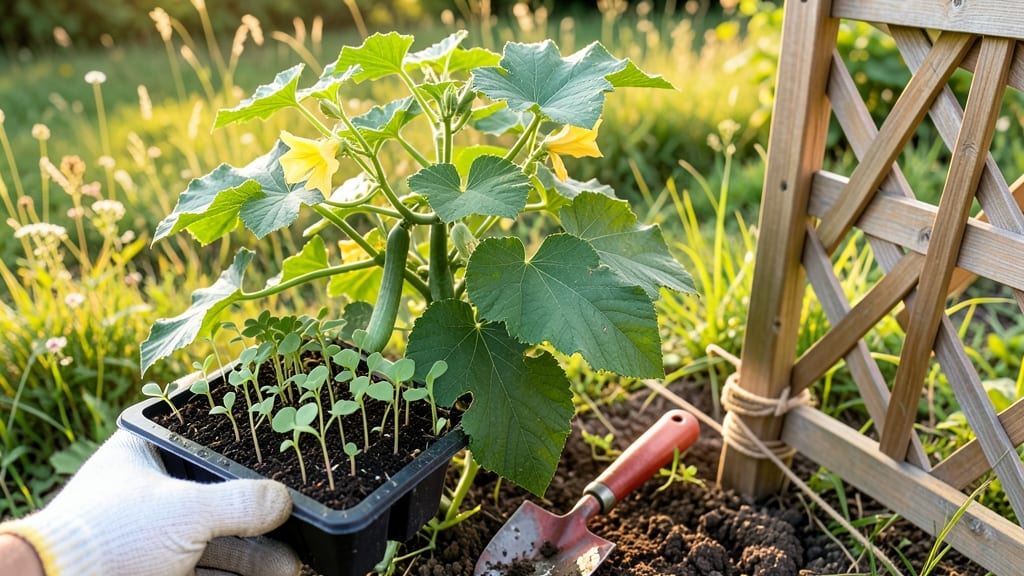
Timing your cucumber planting in Zone 8b could mean the difference between a bountiful harvest and wilting vines before they even take off.
With the right schedule, you can grow crisp, homegrown 🥒 all summer long - but get it wrong, and those heat waves will turn your garden dreams into a sad, shriveled mess.
Zone 8b's warm climate gives you two prime windows to plant: late winter/early spring when soil finally warms, or early summer when temperatures stabilize. The key is waiting until after your last frost date - typically around mid-February - when soil temperatures consistently hit 60°F or higher.
I've learned the hard way that rushing cucumbers into cold soil leads to slow growth and disease susceptibility. Instead, focus on planting when your region's microclimate aligns with these ideal conditions, whether you're direct-sowing seeds or transplanting seedlings.
What you'll discover here are the exact planting dates that work best for Zone 8b, plus heat-tolerant varieties that thrive in your climate. Let's get those cucumbers growing the right way from the start.
Best planting timeline for cucumbers in Zone 8b: exact dates by method
Zone 8b’s mild winters and long summers create a unique challenge for cucumber growers. Unlike cooler climates, you can’t rely on a single planting window—early spring, late spring, and even fall options work if you choose the right timing and varieties.
The key is soil temperature, not frost dates, since cucumbers thrive when the ground warms to 60°F or above.
Most gardeners in Zone 8b focus on two main planting windows: late spring (after the last frost) and early summer (for a fall harvest). However, succession planting every 2-3 weeks can stretch your harvest from June through October.
Let’s break down the exact dates and methods for each approach, including direct sowing vs. transplanting seedlings.
📅 Comparison Table: Planting Methods for Zone 8b Cucumbers
| Method | Best Timeframe | Soil Temp Requirement | Key Consideration |
|---|---|---|---|
| Direct Sow Seeds | Late April - Early June | 60°F+ (consistent) | Faster growth, stronger roots |
| Transplant Seedlings | Early May - Mid-July | 55°F+ (minimum) | Earlier harvest, but risk of transplant shock |
| Fall Planting | Late July - Early August | 60°F+ (daytime) | Use heat-tolerant varieties; harvest before frost |
For direct sowing seeds, aim for late April to early June when soil temperatures consistently stay above 60°F. This method gives cucumbers the best start because they develop stronger root systems without transplant shock. Use a soil thermometer to confirm readiness—cold soil will delay germination by weeks.
If you prefer transplanting seedlings, start them indoors 4-6 weeks before your target outdoor date (early May to mid-July). Harden off seedlings for 7-10 days before moving them outside to avoid stress.
This method works well for bush varieties, which mature faster and are less prone to heat stress.
Don’t overlook fall planting! In Zone 8b, you can sow seeds late July to early August for a late-season harvest. Choose heat-tolerant, fast-maturing varieties (like ‘Straight Eight’) and prioritize shade cloth during peak afternoon heat. Aim to harvest before the first frost (mid-November).
Pro tip: Succession plant every 2 weeks from May through July to ensure a continuous supply. For example, plant one batch in early May, another in mid-June, and a final one in early July.
This staggering technique maximizes your harvest window and reduces the risk of powdery mildew from overcrowded plants.
Watch for heat waves in Zone 8b, which can stress cucumbers. If temperatures exceed 90°F for more than 3 days, provide 30-50% shade cloth during the hottest hours.
Mulch with straw or black plastic to retain moisture and cool the soil. These adjustments can extend your harvest by 4-6 weeks.
Finally, always test your soil pH (ideal range: 6.0-6.8) before planting. Zone 8b soils often lean alkaline, which can stunt cucumber growth. Amend with compost or sulfur if needed, and fertilize lightly with a balanced 10-10-10 mix at planting and again when flowers appear.
With these exact dates and methods, you’ll avoid the common pitfalls of bolting (premature flowering) or bitter cucumbers from heat stress. Happy planting—your summer salads will thank you! 🥒
Best planting timeline for cucumbers in Zone 8b: exact dates by method
Zone 8b’s long, hot summers and mild winters create a unique window for growing cucumbers. Unlike cooler zones, you can plant twice a year—once in early spring and again in early summer—to avoid heat stress.
The key is timing: wait until the soil warms to 60°F+ and all frost risk has passed.
For spring plantings, aim for mid-March to early April after your last frost date (typically February 15). If you’re transplanting seedlings, start them indoors 4-6 weeks before your target outdoor date.
For summer plantings, direct-sow seeds in late June to early July to take advantage of the cooler late-summer temperatures.
🌱 PRO TIP: Use a soil thermometer to confirm warmth—cucumbers won’t germinate below 60°F. In Zone 8b, microclimates matter: urban areas may heat up faster than rural spots, so adjust your timeline accordingly.
| Method | Planting Window | Soil Temp Requirement | Key Consideration |
|---|---|---|---|
| Direct Sowing (Spring) | Mid-March to Early April | 60°F+ | Avoid transplant shock; sow after last frost |
| Transplanting (Spring) | Late March to Mid-April | 60°F+ | Start seeds indoors 4-6 weeks prior |
| Direct Sowing (Summer) | Late June to Early July | 65°F+ | Escape peak heat; use shade cloth if needed |
| Fall Planting (Optional) | Late August to Early September | 60°F+ | Risky; harvest before first frost (Nov 15) |
If you’re direct-sowing seeds, plant them 1 inch deep and 12 inches apart (or closer for bush varieties). For transplants, harden off seedlings for 7-10 days before moving them outdoors to prevent shock. In Zone 8b’s heat, mulching with straw helps retain moisture and keeps roots cool.
Missed the spring window? Don’t worry—late June plantings still yield well if you choose heat-tolerant varieties like ‘Straight Eight’ or ‘Marketmore 76.’ Just be prepared to water deeply (1-2 inches per week) to combat the dry air.
A drip irrigation system works best to avoid wetting leaves and inviting disease.
For a continuous harvest, stagger plantings every 2-3 weeks in spring and again in summer. This ensures you’re never without fresh cucumbers from May through September. Just remember: cucumbers hate cold, so avoid planting near late-spring frost pockets or you’ll risk stunted growth.