
Plants
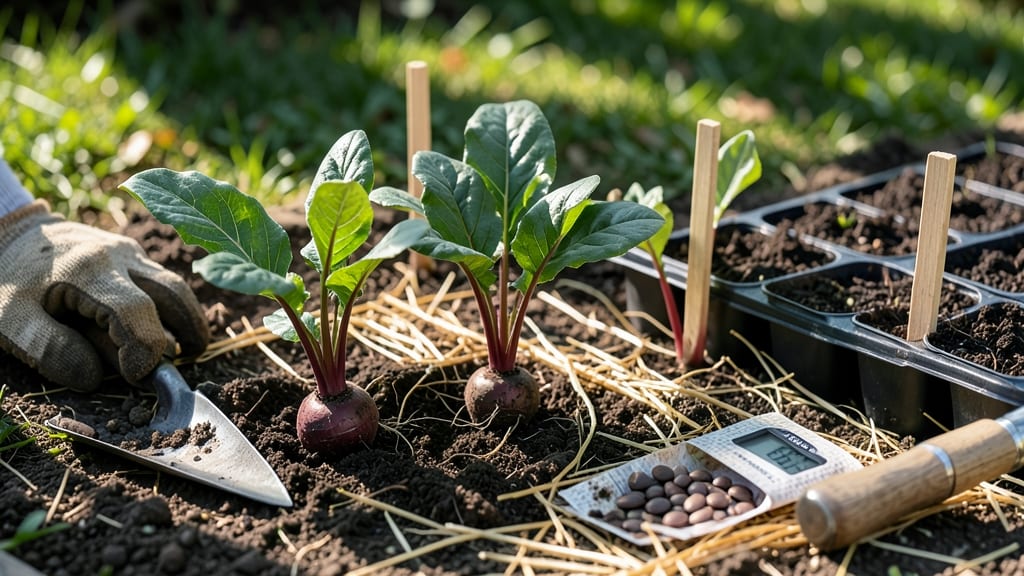
Knowing when to plant beets in Minnesota can mean the difference between a bumper crop of sweet, tender roots and a disappointing harvest. With its short growing season and unpredictable frost dates, timing is everything for this cold-hardy 🍠 favorite.
Most gardeners in USDA zones 4a-5b get their best results by planting beets in early spring—around April—or again in mid-summer for a fall harvest. But those exact dates shift based on your region, soil temps, and last frost warnings.
What if you miss the spring window? Don’t worry—beets are forgiving! With the right varieties and a few smart tricks, you can still enjoy fresh harvests from June through October, even if you plant as late as July.
In this guide, I’ll break down the exact planting schedules for Minnesota’s climate zones, plus the best beet varieties to grow here. Let’s get those roots in the ground at the perfect time!
Best planting windows for beets in Minnesota’s climate zones
Minnesota’s USDA Zones 4a-5b mean beet seeds must time their germination with soil temperatures above 40°F—a delicate balance between frost risk and warm-up.
In Northern Minnesota (Zones 4a-4b), last frosts can linger until May 15-20, while Southern Minnesota (Zone 5b) often sees frost-free soil by April 20-30. Planting too early risks seed rot; too late, and you miss the 60-70 day harvest window before fall frosts.
For spring plantings, aim to sow seeds 4-6 weeks before your last frost date—typically mid-April in the South to late April in the North.
This gives seedlings time to establish before late spring frosts (common in May). Summer succession plantings (July) should occur 8-10 weeks before first frost (mid-September) to ensure mature roots before cold sets in.
Soil temperature is your #1 guide: Use a soil thermometer to confirm 45-50°F at 2-inch depth. In Northern Minnesota, wait until May 1 or later; in the Twin Cities metro, April 15 is often safe. Cold frames can shave off 2-3 weeks of risk for early starts.
Visual Tip: Watch for dandelions blooming—a sure sign soil has warmed enough for beet seeds. In Zone 4a, this usually aligns with late April to early May.
For succession planting, sow new seeds every 2-3 weeks from April to July to stagger harvests. In Northern Minnesota, your last planting should be by July 15 to avoid immature roots before frost. Use row covers to push back frost dates by 2-3 weeks if needed.
Pro Minnesota gardeners swear by straw mulch (2-3 inches thick) to insulate soil and retain moisture during dry springs. This also suppresses weeds, which compete with young beet seedlings. Apply mulch after germination to avoid smothering sprouts.
If you’re container gardening, start seeds indoors 4-6 weeks before last frost and transplant seedlings when soil reaches 50°F. Use 5-gallon pots or larger to accommodate root growth. Black plastic mulch can warm soil by 5-10°F, speeding up germination in cool areas.
Remember: Beets are frost-tolerant—young seedlings can handle light frosts down to 25°F, but avoid hard freezes (<20°F). Use frost cloth for extra protection during late spring or early fall plantings. This extends your harvest window by 3-4 weeks.
For extended harvests, try fall plantings in August—these beets mature just in time for Thanksgiving tables. Choose bolt-resistant varieties like 'Boltardy' for these late-season sowings. Store harvested beets in sand or sawdust at 32-40°F for winter use.
Best planting windows for beets in Minnesota’s climate zones
Minnesota’s USDA zones 4a-5b mean frost dates vary dramatically—from mid-April in the south to early May in the north. Beets are cold-hardy, but timing matters to avoid bolting (going to seed) or stunted growth from late frosts.
I’ve broken down the optimal planting windows for each region, plus soil temperature and frost risk tips to maximize your harvest.
For Northern Minnesota (Zones 4a-4b), start seeds indoors 4-6 weeks before last frost (around late March) or direct-sow in early May after soil warms to 40°F.
In Central Minnesota (Zone 5a), you can plant outdoors as early as mid-April if soil isn’t frozen, but late April is safer. Southern Minnesota (Zone 5b) gardeners can start outdoors by late March and even sow a second crop in early July for a fall harvest.
| Region | Last Frost Date | Optimal Planting Window | Soil Temp for Germination | Succession Planting |
|---|---|---|---|---|
| Northern MN (Zones 4a-4b) | Mid-April to early May | Early May (outdoors) or late March (indoors) | 40-50°F | Early July for fall harvest |
| Central MN (Zone 5a) | Late April to early May | Mid-April (covered) or late April (outdoors) | 45-55°F | Late June for late-summer harvest |
| Southern MN (Zone 5b) | Early to mid-April | Late March (outdoors) or early April (covered) | 50-60°F | Early July and again in August |
Pro tip: Use a soil thermometer to check temperatures—beets won’t germinate well below 40°F. If your soil is too cold, wait 1-2 weeks or use black plastic mulch to warm it faster.
For early spring plantings, cover seeds with row fabric to protect from late frosts (down to 20°F for young seedlings).
Don’t overlook succession planting! After your first harvest in June or July, sow another batch every 2-3 weeks until mid-August. This ensures a continuous supply of beets until first frost.
In Southern Minnesota, you can even plant a third crop in early September for a late-fall harvest before hard frosts hit.
Avoid planting beets too late in summer—they need at least 50 days to mature. If you sow after August 1st, choose fast-maturing varieties (like 'Babybeat') or risk bolting from cool nights. Always harvest before hard frosts (below 20°F) to enjoy tender roots.
For extra insurance, plant a mix of varieties with different maturity times. This way, you’ll have early, mid, and late-season beets all ready to harvest. Pair Detroit Dark Red (60 days) with Golden (50 days) and Chioggia (55 days) for a staggered harvest from June through October. 🌱