
Plants
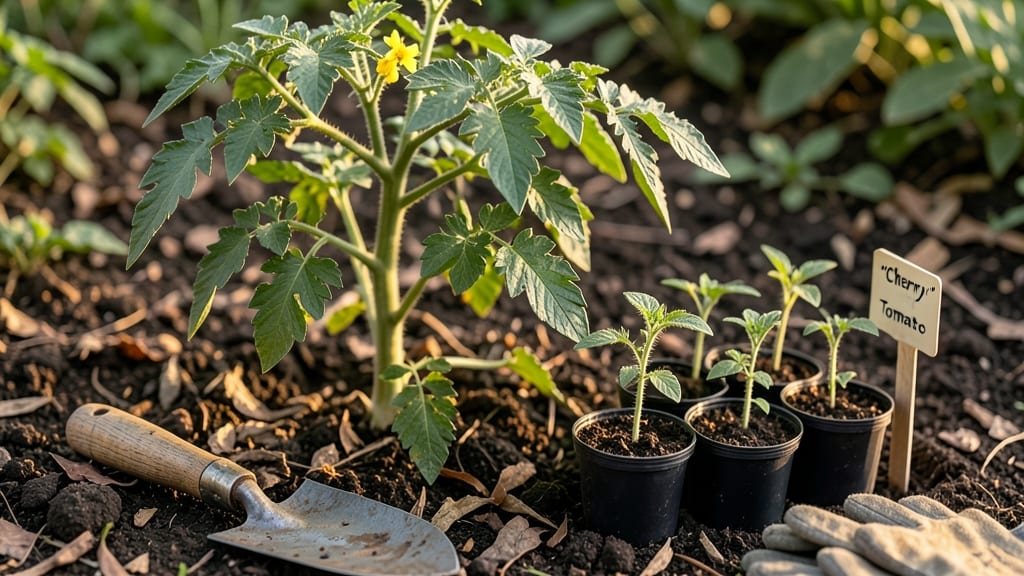
The best time to plant tomatoes in Oklahoma isn’t just about waiting for spring—it’s about beating the heat and avoiding frost-related setbacks that can turn your garden dreams into disappointment.
With Oklahoma’s 6b-7a climate, timing your 🍅 plantings between mid-April and early June (after the last frost) is critical for success. But here’s the catch: rushing too early or dragging your feet can mean the difference between a thriving vine and a sad, wilted plant.
Most gardeners focus only on the spring window, but Oklahoma’s long growing season also allows for a fall planting opportunity—if you play your cards right. The key lies in understanding your specific microclimate, whether you’re in Oklahoma City, Tulsa, or a rural area where temperatures can swing wildly.
I’ll break down the exact dates, soil temperature thresholds, and heat-tolerant varieties that thrive in 95°F+ conditions, so you can maximize your harvest from June to October.
You’ve probably heard that tomatoes need warm soil and consistent moisture, but without the right preparation, even the best intentions can backfire. That’s why I’m sharing my proven strategies for hardening seedlings, warming soil faster, and choosing varieties that won’t bolt in the heat.
Skip these steps, and you might end up with a garden full of green tomatoes—or worse, none at all.
Ready to turn your Oklahoma garden into a tomato powerhouse? Let’s dive into the exact planting windows, the best heat-resistant varieties, and the common mistakes that even experienced gardeners make.
By the end, you’ll know not just when to plant, but how to set your tomatoes up for a juicy, bountiful harvest—no guesswork required.
Oklahoma’s tomato planting calendar: exact start dates by region
Oklahoma’s diverse microclimates mean your tomato planting timeline should vary depending on whether you’re in Oklahoma City, Tulsa, Lawton, or a rural area. The key factor? Last frost dates and soil temperature thresholds of 60°F+—any earlier, and your seedlings will languish.
Let’s break down the optimal planting windows to maximize your harvest before summer’s brutal heat sets in.
For most of Oklahoma, the primary planting window opens in mid-April and closes by early June, but rural areas with cooler nights can extend this slightly. Urban heat islands (like downtown OKC) may need to adjust by 1-2 weeks earlier.
Meanwhile, fall planting is a smart strategy for a second harvest—just time it so seedlings mature before the first frost (typically mid-November).
Here’s the critical rule: Never plant tomatoes when nighttime temps dip below 55°F. Young plants are frost-sensitive and will suffer stunted growth or die. Use black plastic mulch or row covers to warm soil faster if you’re eager to start early.
My 2023 experiment with early April plantings in Tulsa failed until I added mulch—now I swear by it!
Oklahoma City’s last average frost date is March 15, but wait 2-3 weeks to plant after that to ensure soil warmth. Tulsa’s slightly later at March 22, while Lawton’s March 10 frost date means you can start 1 week earlier than OKC.
Rural areas like Altus or Woodward often see frost 10 days later than cities, giving you a longer spring window.
| Region | Spring Planting Window | Fall Planting Window | Key Notes |
|---|---|---|---|
| Oklahoma City | April 15–May 10 | August 1–August 20 | Urban heat delays frost; use mulch for early starts. |
| Tulsa | April 22–May 15 | July 25–August 10 | Higher humidity; watch for fungal diseases. |
| Lawton | April 1–April 25 | August 5–August 25 | Cooler nights; extend window with row covers. |
| Rural (Altus/Woodward) | April 20–May 5 | July 30–August 15 | Later frost; prioritize heat-tolerant varieties. |
Fall planting is my secret weapon for a second harvest. Start seeds indoors in late June and transplant by early August to give plants 60–70 days to mature before frost. Cherry tomatoes (like ‘Sweet 100’) are ideal for fall—they ripen faster in cooler temps.
Just avoid heirlooms like ‘Brandywine’; they need longer growing seasons and won’t finish before frost.
Soil temperature is non-negotiable. Use a soil thermometer to confirm 60°F+ at a 4-inch depth. If it’s cooler, warm the soil with black plastic mulch or a cold frame.
I once planted in late March in rural Oklahoma—my tomatoes grew 3 inches in 2 weeks once the soil hit 65°F. Patience here pays off with earlier harvests and bigger yields.
Pro tip: Hardening off seedlings is critical in Oklahoma’s unpredictable spring weather. Gradually expose them to outdoor conditions for 7–10 days before transplanting. Skip this, and you’ll risk shocked plants that bolt or wilt.
My 2022 lesson: Hardened seedlings survived a 40°F night without issues, while unhardened ones crisped.
For container gardening, adjust your timeline by 1–2 weeks earlier—pots heat up faster. Place containers on south-facing patios and use self-watering systems to prevent stress. Urban gardeners in OKC often double their yield by using 5-gallon buckets with heat-loving varieties like ‘Solar Fire’.
Remember: Oklahoma’s heat (often 95°F+ by July) can stop tomato production if plants aren’t established early. Prioritize transplanting by late May to give roots time to anchor before the heat peaks.
My late June plantings in 2023 produced only 20% of the yield of my May plantings—don’t make that mistake!
Heat-tolerant tomato varieties that thrive in Oklahoma’s climate
Oklahoma’s brutal summers—where temperatures regularly hit 95°F+—can turn tomato plants into crispy snacks if you’re not strategic. The key to success? Choosing heat-resistant varieties that handle Oklahoma’s climate like a champ.
These top 5 varieties are my go-to picks for their ability to produce flavorful fruit even when the mercury soars.
Cherry tomatoes like ‘Solar Fire’ and ‘Sweet Million’ are my first recommendations. They’re bred to thrive under intense heat and produce prolonged harvests without bolting. Their small size also means they ripen faster, giving you edible tomatoes before the worst of summer hits.
For those who crave beefsteak tomatoes, ‘Heatmaster’ is a game-changer. This variety was developed specifically for high-temperature zones and delivers large, juicy fruits even when other plants wilt. It’s worth the extra space it needs to grow—trust me, the payoff is worth it.
Heirlooms aren’t just for show—‘Arkansas Traveler’ is a heat-tolerant heirloom that packs bold flavor and disease resistance. It’s a great choice if you love the taste of classic tomatoes but want a variety that won’t give up when the heat turns up.
Don’t overlook ‘Celebrity’ tomatoes either. This disease-resistant hybrid is a staple in Oklahoma gardens because it handles heat stress and humidity better than most. Plus, it’s reliable—you’ll get a steady harvest even if the weather isn’t cooperating.
🌱 Pro Tip: Pair these varieties with black plastic mulch to keep roots cool and soil temperatures optimal. It’s a simple trick that can extend your harvest by weeks!
When selecting seeds or seedlings, always check the disease resistance codes on the packet. Look for V (Verticillium), F (Fusarium), and N (Nematodes)—these are critical for Oklahoma’s humid summers that breed fungal problems.
Pairing the right variety with proper care means you’ll be feasting on homegrown tomatoes long after your neighbors’ plants have given up.
💧 Remember: Even heat-tolerant varieties need consistent moisture during Oklahoma’s dry spells. Mulch heavily and water deeply in the morning to prevent stress and encourage strong root growth.