
Plants
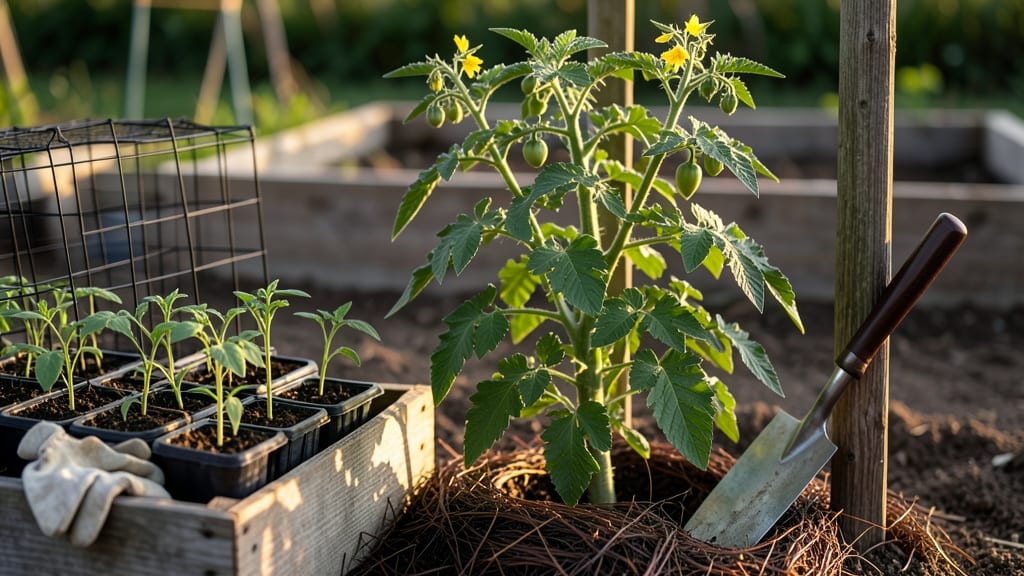
When should you plant tomatoes in Ohio? Timing your 🍅 tomato planting isn't just about the calendar—it's about dodging frost, warming soil, and giving your plants the perfect head start. Get it wrong, and you might end up with sad, stunted plants or a harvest that never arrives. The key? Planting after the last frost but before the heat of summer sets in, ideally between April 15 and May 15.
Ohio's 6a-6b climate means you've got a short window to get those seedlings in the ground before the weather turns against you. Whether you're starting with transplants or seeds, understanding soil temperatures and regional microclimates can make all the difference.
Let me walk you through the exact steps to ensure your tomatoes thrive from seedling to harvest.
You might be wondering if you should rush to plant early or wait until the last possible moment. The truth is, tomatoes need warmth to grow, and Ohio's unpredictable spring weather can throw a wrench in your plans.
I'll share the best strategies for choosing the right varieties, protecting your plants from late frosts, and even extending your growing season for a longer harvest.
By the end of this guide, you'll know exactly when to plant your tomatoes, how to prepare your soil, and which varieties will do best in Ohio's climate. Let's get those plants in the ground and set you up for a summer full of juicy, homegrown tomatoes!
Ohio’s ideal tomato planting timeline: exact dates by region
Ohio’s diverse climate means your tomato planting window depends heavily on whether you’re in Northern or Southern Ohio. While the Buckeye State enjoys 165 frost-free days, late spring frosts can still sneak in—especially in Zone 6a areas like Toledo or Youngstown.
The key is waiting until soil temperatures hit 60°F and nighttime lows stay above 50°F.
For Southern Ohio (Columbus, Cincinnati, Dayton), the last average frost date falls around April 15, giving you a 2-week window to transplant seedlings outdoors. In Northern Ohio (Cleveland, Akron, Toledo), wait until May 1—the safe bet—to avoid late frost damage that can kill tender tomato plants.
Here’s the actionable timeline for 2025 planting:
| Region | Last Frost Date | Ideal Transplant Window | Soil Temp Requirement |
|---|---|---|---|
| Southern Ohio (Columbus, Cincinnati) | April 15 | April 22 – May 5 | 60°F+ |
| Northern Ohio (Cleveland, Toledo) | May 1 | May 8 – May 22 | 60°F+ |
| All Regions (Indoor Starts) | N/A | March 1 – March 15 (6-8 weeks before last frost) | 70°F+ (grow lights) |
If you’re starting seeds indoors, begin 6-8 weeks before your region’s last frost date. For Southern Ohio, that’s March 1–15; for Northern Ohio, aim for March 15–30.
Use grow lights to ensure seedlings get 12–16 hours of light daily—natural sunlight alone won’t cut it this early.
Pro tip: Hardening off seedlings is non-negotiable. Acclimate them to outdoor conditions 7–10 days before transplanting by gradually increasing their time outside. Start with 1–2 hours in partial shade, then ramp up to full sun over the week.
Skip this step, and your plants will bolt (send up flowers too quickly) or wilt from shock.
For container gardening, plant 1–2 weeks later than in-ground tomatoes. Pots heat up faster and can scorch roots when soil temps spike. Use black fabric pots to absorb heat or place containers in partial shade during midday heatwaves (common in Ohio’s July–August).
Ohio’s humidity and variable weather demand extra vigilance. After transplanting, mulch heavily with straw or shredded leaves to keep soil cool and moist. This prevents blossom end rot, a common tomato woe caused by calcium uptake issues from uneven moisture.
Don’t forget: Succession planting can stretch your harvest. After your first transplant window closes, sow a second batch of seeds indoors June 1–15 for a late-summer crop. Use fast-maturing varieties like ‘Early Girl’ (60 days) or ‘Stupice’ (70 days) to beat Ohio’s first frost around October 15.
Track your local microclimate for precision. Urban areas like Columbus can be 5–10°F warmer than rural zones, while lake-effect zones (near Lake Erie) may have cooler nights. Use a soil thermometer ($10 at garden centers) to confirm 60°F+ soil temps before planting—cold soil stunts root growth.
Remember: Patience pays off. Rushing to plant before May 1 in Northern Ohio risks frost damage, while waiting too long (after June 1) may leave you with small, underripe tomatoes.
Stick to these region-specific windows, and you’ll enjoy juicy, vine-ripened tomatoes from July through October.
Choosing heat-loving tomato varieties for Ohio’s climate
Ohio’s climate—with its hot summers and cool springs—demands tomato varieties that thrive in both extremes. Heat-loving types like ‘Celebrity’ or ‘Better Boy’ handle Ohio’s 85°F+ days without wilting, while cold-tolerant picks like ‘Stupice’ survive early 50°F nights. The right choice depends on your planting window and microclimate.
Indeterminate varieties (like ‘Sungold’) produce all summer but need staking or cages to support their 6-foot vines. Determinate types (like ‘Roma’) grow compactly, ideal for container gardens or small spaces.
Ohio’s short growing season (just 165 frost-free days) favors fast-maturing hybrids, such as ‘Early Girl’ (60 days to harvest).
For northern Ohio, prioritize early-maturing or cold-hardy varieties like ‘Mountain Merit’, which tolerates 45°F nights. Southern Ohio gardeners can push the envelope with heat-resistant types like ‘Heatmaster’, which thrives in 90°F+ heat without cracking.
Always check seed packets for days-to-maturity and align them with your last frost date.
Indeterminate vs. Determinate Tomatoes for Ohio
Indeterminate
- Pros: Produces fruit all season
- Cons: Needs staking, vulnerable to late blight
Determinate
- Pros: Compact, great for containers, all fruit at once
- Cons: Shorter harvest window
Ohio’s humid summers also favor disease-resistant varieties like ‘Defiant PhR’, which resists verticillium wilt and fusarium. If you’re starting seeds indoors (4–6 weeks before last frost), opt for fast growers like ‘Patio Princess’ (50 days).
For direct sowing, choose ‘Big Beef’—its heat tolerance ensures fruit even in July heatwaves.
Don’t overlook cherry tomatoes like ‘Sweet Million’, which ripen quickly and thrive in partial shade if Ohio’s afternoon sun becomes too intense. Pair them with heat-tolerant basil to repel pests naturally. Always rotate crops yearly to prevent soil-borne diseases, a critical step for Ohio’s heavy clay soils.
Test soil pH (6.0–6.8) before planting—Ohio’s limestone-rich soil often needs sulfur amendments to lower pH. Mix in compost for nutrient-rich soil, and use mulch to retain moisture during drought-prone July. With the right variety and prep, Ohio’s 90-day growing season can yield 20+ pounds of tomatoes per plant!