
Plants
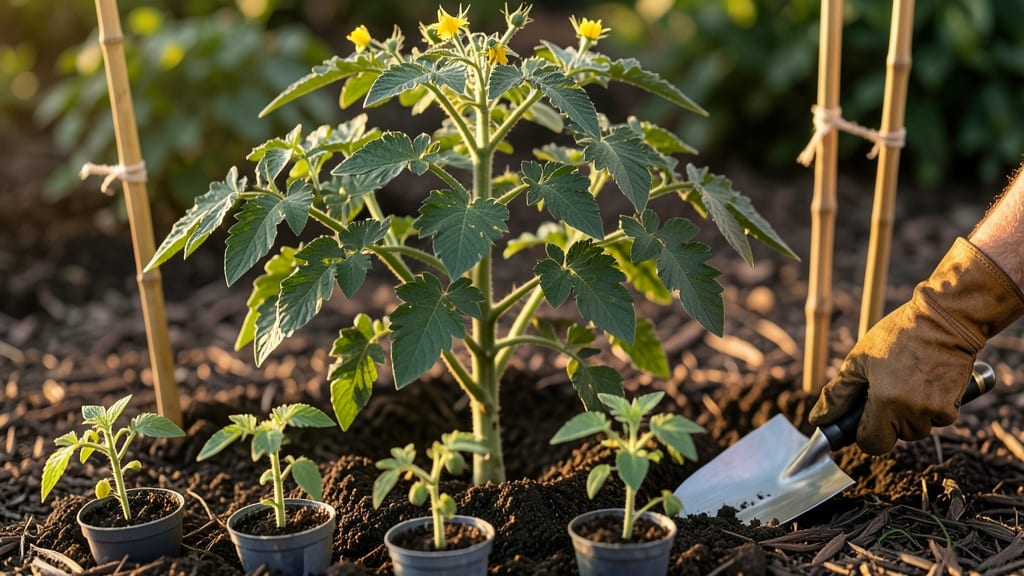
The perfect time to plant tomatoes in NC can make or break your harvest—get it wrong, and those juicy 🍅 dreams might never ripen. With North Carolina’s varied climate zones (from the Coastal Plain’s humidity to the Mountains’ cooler nights), timing isn’t one-size-fits-all.
Whether you’re transplanting seedlings or starting seeds indoors, knowing your last frost date and soil temperature is the key to success.
For most of NC’s 7a-8b zones, the ideal window for transplanting is between April 15 and June 1, but coastal areas can start as early as March 15 if you’re brave.
The secret? Waiting until soil hits 60°F—cold roots mean stunted plants. I’ll show you exactly how to adjust for your microclimate, so you’re planting at peak readiness.
Heat-tolerant varieties like ‘Solar Fire’ or ‘Celebrity’ thrive in NC’s summer swelter, but even the toughest tomato needs the right start. We’ll cover when to begin seeds indoors (hint: March 15 is your cutoff) and how to protect young plants from late spring frosts.
No more guessing—just data-driven timing for a bountiful harvest.
Ready to turn your garden into a 🍅 powerhouse? Let’s dive into the exact dates, varieties, and pro tips that’ll have your tomatoes flourishing from June to October—no matter where you are in the state.
North Carolina frost dates & ideal tomato planting windows by region
North Carolina’s diverse climate—from the cooler mountains to the humid coastal plains—means your tomato planting window depends heavily on your region. Getting this right ensures your plants thrive, not just survive.
Let’s break down the frost-free dates and soil temperature requirements for each NC region so you can plant with confidence.
In Western NC (USDA Zones 6b-7a), like Asheville, frosts linger until mid-April, while the Piedmont (Zones 7a-7b), including Raleigh, typically sees its last frost around mid-to-late April.
Meanwhile, the Coastal Plain (Zones 7b-8a), such as Wilmington, enjoys frost-free conditions by early-to-mid March. These variations mean your transplant timing could differ by weeks!
Here’s the critical rule: Wait until the soil temperature reaches at least 60°F and all frost risk has passed. Cold soil stunts root growth, leaving your plants vulnerable to disease. Use a soil thermometer to check—it’s the best way to avoid costly mistakes.
For determinate varieties (bush tomatoes that ripen all at once), aim to transplant 2-3 weeks after your last frost date. Indeterminate varieties (vining types that produce continuously) need a longer growing season—plant them 3-4 weeks before the last frost if you’re in a warmer zone like the coast.
If you’re starting seeds indoors, begin 6-8 weeks before your last frost date. For most of NC, this means mid-March to early April. Use grow lights to prevent leggy seedlings—natural light alone won’t cut it in early spring.
Pro tip: Black plastic mulch warms soil faster and can push your planting window 2-3 weeks earlier. Lay it down 2 weeks before transplanting to give your soil a head start. It also suppresses weeds and retains moisture—win-win for busy gardeners!
For late-season varieties or areas with shorter growing seasons (like higher elevations), consider fast-maturing hybrids like 'Early Girl' or 'Patio Princess'. These can go from seed to harvest in as few as 55 days, giving you a second chance if your first planting gets nipped by frost.
Always check your local Cooperative Extension Service for microclimate adjustments. A valley might frost later than a hilltop, and urban areas can be 5-10°F warmer than rural spots. When in doubt, err on the side of waiting—your tomatoes will thank you with bigger, healthier fruit.
🌱
Heat-tolerant tomato varieties that thrive in NC’s summer heat
North Carolina’s summer heat can turn tomato plants into wilting messes if you’re not growing the right varieties. The key is selecting heat-tolerant tomatoes that handle 90°F+ temperatures without losing productivity. My top picks focus on disease resistance and consistent fruiting—critical traits for NC’s humid climate.
For early-season planting (April-May), prioritize varieties like ‘Celebrity’ or ‘Better Boy’, which mature quickly (60-70 days) and handle heat better than standard types. These are my go-to indeterminate varieties for vining plants that produce fruit all season long.
🌱 Visual Tip: Look for deep green leaves and thick stems when selecting seedlings—these traits signal better heat resilience.
Top NC Tomato Varieties by Heat Tolerance
| Variety | Heat Tolerance (1-5) | Disease Resistance | Days to Maturity | Best For |
|---|---|---|---|---|
| Solar Fire | 5 | ⭐⭐⭐⭐ | 70 | Late-season heat |
| Heatmaster | 5 | ⭐⭐⭐⭐⭐ | 75 | Extreme heat |
| Celebrity | 4 | ⭐⭐⭐⭐ | 65 | Early harvests |
| Mountain Merit | 4 | ⭐⭐⭐⭐⭐ | 70 | Humid climates |
| Arkansas Traveler | 4 | ⭐⭐⭐⭐ | 80 | Large fruit |
If you’re in Western NC’s cooler microclimates (like the mountains), opt for ‘Mountain Merit’—it thrives in USDA Zone 7a and resists cracking from sudden rain. For Coastal Plain areas, ‘Solar Fire’ is unbeatable in Zone 8a because it keeps producing even when temps hit 95°F+.
💡 Pro Tip: Avoid ‘Early Girl’ unless you’re planting in late April or May—it bolts in heat. Instead, pair heat-tolerant varieties with shade cloth (30-50%) during peak afternoon sun to protect blossoms from dropping.
For container gardening in NC, ‘Tiny Tim’ (dwarf variety) and ‘Patio’ are my favorites—they handle heat well and fit 5-gallon pots perfectly. Just ensure pots have drainage holes and use lightweight potting mix to prevent overheating.