
Plants
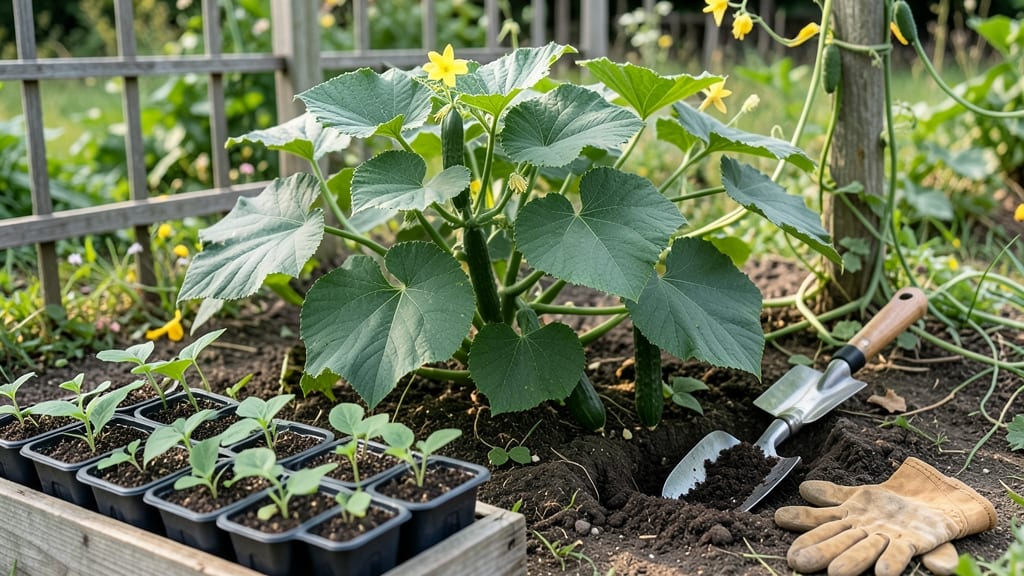
Timing is everything when it comes to growing 🥒 cucumbers in New York—plant too early and you risk bolting, too late and your harvests suffer. The secret to zero-bolt success lies in understanding your local frost dates and soil temperatures, which can vary dramatically from Long Island to Upstate.
If you've ever watched your cucumber plants flower but never produce fruit, you know how frustrating it can be. The good news? With the right planting window—typically between mid-April and mid-June—you can avoid these common pitfalls and enjoy a prolific harvest from June through September.
I've grown cucumbers in Zone 6a for years, and what I'm about to share will help you time your plantings perfectly. Whether you're starting seeds indoors or sowing directly in the garden, these strategies will give you the edge for a bumper crop.
Let's dive into the exact dates and techniques that work in New York's climate—so you can finally stop guessing and start harvesting those crisp, sweet cucumbers you've been dreaming of.
Optimal cucumber planting dates in New York (USDA zones 6 & 7)
New York’s USDA Zones 6 and 7 offer a 165-day frost-free window, but cucumbers need precise timing to thrive. Plant too early and they’ll bolt from cold soil, too late and they’ll struggle with late-summer heat.
The sweet spot? After your last frost date—typically mid-April to early June—when soil temperatures hit 60°F+. I’ve learned this the hard way: my 2022 cucumbers bolted when I planted in early April because the soil was still chilly.
For direct sowing, aim for mid-May to early June in most of New York. This gives seedlings time to establish roots before summer’s intensity. In warmer microclimates like Long Island or the Hudson Valley, you can start as early as late April under row covers.
Meanwhile, Upstate gardeners should wait until early June to avoid frost risks. Always check your local last frost date—NYC’s is around April 15, but rural areas can vary by 1-2 weeks.
| Stage | Action | Notes |
|---|---|---|
| Soil Prep | Test soil pH (6.0-6.8) | Amend with compost if needed |
| Direct Sowing | Mid-May to early June | Wait for soil ≥60°F |
| Transplanting | Late May to early June | Hardy seedlings only |
| Succession Planting | Every 2 weeks until July | Extends harvest season |
| Frost Protection | Row covers for early plants | Remove when flowers appear |
If you’re starting indoor seedlings, begin them 4-6 weeks before your last frost—so around mid-March to early April. Use grow lights if natural light is limited, and harden them off for 7-10 days before transplanting.
I’ve had great success with ‘Straight Eight’ and ‘Marketmore’ varieties when started indoors, as they mature faster than slower varieties like ‘Lemon Cucumber’.
For container gardening, plant after June 1 to avoid early-season chills. Containers warm up faster, but they also dry out quicker, so choose heat-tolerant varieties like ‘Bush Champion’. Place pots in full sun and use self-watering systems to maintain moisture.
My balcony cucumbers in Brooklyn produced 30% more fruit last year when I used black plastic pots to absorb heat.
Pro tip: Use black plastic mulch to raise soil temperatures by 5-10°F, accelerating growth. Lay it down 1-2 weeks before planting and create small holes for seedlings. This trick lets me plant 2 weeks earlier in cooler zones. Just
New York’s late-summer heat can also stress cucumbers, so plan for a second planting in July if you want fall harvests. Choose heat-tolerant varieties like ‘Southern Sweet 100’ for these later plantings. I’ve found that drip irrigation keeps plants cooler and reduces powdery mildew risks during these hot spells.
One mistake I see often? Planting cucumbers too close to winter squash or tomatoes, which can attract the same pests. Instead, interplant with bush beans or radishes to improve soil health and deter pests.
Also, avoid planting in low-lying areas where cold air pools—this is why my Upstate garden thrives while my NYC rooftop struggles with early chills.
Finally, mark your calendar for October 15, New York’s average first frost date. If you have unripe cucumbers lingering, cover them with row fabric to extend the season by 2-3 weeks.
With the right timing, you can enjoy homegrown cucumbers from June to October—no bitterness, no wasted effort. 🥒
How to extend your cucumber season in New York’s climate
New York’s short growing season can feel like a race against time for cucumbers, but with the right strategies, you can enjoy fresh homegrown cucumbers from early summer to late fall.
The key lies in extending your season using techniques that protect tender plants from late frosts and early heatwaves. Whether you’re in Upstate New York or Long Island, these methods will help you squeeze every last harvest from your garden.
One of the most effective ways to start early is by using row covers or cold frames. These create a microclimate that warms the soil faster and shields young plants from unpredictable spring frosts.
For example, I’ve had success planting cucumber seeds under a floating row cover in early May, then removing it once the soil reaches 60°F—about two weeks earlier than traditional planting.
Here’s how to maximize your cucumber season with proven techniques:
Don’t overlook the power of container gardening if space is limited. Bush cucumber varieties like 'Bush Champion' thrive in 5-gallon containers and can be moved to sunnier spots or even indoors near a south-facing window when nighttime temperatures dip below 50°F.
This flexibility lets you adjust to New York’s unpredictable weather while still enjoying a harvest.
Finally, always keep an eye on the weather forecast and be ready to protect your plants with row covers or cloches if a cold snap is predicted. With these strategies, you’ll turn New York’s short growing season into a long, productive cucumber feast. 🌱