
Plants
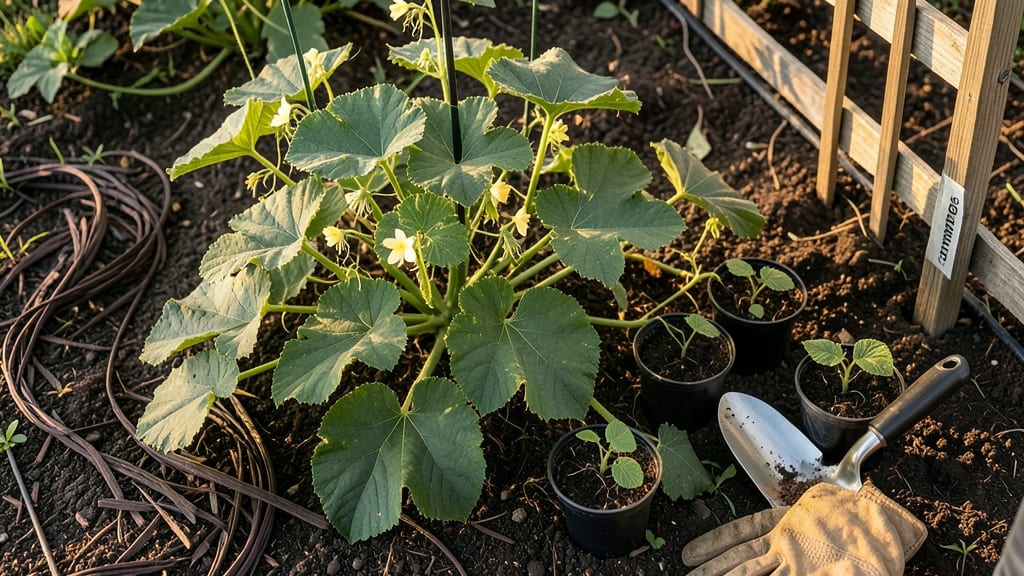
NC hardiness zones & ideal cucumber planting dates by region
North Carolina spans USDA Zones 7a through 8b, and your cucumber planting success hinges on knowing your specific zone’s last frost date and soil temperature thresholds.
In Zone 7a (Western NC), cucumbers thrive when planted after April 15, while Zone 8b (Coastal NC) gardeners can start as early as March 15 for longer growing seasons. The key? Soil must reach at least 60°F—cold soil triggers bolting (premature flowering).
Use a soil thermometer to confirm readiness. In the Piedmont region (Zone 7b), aim for May 1 plantings to avoid late frosts. Coastal areas like Wilmington (Zone 8a) can start two weeks earlier, thanks to milder winters.
Always check your local Cooperative Extension Service for hyper-local frost data—it varies even within counties.
For container gardening, warm soil faster by planting in black pots or using heat mats.
Containers also let you extend the season by moving pots to sunny patios or greenhouses when nighttime temps dip below 50°F. This trick works especially well in Mountain regions (Zone 7a), where cooler nights are common.
Here’s a quick zone-by-zone breakdown of ideal planting windows, soil prep, and heat-tolerant varieties to prioritize:
| Zone & Region | Last Frost Date | Ideal Planting Window | Soil Temp Threshold | Top Variety |
|---|---|---|---|---|
| 7a (Mountains: Asheville) | April 15 | May 1–May 15 | 60°F+ | ‘Straight Eight’ (heat-tolerant) |
| 7b (Piedmont: Raleigh) | March 30 | April 15–April 30 | 60°F+ | ‘Marketmore 76’ (disease-resistant) |
| 8a (Coastal Plain: Fayetteville) | March 15 | March 30–April 15 | 55°F+ | ‘Southern Sweet 100’ (early producer) |
| 8b (Coastal: Wilmington) | February 28 | March 15–March 30 | 55°F+ | ‘Arkansas Little Leaf’ (compact) |
Pro tip: In Zone 7a, use row covers to warm soil faster and protect seedlings from late frosts. Remove covers once soil hits 60°F to prevent overheating. For Coastal NC (Zones 8a–8b), consider succession planting every 2 weeks from March through June to stretch your harvest into October.
If you’re in Western NC, opt for bush varieties like ‘Bush Champion’ to save space and reduce trellis needs. These varieties also bolt less in the high-altitude heat of the Mountains. Pair them with mulch to retain moisture and cool roots during 90°F+ days.
For fall plantings, aim to sow seeds by July 15 in all zones. Cucumbers need 55–70 days to mature, so count backward from your first frost date. In Zone 8b, you might squeeze in a second fall crop by planting ‘Diva’ hybrid (disease-resistant) around August 1.
Always harden off seedlings for 7–10 days before transplanting. Move pots outside during the day and bring them in at night to acclimate. This step is critical in NC’s variable spring weather, where temps can swing from 40°F to 80°F in a single week.
🌱
How to avoid cucumber bolting: soil, heat, and seedling tricks for NC gardeners
North Carolina’s spring can swing from chilly nights to scorching afternoons in weeks, and cucumbers hate this unpredictability. Bolting—when plants flower prematurely—is your worst enemy, turning potential harvests into bitter, seedy cucumbers. The key? Control the heat and prep the soil like a pro.
Start by testing your soil’s warmth. Cucumbers need 60°F+ soil to germinate, but if it’s too hot (90°F+), they bolt. Use a soil thermometer in the morning—April 15–May 1 is your sweet spot for most of NC.
In Zone 8b (southern NC), you can push to March 20 if you use black plastic mulch to warm the soil faster.
Planting too early (before last frost) or in cold soil stunts growth, while sudden heat spikes (common in Piedmont) trigger bolting. Use shade cloth (30–50%) for seedlings if temps hit 85°F+ before hardening off.
🌡️ Critical Thresholds: Soil: 60°F+ | Air: 70°F+ | Avoid: 90°F+ for seedlings
For seedlings, harden them gradually over 7–10 days. Move them to a shady spot during the day, then partial sun by day 5. Skip the full sun until they’ve developed 4–6 true leaves.
Pro tip: Plant in containers if your yard has hot microclimates—they’re easier to move to cooler spots.
Choose bolt-resistant varieties like ‘Southern Sweet 100’ (heat-tolerant) or ‘Straight Eight’ (disease-resistant). Avoid ‘Lemon Cucumber’—it’s gorgeous but bolts faster. Pair with trellises to improve airflow; crowded plants overheat and bolt. Space seeds 12 inches apart in rows 3 feet apart to prevent competition.
Water deeply in the morning to keep roots cool. Avoid wetting leaves—this invites powdery mildew, which weakens plants and increases bolting risk. Use drip irrigation or soaker hoses to deliver 1–2 inches of water weekly.
Mulch with straw or grass clippings to retain moisture and stabilize soil temps.
Watch for stress signs: yellowing leaves, rapid vine growth, or flowers appearing before 6 inches of vine. If you see these, prune the flowers immediately—the plant will redirect energy to leaves and roots.
For late-season plantings (after June 15), opt for short-day varieties like ‘Arkansas Little Leaf’, which bolt less in NC’s summer heat.