
Plants
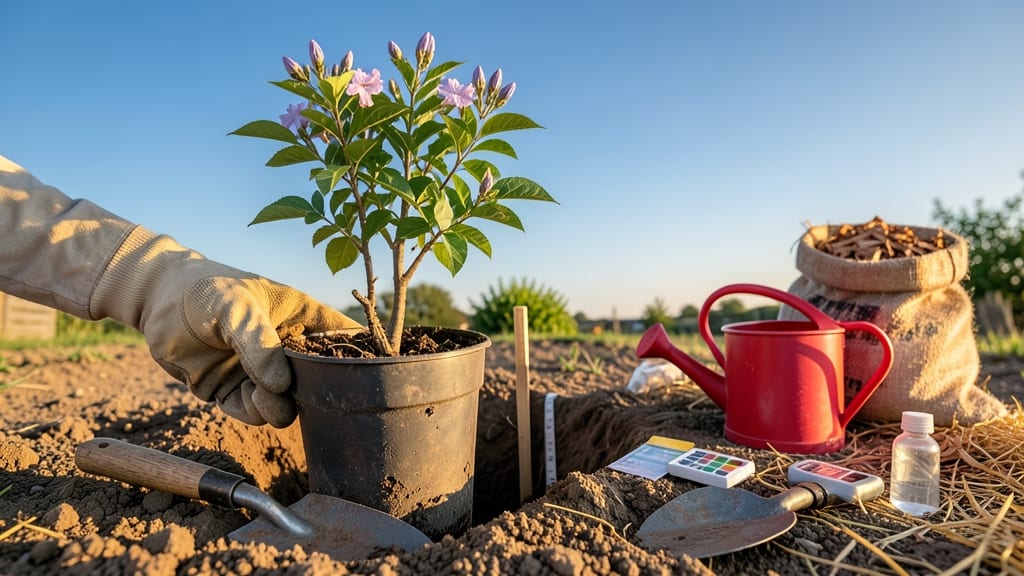
Timing your Crepe Myrtle 🌸 planting in Oklahoma can mean the difference between a thriving tree and one struggling to survive the first frost. With Oklahoma's 6a-7b climate, getting those roots established before winter is absolutely critical—so let’s cut to the chase on when to plant for maximum success.
Most gardeners in Oklahoma swear by late March to May as the sweet spot, when soil temperatures finally climb above 60°F and the threat of frost has passed.
But here’s the catch: if you’re in northern Oklahoma, you might need to wait until early May, while southern regions can start as early as late March. I’ll break down exactly how to read your local frost dates and adjust your planting schedule accordingly.
You might be tempted to plant in early spring or even fall, but those windows come with risks—like stunted growth or winter dieback. The key is giving your Crepe Myrtle enough time to develop strong roots before the first freeze hits around November 15.
I’ll share my top tips for preparing the soil, choosing between container-grown or bare-root plants, and the post-planting care routine that keeps your tree thriving.
Whether you’re a first-time gardener or a seasoned landscaper, getting this right ensures your Crepe Myrtle will reward you with stunning blooms for years to come. Let’s dive into the exact steps to plant at the perfect time for Oklahoma’s climate.
Best months to plant crepe myrtles in Oklahoma for maximum root establishment
Oklahoma’s variable climate—from northern frost pockets to southern heat waves—means crepe myrtle planting timing is everything. The ideal window is late March through May, when soil warms to 60°F (15°C) and frost risk fades. This gives roots 6-8 weeks to establish before summer’s peak heat.
For northern Oklahoma (USDA zones 6b-7a), aim for April planting to avoid late frosts. In southern Oklahoma (zones 7b-8a), March planting works—just monitor soil moisture closely during dry spells. Fall planting is risky unless you’re in zone 8a with mild winters.
Soil temperature is your best guide: Use a soil thermometer to confirm 60°F+ before planting. Cold soil slows root growth, leaving young trees vulnerable to transplant shock. In Oklahoma City, average last frost is March 15, but rural areas can lag 2-3 weeks later.
| Planting Window | Best For | Soil Temp | Frost Risk |
|---|---|---|---|
| Late March | Southern OK (Zones 7b-8a) | 60°F+ | Low |
| April | Central/Northern OK (Zones 6b-7a) | 60°F+ | Moderate |
| May | All regions (safe backup) | 65°F+ | None |
| Fall (Late Sept) | Zone 8a only | 60°F+ | High (risky) |
Bare-root crepe myrtles can handle spring planting better than container-grown ones, which need extra moisture during transplant. Soak container roots for 10-15 minutes before planting to reduce shock. For bare-root trees, trim roots 1 inch if pot-bound to encourage new growth.
Mulch heavily (3-4 inches) with wood chips or pine straw to retain moisture and regulate soil temps. Avoid fresh grass clippings, which can mat and suffocate roots. In drought-prone areas like western Oklahoma, drip irrigation for the first 30 days is a game-changer.
Crepe myrtles planted in June or later often struggle to establish before winter, leading to weak root systems and poor bloom production the next year. If you miss spring, wait until next spring—rushing leads to transplant shock and fungal issues from prolonged stress.
For container planting, use a 5-gallon pot minimum with fast-draining mix (60% soil, 30% perlite, 10% compost). Move containers indoors or to a garage if temps drop below 32°F. However, crepe myrtles thrive outdoors and aren’t ideal for long-term container life.
Test your soil’s pH (6.0-7.0 ideal) and drainage before planting. Amend heavy clay with sand or compost to prevent root rot. In alkaline soils (common in Oklahoma), add sulfur to lower pH gradually. A soil test kit ($15) saves guesswork.
After planting, water deeply 2-3 times weekly for the first month, then taper to weekly deep soaks. Avoid shallow watering, which encourages weak roots. Use a moisture meter to check soil depth—top 6 inches should stay consistently moist.
How Oklahoma’s climate affects crepe myrtle planting success (frost zones 6b-8a)
Oklahoma’s diverse climate—from the humid southeast to the drier panhandle—creates microclimates that shift last-frost dates by weeks. In Tulsa (Zone 7a), average last frost arrives March 15, while Oklahoma City (Zone 7b) sees it March 20.
Rural areas like Altus (Zone 7b) can delay until April 1, so always check local frost-free date forecasts before planting.
Soil warmth is critical—crepe myrtles need 60°F (15°C) soil temps to thrive. Use a soil thermometer to confirm readiness; in northern Oklahoma, this may not happen until mid-April.
Southern regions like Lawton (Zone 7b) often hit this mark by late March, giving you a 2-week head start for root establishment.
Humidity also plays a role: Southeastern Oklahoma’s higher moisture can lead to fungal risks if planted too early. Wait until after the last frost and ensure well-draining soil to prevent root rot. In drier western regions, watering consistency becomes the bigger challenge—mulch heavily to retain moisture.
Here’s how to adjust your planting timeline based on Oklahoma’s regions:
Transplant shock is the biggest risk when planting outside the ideal window. If you miss spring, fall planting is your next best option—but stop by October 1 to allow 6–8 weeks of root growth before first frost.
Avoid planting in late fall; young roots won’t harden off in time, leading to winter dieback.
Pro tip: Amend your planting hole with compost and a slow-release fertilizer (like 10-10-10) to give roots a nutrient boost. Water deeply immediately after planting and maintain 1–2 inches of mulch to regulate soil temperature. This prep work compensates for Oklahoma’s unpredictable spring and ensures your crepe myrtle starts strong.
🌡️