
Plants
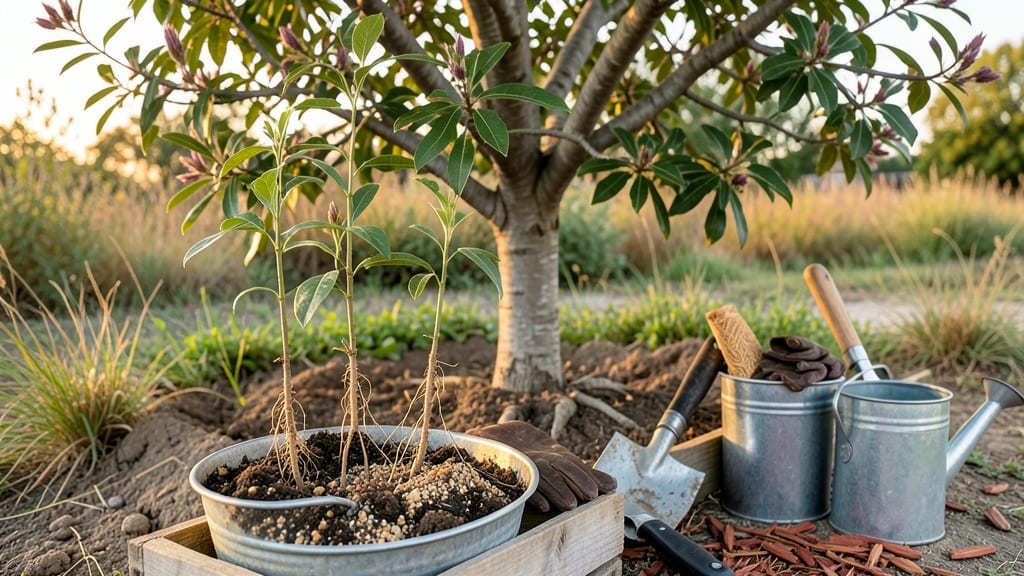
Planting crape myrtles at the wrong time in Oklahoma can mean the difference between a stunning 🌸 crape myrtle that thrives for decades and one that struggles just to survive. With Oklahoma's diverse climate zones—ranging from 6b to 8a—timing isn't just important; it's everything.
Most gardeners assume spring is the only window, but in Oklahoma, fall planting can actually give your tree a head start. The key is understanding when the soil warms up and when those pesky late frosts have passed.
I'll break down the exact months that work best for your specific zone, so you can plant with confidence.
Whether you're working with bare-root saplings or container-grown specimens, the right timing ensures strong root growth before summer heat sets in. Let me show you how to avoid common mistakes and give your crape myrtle the best possible start in Oklahoma's challenging climate.
From soil temperature thresholds to adjusting for local microclimates, you'll discover the precise window that works for your yard. Ready to plant with precision? Let's get started.
Oklahoma planting zones: when to plant crape myrtles by month (with hardiness maps)
Oklahoma spans USDA zones 6b through 8a, meaning the best time to plant crape myrtles varies by region. In northern zones (6b-7a), like Tulsa or Oklahoma City, aim for late April to early May to avoid late frosts.
Meanwhile, southern Oklahoma (7b-8a), such as Lawton or Ardmore, can plant as early as mid-March or even late February in mild winters.
Crape myrtles thrive when planted after the last average frost date, which typically falls between March 15 and April 15 across Oklahoma. However, soil temperature is just as critical—roots need warmth above 60°F to establish properly. Fall planting (September–October) is also ideal, giving roots time to settle before winter.
For container-grown crape myrtles, you can plant 2–4 weeks earlier than bare-root varieties since their roots are already established. This flexibility helps northern gardeners start in early April instead of waiting for May. Always check local frost data—your Oklahoma County Extension office has updated maps for precise timing.
| USDA Zone | Best Planting Months | Soil Temp Threshold | Key Consideration |
|---|---|---|---|
| 6b (Northern OK) | Late April–Early May | 60°F+ | Wait for frost-free window |
| 7a (Central OK) | Mid-April–Early May | 55°F+ | Avoid late April frosts |
| 7b (Southern OK) | Late March–April | 50°F+ | Early start possible |
| 8a (Southwest OK) | Mid-February–March | 45°F+ | Mild winters allow early planting |
| Fall Planting (All Zones) | September–October | 55°F+ | 6–8 weeks before first frost |
In southern Oklahoma (zones 7b–8a), you can push planting to February or even January for container-grown crape myrtles, as long as soil isn’t frozen. However, bare-root plants need warmer soil, so wait until March in these areas.
Always mulch heavily after planting to retain moisture and protect roots from temperature swings.
Fall planting is often underutilized but ideal for Oklahoma’s climate. By planting in September or October, crape myrtles establish roots before winter dormancy. Aim to finish by 6–8 weeks before your first frost—typically mid-October in northern OK and early November in the south.
This method reduces transplant shock and boosts survival rates.
For urban gardeners in Oklahoma City or Tulsa, microclimates matter. Areas near concrete or pavement can be 5–10°F warmer than rural zones, allowing slightly earlier planting. Use a soil thermometer to confirm 60°F+ soil temps before planting—this is more reliable than calendar dates alone.
If you’re unsure about your zone, use the USDA Plant Hardiness Zone Map or check with your local Oklahoma County Extension office for hyper-local advice. They can provide frost-free date averages tailored to your specific neighborhood, ensuring your crape myrtle gets the best possible start.
Remember: Root establishment takes 4–6 weeks after planting. Rushing the process in cold soil can lead to weak roots and poor blooming the following summer. Patience pays off with healthier, more vibrant crape myrtles that thrive for decades.
5 Critical factors that determine the best planting window in Oklahoma
Timing isn’t just about the calendar—it’s about soil temperature, rainfall patterns, and even humidity levels in Oklahoma. These factors can shift your ideal planting window by weeks, especially when comparing container-grown vs. bare-root crape myrtles. Let’s break down what truly matters for your tree’s success.
First, soil warmth is non-negotiable. Crape myrtles need soil temps of at least 60°F to establish roots. In northern Oklahoma (Zone 6b), this usually means waiting until mid-April, while southern zones (7a-8a) can plant as early as late March. A soil thermometer is your best friend here—don’t guess!
Next, consider rainfall and humidity. Oklahoma’s spring can be unpredictable, with sudden downpours or prolonged dry spells. Planting during consistent moisture (like late April or early May) helps roots anchor before summer heat sets in. Avoid planting during peak humidity (June-August), which can encourage fungal diseases.
Container-grown crape myrtles deserve special attention. Their roots are already established, so you can plant them 2-3 weeks earlier than bare-root varieties. This flexibility means container plants might thrive in early April in southern Oklahoma, while bare-root trees should wait until mid-April.
Don’t overlook local microclimates. A spot near a lake or in a urban heat island can be 5-10°F warmer than your general zone suggests. Test your soil and observe nearby plants—if azaleas bloom early, your microclimate might be warmer than the official zone map.
Finally, avoid planting during extreme weather. Oklahoma’s spring can bring late frosts (even in May), and summer’s intense heat can stress young roots. Aim for mild, stable conditions—think "goldilocks weather"—to give your crape myrtle the best start possible.
🌱
- 🌡️ Soil Temperature: Wait for 60°F+ soil (mid-April in north, late March in south).
- ☔ Rainfall Timing: Plant during consistent moisture (avoid drought or downpours).
- 🌿 Container vs. Bare-Root: Containers plant 2-3 weeks earlier than bare-root.
- 📍 Microclimates: Urban areas/lakes can be 5-10°F warmer than zone maps.
- 🌤️ Avoid Extremes: Skip planting during late frosts or peak summer heat.
Pro tip: If you’re unsure about your exact planting window, use mulch to regulate soil temperature. A 2-3 inch layer of organic mulch can warm soil faster in spring or protect roots from summer heat—giving you a little extra flexibility with timing.
By paying attention to these five critical factors, you’ll avoid common pitfalls and give your crape myrtle the strongest possible start. The right timing isn’t just about the month—it’s about creating the perfect conditions for root growth from day one.