
Plants
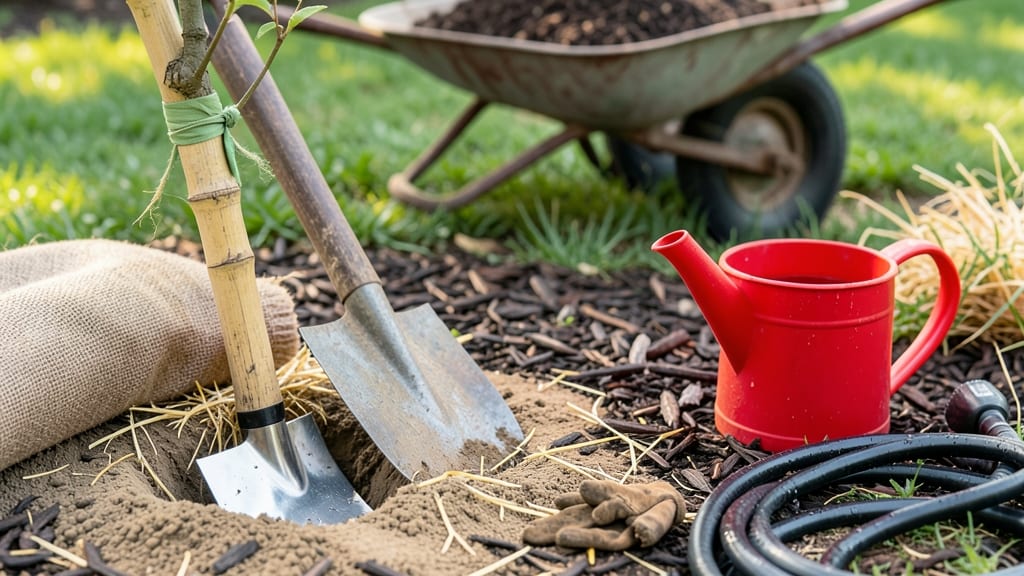
Colorado’s ideal tree planting seasons: spring vs fall science for root establishment
Colorado’s variable climate—from high-altitude dryness to sudden temperature swings—makes timing critical for tree survival. The best windows are early spring (March–April) and fall (September–October), when soil temperatures are ideal for root growth. USDA zones 5–7 across the state mean your elevation (and microclimate) dictates the exact window.
Spring planting lets roots establish before summer droughts, while fall planting avoids heat stress and gives trees time to harden off before winter. Front Range areas (Denver/Boulder) have later frost dates than Western Slope (Aspen/Grand Junction) or Eastern Plains (Fort Collins/Lamar), so adjust accordingly.
For example, bare-root trees planted in March can outpace container-grown trees by 30% in root development.
Soil temperature is the key factor. Roots need 45–60°F soil temps to grow actively. In Colorado, this typically aligns with March–April for spring and September–October for fall.
Use a soil thermometer to confirm—planting when temps dip below 40°F risks shock, even in hardy species like quaking aspen or Ponderosa pine.
Fall planting has a 6–8 week window before frost. Aim to finish by October 15 in most regions, or mid-September at higher elevations (e.g., 10,000+ ft).
Trees planted in fall benefit from winter moisture and emerge stronger in spring. However, avoid planting after the first frost—roots need time to knit before dormancy.
Container-grown trees offer flexibility year-round, but extreme heat (>90°F) or frost risk (below 20°F) are dealbreakers. Bare-root trees, however, must be planted dormant—either late fall (November) or early spring (February). Never plant bare-root in summer; they’ll dry out before roots establish.
Microclimates matter. The Front Range (Denver metro) has longer frost-free seasons (120–150 days), while the Western Slope (Grand Junction) can have 180+ days. Eastern Plains (e.g., Lamar) often see earlier frosts due to lower elevations. Check your local CoCoRaHS station for precise frost dates—Colorado’s 10,000-foot elevation swings create huge variations even miles apart.
Watering strategies differ by season. Spring-planted trees need deep, weekly watering until roots spread (typically 6–12 inches deep by summer). Fall-planted trees require bi-weekly watering until soil freezes. Mulch 3–4 inches deep (wood chips or straw) to retain moisture and regulate soil temps—critical in Colorado’s dry, windy conditions.
| Factor | Spring Planting (March–April) | Fall Planting (September–October) |
|---|---|---|
| Root Growth Window | 6–8 weeks before summer drought | 6–8 weeks before frost |
| Soil Temp Ideal | 45–60°F (March–April) | 50–65°F (September–October) |
| Watering Needs | Deep weekly (10–15 gal/tree) | Bi-weekly (reduce in November) |
| Best For Species | Fast growers (willow, cottonwood) | Slow growers (pine, oak, fruit trees) |
| Risk Factor | Late frost damage | Premature frost shock |
| Mulch Depth | 3–4 inches (wood chips) | 4–6 inches (straw for insulation) |
Colorado’s USDA zones 5–7 mean some species thrive in both seasons. Ponderosa pine and blue spruce, for example, handle fall planting beautifully, while fruit
Step-by-step planting timeline for Colorado’s 3 key regions (with critical deadlines)
Colorado’s diverse regions demand tailored planting schedules. Whether you’re in the Front Range, Western Slope, or Eastern Plains, timing your tree planting to align with local frost dates and soil conditions is key to success.
Let’s break down the ideal planting windows and critical deadlines for each area.
For the Front Range (Denver/Boulder), aim to plant between mid-March and mid-April for spring or mid-September to early October for fall. This region’s USDA Zones 5-7 and higher elevations mean soil warms slower, so avoid planting when ground is still frozen.
In the Western Slope (Aspen/Grand Junction), plant between late March and early May in spring or late August to mid-October in fall. The drier climate here means you’ll need to prioritize deep watering after planting to help roots establish in rocky or sandy soils.
| Region | Spring Planting Window | Fall Planting Window | Critical Deadline |
|---|---|---|---|
| Front Range (Denver/Boulder) | Mid-March to mid-April | Mid-September to early October | April 15 (last frost) |
| Western Slope (Aspen/Grand Junction) | Late March to early May | Late August to mid-October | May 15 (soil warms) |
| Eastern Plains (Fort Collins/Lamar) | Early April to mid-May | Early September to late October | April 30 (last frost) |
In the Eastern Plains (Fort Collins/Lamar), your planting window stretches from early April to mid-May in spring or early September to late October in fall. This region’s warmer microclimate allows for slightly later spring planting, but avoid waiting too long—soil moisture drops quickly in May.
After choosing your window, prepare the site by amending the soil with compost or organic matter to improve drainage, especially in clay-heavy areas. For bare-root trees, soak roots for 1-2 hours before planting, while container-grown trees can go straight into the ground year-round (except extreme heat or cold).
Once planted, mulch around the base with 2-4 inches of organic mulch, keeping it 3 inches away from the trunk. Water deeply immediately after planting and again every 7-10 days for the first year, adjusting for rainfall. In fall, reduce watering as temperatures drop to prevent root rot.
Pro tip: Mark your calendar for local frost dates—Colorado’s elevation changes can shift these by weeks. For example, Denver’s last frost is typically April 15, but mountain towns like Frisco may see frost until June 1. Always check Colorado State University Extension for updates.