
Plants
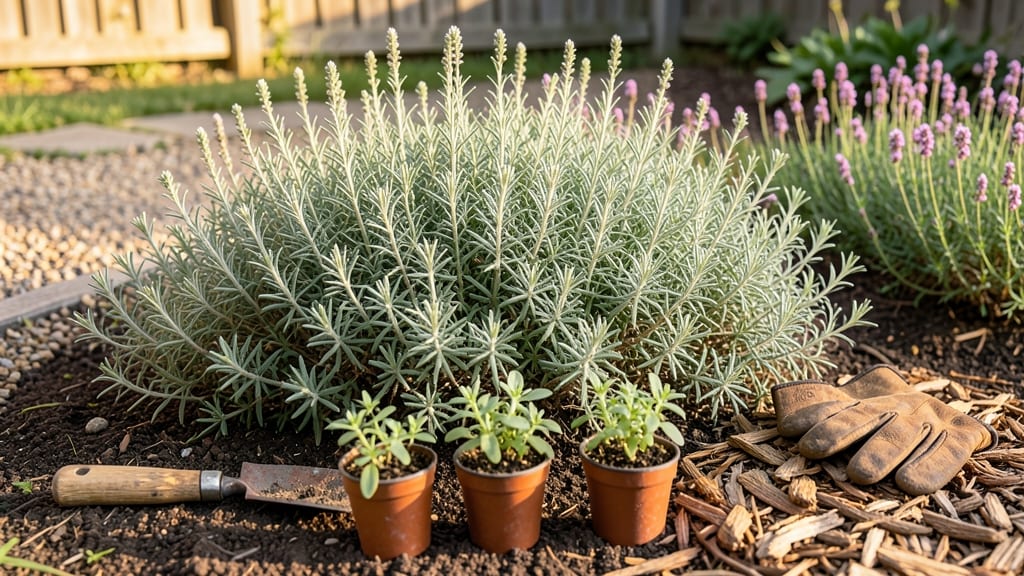
Timing your creeping thyme planting in Colorado can make the difference between a thriving ground cover and a frost-killed disappointment—especially when elevation shifts frost dates by weeks. The key isn't just following a calendar; it's reading your local microclimate, from Denver's urban heat islands to the Western Slope's cooler nights.
With USDA zones 5-8 across the state, your planting window could stretch from March in lower elevations to May in mountain towns. But here's the secret: soil temperature matters more than the date.
We'll show you how to spot the perfect moment—when your 🌿 creeping thyme has the best shot at rooting deep before summer's heat arrives.
Whether you're prepping containers for early starts or adjusting for high-altitude delays, these elevation-based strategies will help you avoid common mistakes. Let's break down the exact conditions that signal "go time" for your hardy perennial—because in Colorado, patience (and the right timing) pays off with fragrant, drought-resistant beauty.
You'll discover how to use local weather cues, from blooming daffodils to NOAA data, to fine-tune your planting schedule. By the end, you'll know exactly when to get those thyme plants in the ground for a lush, low-maintenance carpet that survives Colorado's unpredictable seasons.
Colorado elevation zones for creeping thyme planting (with frost-free timelines)
Colorado’s elevation zones create wildly different planting conditions—what works in Denver (5,280 ft) fails in Aspen (7,800 ft). Creeping thyme thrives when planted after the last frost, but those dates shift 2-4 weeks higher up. Let’s break down your zone’s ideal window using Colorado State University climate data.
For Front Range cities (Denver, Boulder, Fort Collins) in USDA Zones 5-6, aim for mid-April to early May. These areas typically see last frosts around April 15, but urban heat islands can push that back 1-2 weeks.
Rural areas may need to wait until May 1 for safety.
On the Western Slope (Grand Junction, Durango) in Zones 6-7, plant March 15-April 1. These desert-like climates warm faster, but cold air pockets near valleys can delay frost-free dates. Check local NOAA Mesonet stations for real-time updates.
Mountain regions (7,000+ ft) like Estes Park or Leadville (Zone 5) face June 1 planting at the earliest. These high-altitude gardens need 30+ days of frost-free soil temps (≥50°F) for thyme to establish. Use row covers if planting earlier.
Creeping Thyme Planting by Colorado Elevation
| Elevation Zone | USDA Zone | Last Frost Date | Planting Window | Soil Temp Threshold |
|---|---|---|---|---|
| Front Range (Denver, Boulder) | 5-6 | April 15-May 1 | Mid-April to early May | ≥50°F |
| Western Slope (Grand Junction) | 6-7 | March 15-April 1 | March 15-April 15 | ≥55°F |
| Mountain Regions (Aspen, Leadville) | 4-5 | June 1-June 15 | Late May-June 1 | ≥55°F |
| High Plains (Colorado Springs) | 6 | April 1-May 1 | Late March-April 15 | ≥52°F |
Pro Tip: Add 2-4 weeks to these dates for high-altitude gardens above 8,000 ft.
Fall planting (September-October) works in Zones 6-7 (Western Slope), but avoid it in Zone 5 areas where early snows arrive by October 15. Creeping thyme needs 4-6 weeks to root before winter dormancy.
Urban gardens in Denver or Colorado Springs benefit from microclimates. South-facing walls or paved surfaces can create 5-10°F warmer soil temps—ideal for 2-week earlier planting. Test soil with a thermometer (aim for 50°F+) before committing.
For container gardening in colder zones, start thyme indoors 6-8 weeks before your last frost date. Transplant potted thyme when night temps stay above 40°F consistently. This extends your growing season by 30+ days in high-altitude areas.
Remember: Creeping thyme’s drought tolerance makes it perfect for Colorado’s dry spells, but poor drainage kills it. Amend heavy clay soils with sand or grit to prevent root rot—especially critical in mountain valleys where water pools after snowmelt.
🌿
Signs your Colorado climate is ready for creeping thyme (beyond calendar dates)
Colorado’s last frost dates vary wildly—from mid-April in Denver to June in mountain valleys. Relying on a calendar alone means missed opportunities or frost-killed thyme. Instead, watch for these natural cues that signal your microclimate is truly frost-free and ready for planting.
First, check the soil temperature. Creeping thyme thrives when soil reaches at least 50°F. Use a soil thermometer (or press your finger into the ground—if it feels warm, not cold, it’s ready).
Most Colorado gardens hit this mark by late April to early May, but mountain areas may wait until June.
Next, observe your neighboring perennials. When daffodils bloom and crocuses fade, it’s a reliable sign that frost risk has passed in most of the state.
In high-altitude zones (7,000+ ft), wait until lupines or columbines finish flowering—these hardy natives are the canaries in the coal mine for frost.
🌱 Key Takeaway
Plant creeping thyme when:
- 🌡️ Soil temperature ≥ 50°F
- 🌼 Daffodils bloom & crocuses fade
- 📊 NOAA Mesonet shows 0% frost risk for 7+ days
- 🌿 Native perennials (lupines, columbines) finish flowering
For urban gardeners, city heat islands can create earlier planting windows than rural areas. Use NOAA’s Colorado Mesonet to check your exact zip code—this tool provides hyper-local frost predictions down to the neighborhood level.
For example, Denver’s downtown may be frost-free by April 20, while Boulder’s foothills could wait until May 5.
One pro tip: If you’re in a high-altitude garden (8,000+ ft), consider container planting. Pots warm up faster in the sun and can be moved to protected microclimates (like near south-facing walls) to extend your growing season.
This trick lets you plant 2-3 weeks earlier than in-ground beds.
Finally, listen to the wind patterns in your yard. Creeping thyme is drought-tolerant but hates drying winds, which can stress young plants.
If your area is prone to chilly, windy mornings (common in Western Slope valleys), wait until late May or use windbreaks like shrubs or fences to shield your thyme.
By combining these natural indicators with local data, you’ll plant creeping thyme at the perfect moment—no guesswork, just thriving ground cover all season long. 🌿