
Plants
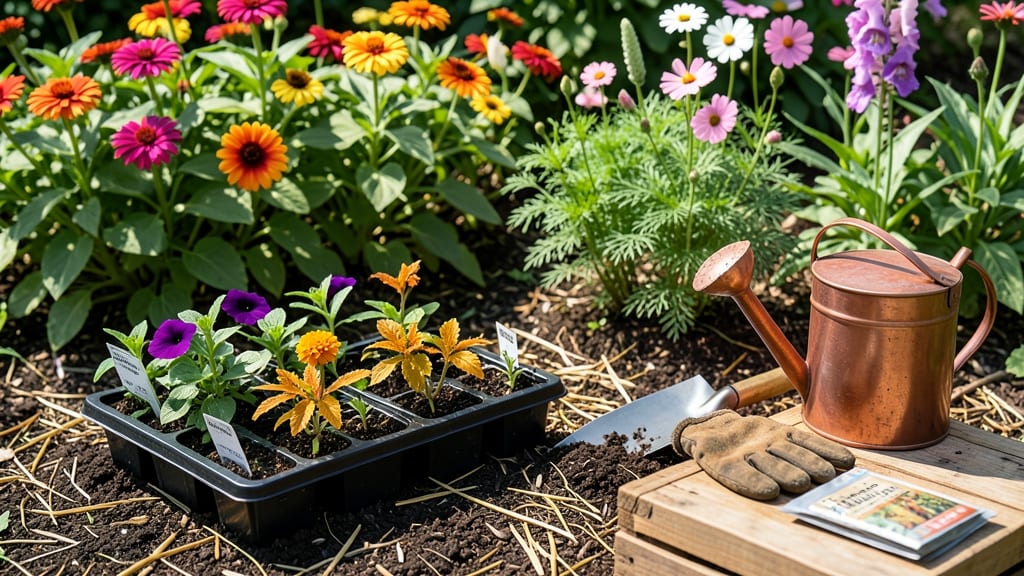
Timing your annuals planting in Colorado wrong can mean the difference between a showstopping garden and a sad, frost-bitten disappointment. With USDA Zones 4-9 across the state, there’s no one-size-fits-all answer—but getting it right unlocks vibrant blooms all season long.
Most Colorado gardeners know the basics: wait until after the last frost. But did you know the Front Range and Western Slope have wildly different windows? I’ll break down exactly when to plant, from early spring snapdragons to heat-loving zinnias, so you avoid bolting and maximize your blooms.
The key is understanding your microclimate. Whether you’re in Denver’s Zone 5 or Durango’s Zone 6, soil warmth and frost dates dictate everything. Let’s dive into the exact planting schedule that’ll keep your annuals thriving—no guesswork needed.
From petunias that hate cold snaps to cosmos that love summer heat, I’ll show you how to pick the perfect time for each variety. Ready to turn your Colorado garden into a year-round paradise?
Colorado heat-Zone planting calendar: avoid bolting in each region
Colorado’s diverse heat zones (4–9) mean your Denver garden and Western Slope beds need different timing. The last spring frost varies wildly—from May 15 in Zone 4 (Grand Junction) to April 1 in Zone 7 (Fort Collins).
Plant too early, and frost zaps seedlings; too late, and summer heat causes bolting.
Use this heat-zone guide to sync planting with Colorado’s frost-free windows. For example, petunias thrive in Zone 5+, while pansies handle Zone 4 chills. Always check your local frost dates—they shift yearly!
🌱 Pro Tip: Start heat-loving annuals (like marigolds) indoors 6–8 weeks before your last frost. Use seedling heat mats for faster germination.
| Heat Zone | Last Frost (Avg.) | Plant Warm-Season Annuals | Plant Cool-Season Annuals | Best Varieties |
|---|---|---|---|---|
| Zone 4 (Grand Junction) | May 15 | After May 20 | March 15–April 15 | Pansies, Snapdragons, Sweet Alyssum |
| Zone 5 (Colorado Springs) | April 30 | After May 10 | March 1–April 10 | Calendulas, Lobelia, Dianthus |
| Zone 6 (Denver) | April 15 | After May 1 | February 28–March 31 | Petunias, Marigolds, Zinnias |
| Zone 7 (Fort Collins) | April 1 | After April 20 | February 15–March 15 | Cosmos, Sunflowers, Nasturtiums |
| Zone 8 (Durango) | March 15 | After April 1 | January 15–February 15 | Geraniums, Portulaca, Vinca |
🌡️ Check your zone: Use the USDA Plant Hardiness Map for precise local data.
For high-altitude gardens (e.g., 10,000+ ft in Zone 4), delay planting 2–3 weeks—cooler soils slow germination. Test soil temperature: 60°F+ is ideal for most annuals.
In Zone 7+, you can double-crop by planting fast-growing annuals (like basil) after harvesting early veggies. Pull out warm-season plants by September 1 to avoid winter kill.
Use black plastic mulch to warm soil 5–10°F faster in Zone 4–5. This trick lets you plant zinnias and cosmos 2 weeks earlier without frost risk.
🌱 Remember: Colorado’s diurnal swings (hot days, cold nights) stress seedlings. Use row covers for 2–3 weeks post-transplant to protect tender geraniums and petunias.
For container gardens, warm up pots with bottom heat—they cool faster than in-ground beds. Move pots to south-facing spots during late spring to avoid chilly night air.
Track your first frost with local CoCoRaHS data (colorado.edu/cocorahs). In Zone 5–6, expect light frosts until October 15—plan fall annuals (like kale) accordingly.
Best annual flowers for Colorado’s short growing season (ranked by hardiness)
Colorado’s short growing season and cool nights demand annuals that thrive under pressure. The wrong choice can mean wilting petunias or frost-bitten zinnias—but the right picks will reward you with bold blooms from spring to fall.
I’ve ranked the top 10 annuals by their ability to handle Colorado’s USDA Zones 4-7, from cold-hardy snapdragons to heat-loving cosmos.
For Zone 4-5 gardeners (think Denver, Fort Collins), focus on cool-season toughies like pansies and snapdragons. These early bloomers tolerate light frosts and even late-spring snow.
In Zones 6-7 (Colorado Springs, Pueblo), you’ll extend your season with heat-tolerant annuals like marigolds and celosia, which thrive in 90°F+ after Memorial Day.
🌱
| Annual | Zone Fit | Planting Time | Spacing | Key Tip |
|---|---|---|---|---|
| Pansies | 4-7 | April–May | 8–12" | Tolerates light frost; deadhead for continuous blooms. |
| Snapdragons | 4-6 | March–April | 10–15" | Start indoors 6–8 weeks before last frost. |
| Marigolds | 5-9 | May–June | 8–12" | Repel pests naturally; great for containers. |
| Cosmos | 6-9 | May–June | 12–18" | Drought-tolerant; self-seeds for next year. |
| Petunias | 7-9 | May–June | 9–12" | Pinch early buds for fuller plants. |
| Zinnias | 5-9 | May–June | 6–12" | Remove spent blooms to prevent bolting. |
My top pick for Zone 4-5 is snapdragons—they handle cool soils and late frosts like a champ. For Zones 6-7, cosmos and zinnias are my go-tos because they self-seed and rebloom until frost. Pro tip: Mix pansies and marigolds for a spring-to-fall display with zero gaps.
If you