
Plants
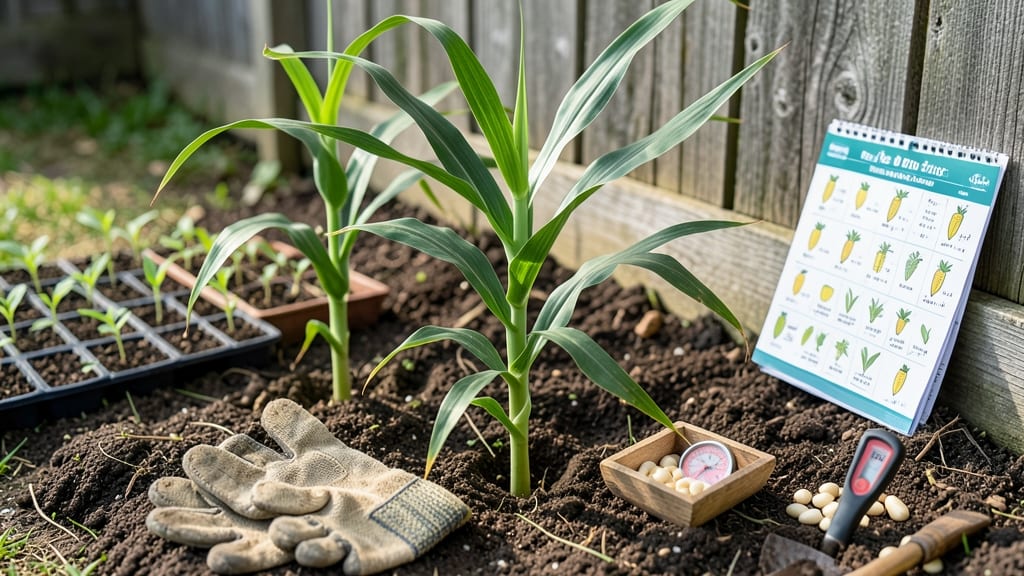
Timing your 🌽 corn planting in Portland, Oregon isn’t just about following a calendar—it’s about outsmarting the city’s quirky microclimates and unpredictable frost patterns.
With last frosts sneaking in as late as mid-April in some neighborhoods and urban heat islands baking others weeks ahead, planting too early or late can mean the difference between a towering harvest and a sad, wilted stalk.
Most Portland gardeners assume mid-April to early June is the magic window, but that’s only half the story. Soil temperatures below 60°F will stall your corn’s growth, while waiting too long risks cutting your harvest short before the first frost in October.
The key? Adjusting for your specific zone—whether you’re in the cooler suburbs or a warmer urban pocket—and knowing exactly when to plant for peak yields.
I’ve spent years growing corn in Portland’s USDA Zone 8a, and what I’ve learned could save you from common mistakes—like planting when the ground’s still chilly or ignoring how companion plants like beans can boost your harvest.
Ready to turn your garden into a cornucopia? Let’s break down the exact steps to time your planting perfectly.
From tracking frost dates to choosing the right varieties for Portland’s 120-day growing season, this guide will help you avoid the pitfalls and maximize your corn’s potential. Whether you’re a beginner or a seasoned gardener, these actionable tips will set you up for success—no guesswork required.
Portland corn planting calendar: frost dates, soil temps, and microclimate zones
Portland’s USDA Zone 8a/8b climate creates a tight window for planting corn, but local microclimates can shift your ideal dates by 2-3 weeks. The average last frost date is April 15, but urban areas like Beaverton often warm up faster than cooler neighborhoods like East Portland.
Always wait until soil temperatures hit 60°F+—corn seeds won’t germinate below this threshold.
For reliable germination, aim to plant 2-3 weeks after your area’s last frost. Early varieties (like 'Ambrosia') can handle cooler soils, while late varieties (like 'Peaches and Cream') need warmer conditions. Use a soil thermometer to confirm readiness—this is critical in Portland’s unpredictable spring.
Here’s how microclimates affect your planting timeline:
| Zone/Neighborhood | Last Frost Avg. | Ideal Planting Window | Soil Temp Goal |
|---|---|---|---|
| Urban Heat Islands (Downtown, Pearl) | April 5-10 | Late April | 60°F+ |
| Suburbs (Beaverton, Hillsboro) | April 10-15 | Mid-April to early May | 60°F+ |
| Cooler Areas (East Portland, Gresham) | April 15-20 | Early May | 65°F+ |
| Rural Areas (Wilsonville, Canby) | April 5-10 | Late April | 55°F+ |
Adjust dates if early spring warmth lingers—watch for unseasonable heat spikes!
To track local frost dates accurately, check resources like the National Weather Service Portland or Almanac.com. These tools provide historical averages and real-time updates. For extra safety, use row covers if planting early—this can push your window back by 1-2 weeks without risking frost damage.
Portland’s short growing season (only 165 frost-free days) means you’ll need fast-maturing varieties (75-100 days to harvest). Choose early-season hybrids like 'Golden Bantam' (60 days) or 'Country Gentleman' (90 days) to ensure a harvest before the first frost in mid-October.
If you’re unsure about your microclimate, test your garden’s warmth by placing a black plastic mulch sheet on the soil for 24 hours. If it feels warm to the touch, your soil is ready.
This trick works especially well in Portland’s clay-heavy soil, which warms slowly but retains moisture better than sandy soils.
For urban gardeners, consider container growing—large pots (12"+ deep) can be moved to sunnier spots or brought indoors if frost threatens. Just remember: corn needs space (12-18" apart) and full sun (6+ hours daily), so plan your layout carefully.
Finally, avoid planting too late—corn needs at least 60 days of warm weather after germination. If you miss the May 1 cutoff, switch to short-season varieties or accept smaller yields.
The key is balance: plant early enough to maximize growth, but not so early that frost ruins your crop.
Step-by-step corn planting timeline for Portland’s short growing season
Portland’s 120-day growing season demands precision when planting corn—one wrong move, and your harvest could vanish before the first frost. My secret? Staggering plantings to extend the season and choosing the right varieties for Portland’s climate.
Let’s map out your week-by-week timeline from seed to harvest, including when to start indoors (if needed) and how to protect tender seedlings from late frosts.
First, mark your calendar for soil temperature—corn won’t germinate below 60°F. Use a soil thermometer (I swear by the ThermometerPro model) to confirm readiness.
In most of Portland, this means waiting until mid-April to early May, but urban heat islands (like downtown) can be ready 2-3 weeks earlier. For cooler suburbs (e.g., Beaverton or Gresham), hold off until late April.
🌱 Step-by-Step Corn Planting Timeline for Portland
- Weeks 1-2 (Early April): Start early varieties indoors (if using) or order seeds. Test soil temperature—wait for 60°F+.
- Week 3 (Mid-April): Plant dwarf varieties (e.g., 'Ambrosia') in urban heat islands (soil warms faster).
- Week 4 (Late April): Direct-sow mid-season varieties (e.g., 'Peaches and Cream') in cooler suburbs.
- Week 6 (Early May): Transplant indoor-started seedlings (if used) or sow late varieties.
- Week 8 (Mid-May): Apply mulch (black plastic or straw) to retain heat and suppress weeds.
- Week 10 (Late May): Thin seedlings to 12 inches apart in rows 30 inches apart.
- Week 12 (Early June): Watch for tasseling—this is when pollination begins!
- Week 16 (Mid-July): Harvest early varieties; succession-plant quick-maturing types.
🌽 Pro Tip: Use row covers for late plantings to extend the season by 2-3 weeks.
Corn thrives on consistency, so once your seedlings emerge (usually 7-14 days after planting), keep the soil moist but not soggy. I’ve found that drip irrigation saves time and prevents fungal diseases like corn smut, which loves Portland’s damp springs.
If you’re planting in clay-heavy soil (common in East Portland), amend with compost or sand to improve drainage.
Don’t forget companion planting—corn grows best with beans, marigolds, or squash, which deter pests and improve soil nitrogen. Avoid planting near tomatoes or cabbage, as they compete for nutrients.
For maximum yields, I recommend staggering plantings every 2 weeks—this ensures a continuous harvest from July through September.
By late summer, watch for silks turning brown—this signals pollination and the start of ear development. If silks dry out before pollination, hand-pollinate by brushing tassels onto the silks with a paintbrush.
With this timeline, you’ll avoid the #1 mistake Portland gardeners make: planting too late and risking immature ears before frost.
Portland’s short growing season means every day counts. Follow this timeline, and you’ll turn your garden into a cornucopia—no frost-related disappointments here! 🌽