
Plants
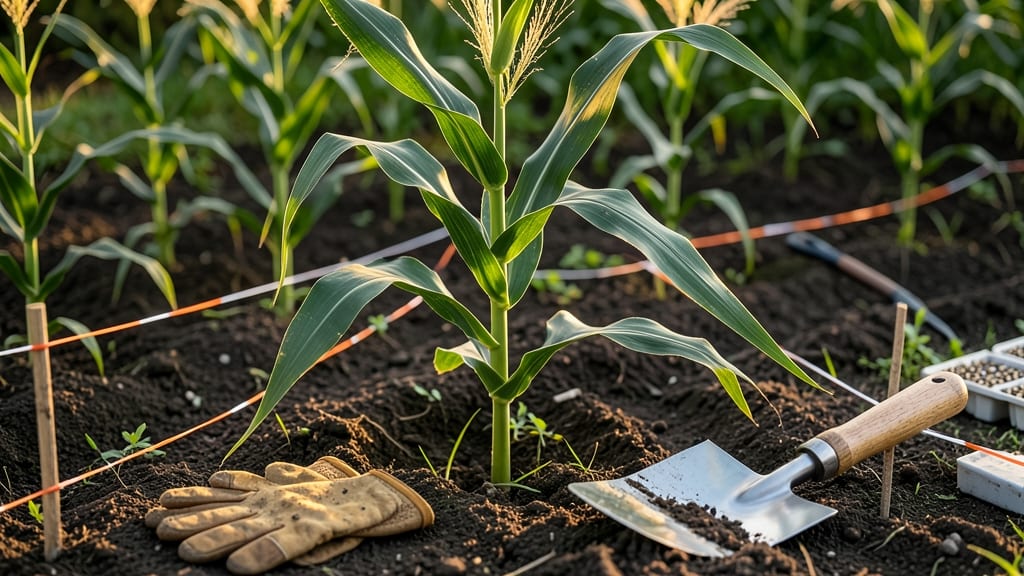
Timing your 🌽 corn planting in Vermont could mean the difference between a bumper crop of sweet, juicy ears and a sad, frost-nipped disappointment.
With Vermont's 5b-6a climate, you've got just 150 frost-free days to work with—so getting those seeds in the ground at the right moment is absolutely critical.
Most gardeners here wait until mid-April to mid-May, but that's just the starting point. The real secret lies in watching for soil temperatures to hit that sweet spot of 50-60°F—any earlier and your tender seedlings will shiver in the cold.
I'll show you exactly how to track these conditions so you never miss the perfect window again.
Once you've got your timing down, we'll cover smart strategies to stretch your growing season—because in Vermont, every extra day counts. Whether you're dealing with late frosts or early chills, these proven techniques will help you coax the most out of your summer corn harvest from July through September.
Ready to grow corn that rivals the best you've ever tasted? Let's dive into the exact steps that'll have your garden producing ears so sweet, your neighbors will be asking for recipes. You won't want to miss this!
Vermont corn planting dates by last frost date & soil temperature guidelines
Vermont's cool climate and short growing season demand precise timing for corn planting. The average last frost date across the state ranges from May 1-15, but your exact window depends on elevation and microclimates.
For Chittenden County, aim for May 10-20, while Windham County can start slightly earlier around May 1-10.
Corn seeds won't sprout until soil reaches 50°F, but optimal growth begins at 60°F. Use a soil thermometer to verify—planting too early in cold soil leads to rot or slow germination. In northern Vermont, wait until late May when soil consistently stays above 55°F.
For reliable harvests, schedule planting to ensure 90-120 frost-free days. Vermont's first frost typically arrives October 1-15, so count backward from your average frost date using the maturity days of your chosen variety. A 60-day variety needs planting by June 20 for a September harvest.
🌽
Check Vermont's USDA Plant Hardiness Zone (5b-6a) for your exact location. Southern Vermont gardeners in zones 6a can plant 1-2 weeks earlier than northern zones 5b. For microclimates, observe nearby orchards or farms—their planting schedules often reflect local conditions.
Use Vermont's historical frost data from the Vermont State Climate Office to refine your timing. For example, Burlington averages May 15 for last frost, while St. Johnsbury waits until May 25. Adjust planting dates based on 3-year averages rather than single-year data for consistency.
If you're unsure about your soil temperature, conduct a quick test: Press your hand into the soil—if it feels warm but not hot, it's likely 50-60°F. For cold, wet springs, use black plastic mulch to warm soil 5-10°F faster and speed up germination.
For container growing, start seeds indoors 2-3 weeks before your outdoor planting date. Use biodegradable pots and transplant seedlings when soil reaches 60°F. This extends your effective growing season by 2-3 weeks in Vermont's short summer.
🌱
How to extend Vermont corn growing season with smart planting strategies
Vermont's short growing season (just 150 frost-free days) makes timing critical for corn success. But with the right strategies, you can stretch your harvest window and enjoy sweet ears all summer long.
The key is combining early starts, season extension tools, and fast-maturing varieties tailored to Vermont's climate.
I've found that succession planting works wonders here—planting corn in two-week intervals from late April through early June ensures a continuous supply of fresh ears. This approach lets you stagger maturity dates, so you're not overwhelmed with harvest all at once.
Plus, it gives you flexibility if early plantings get hit by unexpected late frosts.
For those chilly spring mornings, I swear by row covers or cold frames to jumpstart growth. These simple tools can add 2-3 weeks of protection, letting you plant corn 2-3 weeks earlier than usual. Just
🌱 5 Proven Season-Extension Tips for Vermont Corn
- 📅 Succession Planting: Sow seeds every 2 weeks from late April to early June for staggered harvests
- 🌡️ Early Warmth: Use row covers for 2-3 weeks after planting to accelerate germination by 10-15 days
- 🌽 Fast Varieties: Choose 75-day or fewer varieties like 'Early Sunglow' or 'Silver Queen' for reliable harvests
- 🌡️ Soil Warmers: Lay black plastic mulch 1-2 weeks before planting to raise soil temps by 5-10°F
- 🌿 Pollination Help: Plant corn in blocks (not rows) to improve cross-pollination, especially with late plantings
Don't overlook soil preparation as your secret weapon. Amending beds with compost and aged manure before planting gives young corn plants the nutrient boost they need to grow faster. I've noticed that corn planted in warmed, fertile soil can emerge 50% faster than in cool, poor soil. For even better results, try raised beds—they warm up quicker in spring and provide better drainage.
When selecting varieties, prioritize disease-resistant types that mature in 75 days or less. Vermont's humid summers create perfect conditions for corn smut and blight, so choosing the right genetics can mean the difference between a bountiful harvest and a disappointing yield.
My go-to varieties include 'Bodacious' (80 days) and 'Peaches and Cream' (72 days)—both handle Vermont's weather like champs.
Remember, late summer plantings can still work if you choose extra-fast varieties (60-70 days). Try sowing a final batch in early July for a fall harvest before frost. Just be prepared to harvest quickly and use row covers to protect tender ears from early frosts.
With these strategies, you can enjoy fresh corn on the cob from late June through September!