
Plants
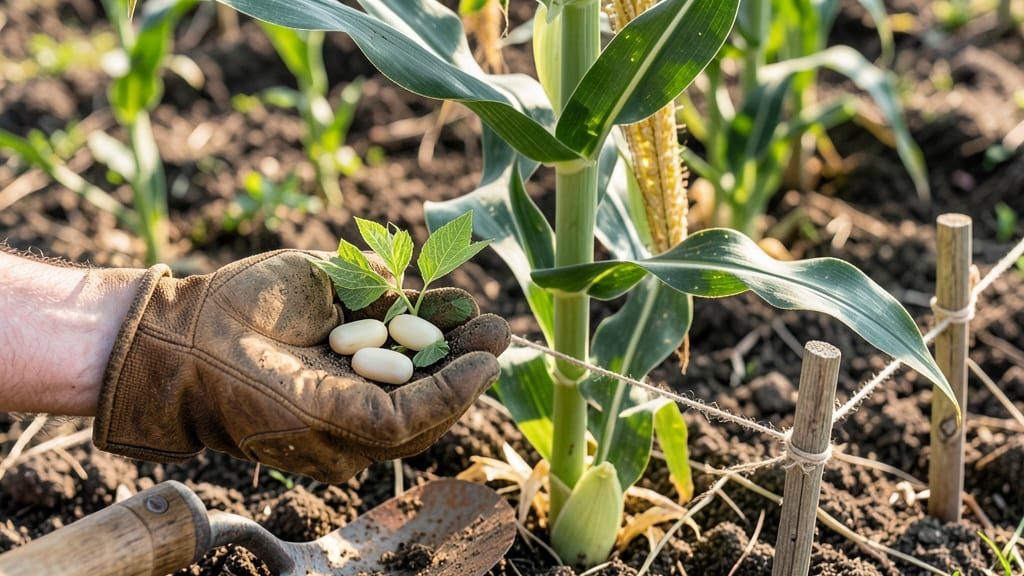
Knowing when to plant corn in Middle Tennessee isn’t just about checking a calendar—it’s about reading your soil and weather like a pro. Too early, and frost will nip your tender seedlings before they even sprout. Too late, and summer’s sweltering heat can stunt growth before harvest season arrives.
Here in USDA Zone 7a, the sweet spot falls between mid-April and early May, when soil temperatures finally climb above 60°F and the last frost date (usually around April 15) fades into memory.
But timing isn’t one-size-fits-all—microclimates in Nashville, Chattanooga, or Knoxville can shift that window by 1-2 weeks.
I’ll walk you through how to pinpoint your exact planting window using soil thermometers, frost-free day calculators, and variety-specific guidelines. Whether you’re growing sweet corn for summer grilling or field corn for fall storage, getting this right means the difference between a bumper crop and a bust.
Let’s break down the key factors—soil warmth, frost risks, and plant maturity—that will help you plant with confidence and avoid common pitfalls. Ready to turn your garden into a cornucopia of golden ears? Let’s get started.
Middle Tennessee corn planting dates by soil temperature zones
Middle Tennessee’s corn planting window hinges on two critical factors: soil temperature (at least 50°F) and the last average frost date.
Most gardeners in USDA Zone 7a aim to plant between mid-April and early May, but your exact timing depends on your microclimate—whether you're in Nashville’s urban heat islands, Chattanooga’s cooler valleys, or Knoxville’s higher elevations.
Corn seeds won’t germinate well below 50°F soil temperature, and young plants are frost-sensitive (even a light freeze can kill them). Using a soil thermometer is your best friend—wait until morning soil temps consistently hit 60°F before planting.
In Middle Tennessee, this typically aligns with April 15–May 1, but elevations above 1,000 feet (like parts of Knox County) may need to wait until mid-May.
Here’s how to break it down by region:
| Region | Average Last Frost | Ideal Planting Window | Soil Temp Threshold | Notes |
|---|---|---|---|---|
| Nashville Metro | April 15 | April 20–May 5 | 60°F+ | Urban heat delays frost; use black plastic mulch to warm soil faster. |
| Chattanooga Area | April 20 | May 1–15 | 55°F+ | Valleys like Lookout Mountain can frost later; plant on south-facing slopes. |
| Knoxville & East TN | April 25 | May 10–25 | 60°F+ | Higher elevations (e.g., Tellico Plains) may need to wait until June. |
For gardeners in middle Tennessee’s shorter growing season, choosing the right corn variety is just as important as timing. Early-maturing varieties (like Silver Queen, which takes 70–75 days to harvest) are safer bets than late-season types (which may not fully mature before the October 15 first frost).
If you’re in a cooler microclimate, consider succession planting—sow a second crop in early June for a late-summer harvest.
Pro tip: Use row covers or cold frames to extend your season. If a late frost threatens after planting, cover seedlings with frost blankets until temps rise. Even a 24-hour warning can save your crop if you act fast. Just remove covers by 10 AM to avoid overheating.
Another key strategy is soil warming. Middle Tennessee’s clay-heavy soils retain cold longer.
To speed up warming, try these tricks: - Lay down black plastic mulch 1–2 weeks before planting - Plant near south-facing fences or buildings to capture heat - Mix in compost or aged manure to raise soil temperature by 3–5°F
If you’re unsure about your local frost dates, check the Almanac’s Frost/Freeze Calculator (https://www.almanac.com/frost-free-date) or call your local Cooperative Extension office. For example, Davidson County Extension often provides weekly soil temp updates during spring. Don’t guess—your corn’s yield depends on it!
Finally, remember that corn is a heavy feeder. If your soil is cold and compacted (common in Middle Tennessee’s clay), amend it with compost or a balanced fertilizer (like 10-10-10) at planting. This gives seedlings the phosphorus boost they need to establish roots quickly in cool soil.
Once your soil hits 60°F and the last frost date is behind you, it’s time to plant! Use a stake or dowel to mark your rows—corn needs 30–36 inches between rows for proper airflow and pollination.
And if you’re planting in containers, choose dwarf varieties like Bodacious (which matures in 75 days) and use pots at least 12 inches deep.
🌽
How to calculate your local frost-free window for corn success
Timing your corn planting around Middle Tennessee’s frost-free window is critical—late frosts can wipe out tender seedlings, while planting too late leaves you scrambling for harvest before fall’s first frost.
The key is understanding your local average last frost date and historical frost patterns, which vary slightly between Nashville, Chattanooga, and Knoxville.
Start by checking the USDA Plant Hardiness Zone Map for your area (Middle Tennessee is primarily Zone 7a), then cross-reference with local weather records. The Nashville area typically sees its last frost around April 15, while Chattanooga and Knoxville may experience frost as late as April 22.
However, microclimates—like low-lying areas or urban heat islands—can shift this window by a week or more.
🌱 Pro Tip: Use the National Oceanic and Atmospheric Administration (NOAA) frost calculator or your local Cooperative Extension Service (like UT Extension) for hyper-local data. These tools account for elevation changes and urban heat effects that standard zone maps miss.
⚠️ Late Frost Danger Zone
Corn seedlings can’t survive temperatures below 50°F. A late frost after planting means wasted seeds and lost time. If your area has a history of May frosts, consider using row covers or planting early-maturing varieties (70–80 days to harvest) as a backup.
Action Step: Monitor the 7-day forecast before planting. If frost is predicted within 10 days, delay planting until soil warms and the risk passes.
Corn needs a 120–150-day growing season to mature, so count backward from your average first frost date (typically October 15 in Middle Tennessee). This gives you a frost-free window of about 165 days, but adjust for your specific location—higher elevations like Sweetwater may have shorter windows.
For extra safety, plant successive crops every 2 weeks in early May to stagger harvests. This spreads risk if early planting fails due to frost. Use black plastic mulch to warm soil faster and protect young plants from temperature swings.
🌿 Local Resource: The Middle Tennessee Corn Growers Association offers regional planting guides and frost alerts. Their data often reflects real-world conditions better than generic zone maps.