
Plants
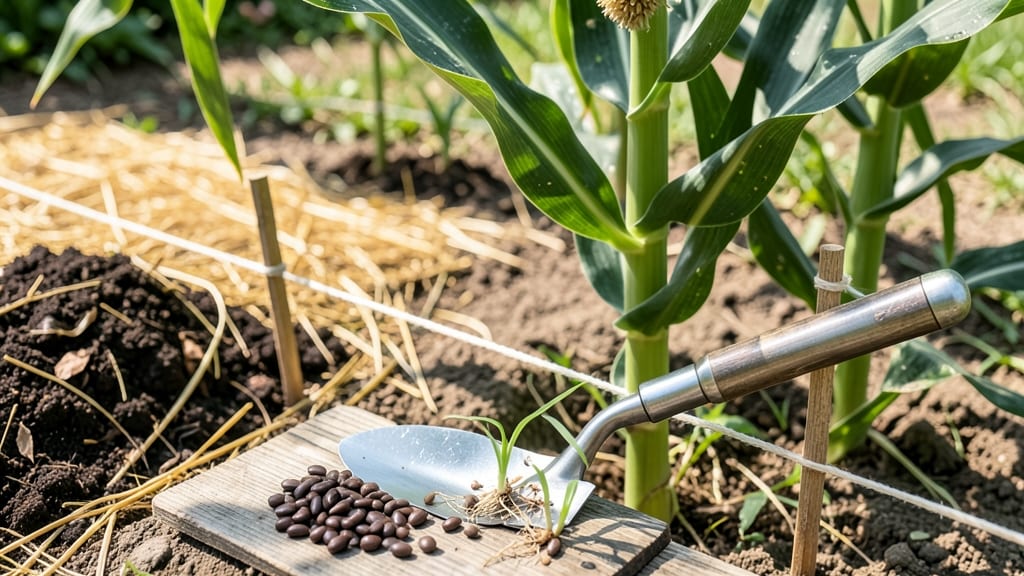
Timing your corn planting in Idaho isn’t just about following a calendar—it’s about outsmarting the state’s fickle frost dates and soil warmth swings. Whether you’re growing sweet 🌽 or field corn, planting too early risks frost damage, while waiting too late can leave you with stunted ears.
Idaho’s diverse zones (4-7) mean what works in Boise might fail in Coeur d’Alene, so precision matters.
I’ve seen gardeners in southern Idaho rush to plant in April only to watch their seeds rot in cold soil, while those in northern reaches wait until June and still miss the window.
The key is waiting until soil temperatures hit 50°F—a rule that saves more harvests than any other. Let me show you exactly when to start seeds indoors (or direct-sow) based on your exact location.
You’ll also discover how to adjust for Idaho’s microclimates, from using black plastic mulch to warm soil in zone 4 to choosing drought-resistant varieties for the high desert.
We’ll cover spacing tricks to maximize yield and companion plants that keep pests like earworms at bay—because even the best timing won’t help if your corn gets munched before harvest.
Ready to avoid the most common mistakes? By the end, you’ll know not just when to plant, but how to set your Idaho corn up for a bumper crop—no guesswork required.
Idaho planting zones and ideal corn planting dates by region
Idaho spans USDA zones 4 through 7, creating dramatic differences in growing seasons. In northern Idaho (zones 4-5), like Coeur d’Alene or Sandpoint, corn needs extra warmth to thrive, while southern Idaho (zones 6-7), such as Twin Falls or Burley, enjoys longer frost-free periods.
Your last frost date is the critical marker—planting too early risks frost damage, while waiting too late shortens the growing season.
Most Idaho gardeners aim for soil temperatures above 50°F, which typically occurs between late April and mid-May in southern regions but waits until late May to early June in northern areas.
For short-season varieties (like 'Early Sunglow'), start seeds indoors 2-3 weeks before transplanting outdoors after the last frost.
Here’s a quick guide to Idaho’s corn planting windows by region, accounting for frost dates and soil warmth:
| Region | USDA Zone | Last Frost Date | Ideal Planting Window | Best Varieties |
|---|---|---|---|---|
| Northern Idaho (Coeur d’Alene, Sandpoint) | 4-5 | May 15–June 1 | Late May–Early June | 'Golden Bantam', 'Early Sunglow' |
| Boise Valley (Boise, Meridian) | 6 | May 1–May 15 | Mid-April (indoors) or late April (direct sow) | 'Silver Queen', 'Peaches and Cream' |
| Southern Idaho (Twin Falls, Burley) | 7 | April 15–April 30 | Early April–Mid-May | 'Ambrosia', 'Bodacious' |
For high-elevation areas (like Sun Valley or McCall), consider using black plastic mulch to warm soil faster or opt for drought-resistant varieties like 'Pioneer 3906'. These adjustments can extend your growing season by 2-3 weeks, ensuring a successful harvest.
Always check your local frost dates using the Old Farmer’s Almanac or Idaho State University Extension resources, as microclimates can shift planting windows by weeks. For example, Boise’s urban heat island may allow earlier planting than nearby rural areas.
If you’re unsure about soil warmth, use a soil thermometer—corn roots need consistent temperatures above 60°F to grow properly. Planting too early in cool soils leads to poor germination or stunted plants, wasting your effort.
For field corn (used for livestock or grain), extend your planting window slightly later—June 1–15—since it tolerates cooler soils better than sweet corn. However, drought-resistant varieties are ideal for Idaho’s dry spells, especially in zone 7.
Pro tip: In northern Idaho, start seeds indoors under grow lights in early April. Transplant seedlings outdoors after the last frost, using row covers for extra warmth if needed. This method can give you a 2-week head start on the growing season.
🌽
How to adjust corn planting dates for Idaho’s microclimates
Idaho’s diverse geography means Boise’s urban heat can differ by 2-3 weeks from Coeur d’Alene’s cooler valleys. High-altitude areas like McCall (USDA Zone 5) need earlier short-season varieties, while Twin Falls (Zone 7) can handle later plantings.
Microclimates also affect soil warming—black plastic mulch can add 5-10°F in northern Idaho, extending your planting window by 1-2 weeks.
In southern Idaho’s desert regions, irrigation-dependent soils may dry out faster, requiring earlier planting to ensure moisture retention. Meanwhile, mountain foothills often experience late spring frosts, so wait until May 15-June 1 for safety.
Always check soil temperatures—corn needs 50°F+ to germinate, and a soil thermometer is your best tool for local adjustments.
For high-elevation gardens, consider container growing to move plants to warmer microclimates. If you’re in Zone 4, prioritize early-maturing hybrids (e.g., 'Early Sunglow') and use warm-season mulches like straw to maintain soil warmth.
Always track your local frost dates—Idaho’s Mountain Home can have 100+ frost-free days, while Sandpoint may only manage 80-90 days.
Pro tip: Plant a test row 2 weeks early to gauge soil conditions. If seedlings emerge unevenly or yellow, your timing is off—wait until soil hits 60°F+ consistently. Adjust future plantings based on these trials to maximize your Idaho corn harvest.