
Plants
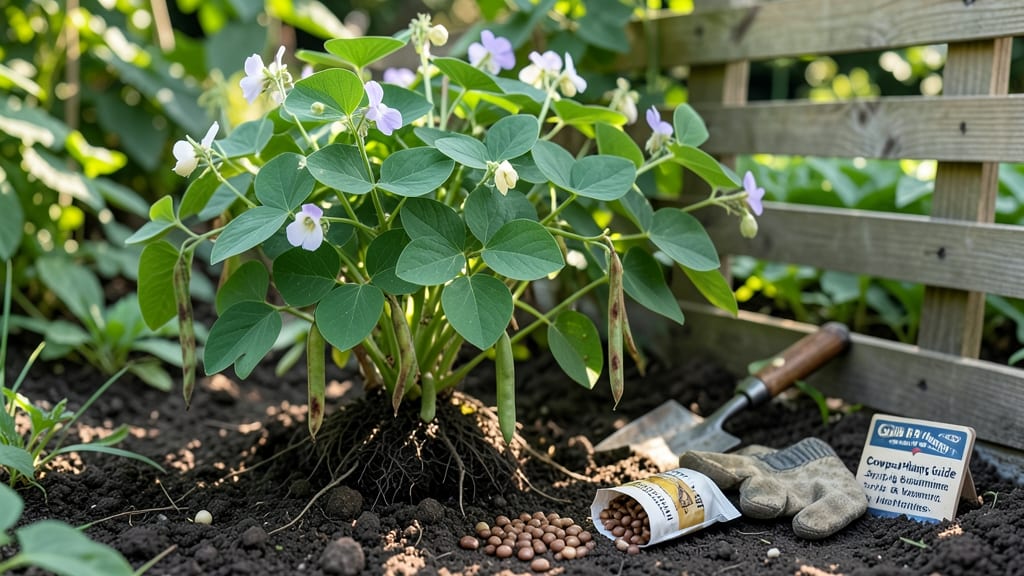
Figuring out when to plant cowpeas in Oklahoma can feel like guessing the weather—because in this state, timing really matters. Whether you're growing black-eyed peas or purple hulls, planting too early risks frost damage, while waiting too long might leave you with a short harvest season.
Oklahoma’s USDA Zones 6a-8a create a unique challenge, with frost-free dates ranging from early March in the south to late March in the north.
The key is planting after the soil warms to 60°F and at least 2 weeks before your last frost date, giving your 🌱 cowpeas enough time to mature before summer’s heat or fall’s chill sets in.
But here’s the good news: cowpeas are tough and adaptable. With the right variety—like fast-maturing 'Purple Hull' or heat-loving 'California Black-Eye'—you can stretch your planting window from March through September, ensuring a steady supply of fresh pods from June to October.
In this guide, I’ll break down Oklahoma’s frost-free zones, soil temperature tricks, and variety choices so you can plant with confidence—no more second-guessing, just a bountiful harvest. Let’s get started!
Oklahoma cowpea planting calendar: frost-free dates by region
Oklahoma’s diverse climate—from the cooler Panhandle to the warmer southwestern regions—means your cowpea planting window can shift by 4-6 weeks. Understanding your USDA Hardiness Zone and local frost dates is critical to avoid seed loss or stunted growth.
Most cowpea varieties tolerate heat well but won’t survive frost, so timing is everything.
For northern Oklahoma (Zones 6b–7a), like Oklahoma City or Stillwater, the average last frost date falls around mid-April, while southern Oklahoma (Zones 7b–8a), including Tulsa or Lawton, sees frost-free conditions by early March.
Even a light frost can kill young cowpea plants, so plan accordingly.
Here’s how to align your planting with Oklahoma’s 7 agricultural regions, ensuring your cowpeas thrive from spring through fall:
| Region | Last Frost Date | Best Planting Window | Notes |
|---|---|---|---|
| Panhandle (Zone 6b) | Mid-April | Late April–May | Cool nights; opt for heat-tolerant varieties like 'California Black-Eye'. |
| Northwest (Zone 7a) | Early April | Mid-April–June | Ideal for purple hull cowpeas; monitor for hail in spring. |
| Central (Zone 7b) | Late March | Early April–July | Best for crowder peas; soil warms faster here. |
| Northeast (Zone 7a) | Early April | Mid-April–June | Humid climate; space plants to improve airflow. |
| Southwest (Zone 8a) | Early March | March–August | Longest growing season; fall planting possible until July. |
| Southeast (Zone 7b–8a) | Mid-March | Late March–September | Hot summers; succession plant every 2 weeks. |
If you’re in Zone 6b (Panhandle), wait until after May 1 to plant, as early springs can bring unexpected frosts. Meanwhile, gardeners in Zone 8a (southwest Oklahoma) can start as early as March 1, giving you a 6-month growing window for cowpeas.
For fall harvests, sow seeds by mid-July in southern regions to ensure pods mature before the first frost in November.
Pro tip: Use the Oklahoma Mesonet (mesonet.org) to track real-time soil temps and adjust your planting schedule. Their frost alerts can save your crop if a late freeze sneaks in.
For black-eyed peas, aim to plant 2 weeks after your last frost date—this gives seeds time to germinate before summer heat sets in. Purple hull varieties, however, handle heat better and can be sown as late as June in most regions.
Always check seed packets for days to maturity to plan your harvest timeline.
Remember, cowpeas are drought-tolerant once established, but young plants need consistent moisture. Mulch with straw to retain soil warmth and reduce watering needs during Oklahoma’s dry spells in late summer.
🌱
Ideal soil temperature for cowpea germination in Oklahoma
Cowpea seeds need warm soil to germinate, and in Oklahoma, soil temperature swings can delay or ruin your crop if you plant too early. The magic number for cowpea germination is 60°F or warmer, but seeds won’t sprout reliably below 55°F.
This means waiting for soil to warm naturally—or using tricks to speed it up—is critical for success.
In northern Oklahoma (Zones 6b–7a), soil may not reach 60°F until mid-to-late May, while southern regions (Zones 7b–8a) can hit that mark as early as mid-March. The difference? Up to 6 weeks in planting timing based solely on soil warmth.
Use a soil thermometer (available for under $15) to check temps at 4-inch depth—this is where cowpea roots first seek warmth.
Here’s how to monitor and adjust for perfect germination conditions in Oklahoma’s heat zones:
- 🌡️ Check soil temp daily at 4-inch depth using a thermometer. Aim for 65°F+ for fastest germination.
- 🌱 Plant after last frost but only when soil stays above 60°F for 3+ days. Cold snaps can stall seeds.
- ☀️ Use black plastic mulch in cooler zones to raise soil temps by 5–10°F and speed germination by 1–2 weeks.
- 💧 Avoid overwatering before germination—keep soil moist but not soggy to prevent rot.
- ⏳ Adjust for variety: Fast-maturing types (e.g., 'Iron Clay') tolerate cooler soils better than heat-lovers like 'California Black-Eye'.
If your soil is below 60°F in spring, try these Oklahoma-proven tricks:
- Warm the soil with a clear plastic tunnel (cover rows with plastic for 3–5 days before planting).
- Plant in raised beds, which warm 2–3°F faster than in-ground soil.
- Use straw mulch after planting to retain heat and moisture.
Once seeds sprout, cowpeas grow rapidly in Oklahoma’s heat, but young plants are vulnerable to cool nights. If temps dip below 50°F after germination, protect seedlings with row covers or move pots indoors temporarily.
In southern Oklahoma (Zone 8a), you can even plant fall cowpeas in July—just ensure soil stays above 60°F for at least 4 weeks post-planting.
🌱