
Plants
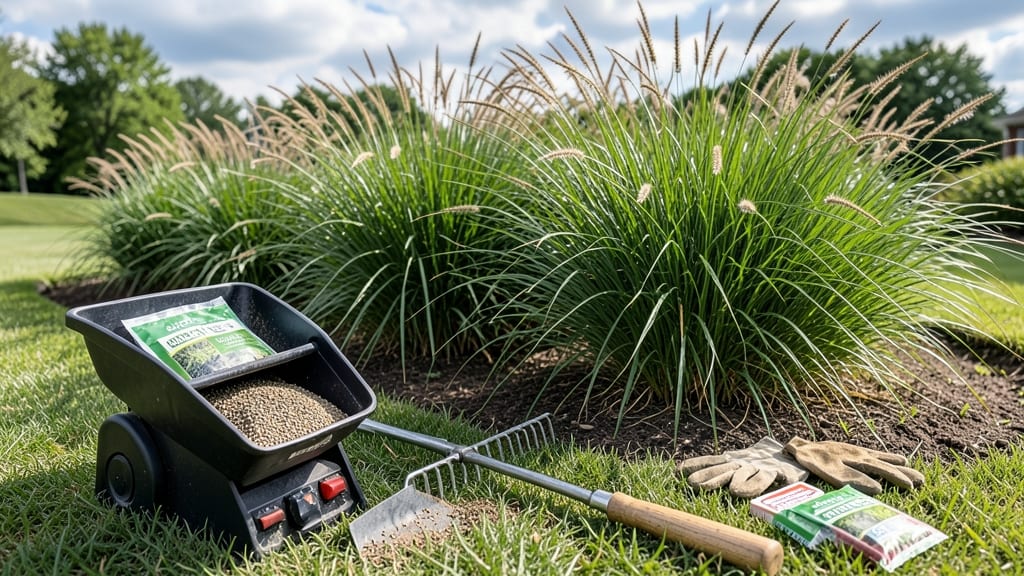
Timing your 🌱 grass seed planting in Oklahoma could mean the difference between a lush, green lawn and months of frustration. The best time to plant isn’t just about the calendar—it’s about soil warmth, frost-free windows, and understanding your specific region’s microclimate.
In Oklahoma’s 6a-7b zones, early spring (March-April) and late summer (August-September) are your golden windows. But here’s the catch: planting too early risks frost damage, while waiting too late means slower germination. Let’s break down the exact conditions and steps to get your lawn off to the right start.
You’ll learn how to read soil temperatures, adjust for Oklahoma’s regional differences, and avoid common mistakes that derail even the most well-intentioned lawn projects. Whether you’re in the Panhandle or the southeast, these insights will help you plant with confidence.
Ready to transform your yard? Let’s dive into the science and strategies that make all the difference in Oklahoma’s unpredictable climate.
Oklahoma’s ideal grass seed planting window: soil temperature & frost timing
Oklahoma’s variable climate makes timing critical for grass seed success. The perfect window depends on whether you’re planting cool-season or warm-season grasses, each requiring specific soil temperatures and frost-free periods. Get it wrong, and you’ll face slow germination, weeds, or even seed loss.
Cool-season grasses like tall fescue and Kentucky bluegrass thrive when soil temps are 50–65°F. In Oklahoma, this aligns with late August through October, after summer heat subsides but before first frost (typically mid-November).
Warm-season grasses like Bermuda and Zoysia need soil temps above 65°F, ideal in late April to early June.
| Grass Type | Ideal Planting Window | Soil Temp (°F) | Key Consideration |
|---|---|---|---|
| Cool-Season (Tall Fescue, Kentucky Bluegrass) | Late August–October | 50–65°F | Avoid summer heat; establish before frost |
| Warm-Season (Bermuda, Zoysia) | Late April–Early June | 65–75°F | Soil must be warm; avoid drought stress |
For cool-season grasses, aim to plant 6–8 weeks before first frost (typically by mid-October). This gives seedlings time to establish roots before winter dormancy. Use a soil thermometer to confirm temps—if it’s below 50°F, wait a week or two.
Warm-season grasses demand consistent warmth. Plant too early, and seeds may rot in cool, damp soil. Too late, and summer drought or heat stress can kill seedlings. Check Oklahoma Mesonet for real-time soil temps—65°F+ is your green light.
Oklahoma’s USDA Zones 6a–7b mean last frost dates vary. In the Panhandle (Zone 6a), frost can linger until April 15, while the Southeast (Zone 7b) may see March 1 as the last frost. Adjust your schedule based on your local microclimate.
Pro tip: If you miss the ideal window, consider sod instead of seed for faster coverage. Sod establishes quicker and tolerates harsher conditions than young seedlings. But for the best results, stick to the soil temp rules—your lawn will thank you.
Once you’ve nailed the timing, prep your soil with 2–3 inches of compost and a light raking to create a fine seedbed. This ensures good seed-to-soil contact, which is half the battle in Oklahoma’s windy, dry conditions.
After planting, water deeply twice daily for the first 2 weeks to keep soil moist but not soggy. A light misting in the morning and evening prevents seed drying. Avoid overhead sprinklers—they can wash away seeds.
Remember: Patience is key. Cool-season grasses may take 3–4 weeks to germinate, while warm-season types can take 10–14 days in ideal conditions. Resist the urge to overwater or fertilize too soon—both can harm young seedlings.
🌱
How to adjust planting for Oklahoma’s microclimates (Panhandle vs. Southeast)
Oklahoma’s diverse geography means planting windows vary dramatically between the Panhandle’s arid climate and the Southeast’s humid conditions. The Panhandle (USDA Zones 6b-7a) has shorter frost-free seasons and hotter summers, while the Southeast (Zones 7a-8a) enjoys longer growing periods and milder winters.
These differences can shift your ideal planting window by 4-6 weeks—so let’s break it down by region.
For the Panhandle (e.g., Amarillo, Guymon), aim for late April–early May for cool-season grasses like Tall Fescue or early September–mid-October for warm-season types like Bermuda.
The soil warms faster here, but late spring planting risks summer drought stress, while fall planting must finish before first frost (Nov 1–15).
In contrast, the Southeast (e.g., Tulsa, Oklahoma City) can plant cool-season grasses as late as October and warm-season grasses until early July thanks to later frosts (Nov 15–30).
| Region | Cool-Season Window | Warm-Season Window | Key Risk |
|---|---|---|---|
| Panhandle | Late April–Early May | Early Sept–Mid-Oct | Summer drought |
| Southeast | March–Early Oct | April–Early July | Late-season heat |
If you’re in Central Oklahoma (e.g., Oklahoma City, Stillwater), split the difference: plant cool-season grasses in early April or late September and warm-season grasses in May–June. Use a soil thermometer to confirm 50°F+ for cool-season or 65°F+ for warm-season before seeding—this avoids slow germination or seed rot.
For mountainous areas (e.g., Wichita Mountains), expect 2–4 weeks earlier frost dates than valley regions. Adjust by planting cool-season grasses in March and warm-season grasses in late April. Elevation also affects water needs: higher areas dry out faster, so increase irrigation frequency by 20–30% during establishment.
Pro tip: Check your local USDA Plant Hardiness Zone (find it via this map) and add 1–2 weeks to the general window if you’re in a Zone 6b or cooler.
For example, Tulsa (Zone 7a) can plant until Oct 15, but Altus (Zone 7b) should finish by Oct 1.
Finally, test your soil’s pH—Oklahoma’s clay-heavy soils often need lime (for cool-season grasses) or sulfur (for warm-season). Aim for pH 6.0–7.0 for optimal germination. Adjusting for your microclimate isn’t just about timing; it’s about giving your grass the best shot to thrive where you live. 🌱