
Planting
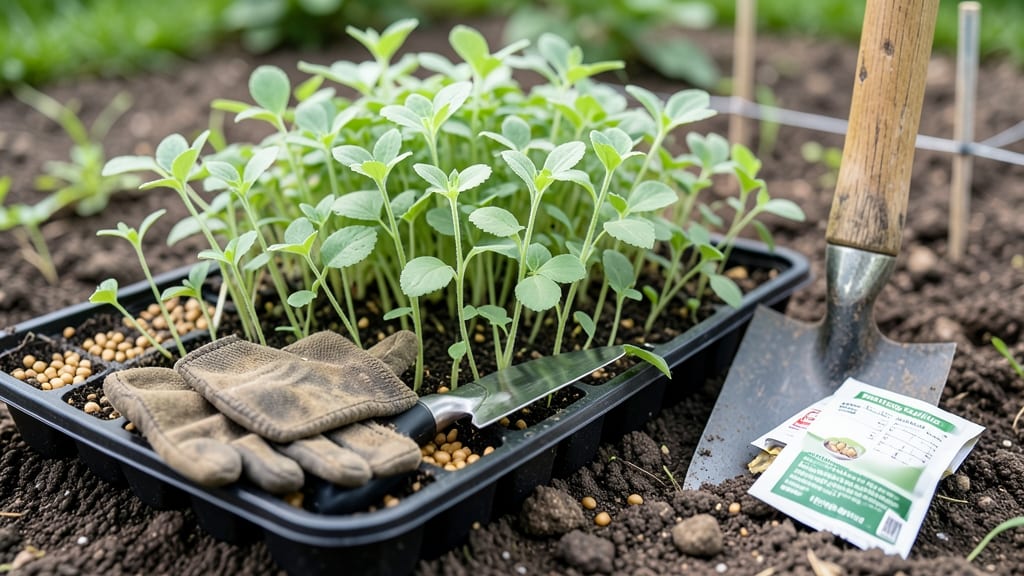
Optimal soil temperature & frost-free timing for alfalfa germination
Alfalfa seeds need precise conditions to germinate successfully in spring. The ideal soil temperature range for planting is between 50°F and 60°F. Below 50°F, seeds may rot or fail to sprout, while temperatures above 60°F can cause uneven germination.
Using a soil thermometer ensures you plant at the perfect time—this simple tool can save you from wasted seeds and disappointment.
Most gardeners aim to plant alfalfa 4-6 weeks before the last expected frost date in their region. For example, in USDA Zone 6a (like much of the Midwest), this typically means planting in early to mid-March.
However, in warmer regions like Zone 9a (southern California or Florida), you can start as early as late January—just ensure soil temperatures meet that 50-60°F threshold.
Frost is the biggest enemy of young alfalfa seedlings. Even a light frost can stunt growth or kill tender sprouts. Always check your local frost-free date (available from the National Weather Service or Old Farmer’s Almanac) and plant accordingly.
If your area has unpredictable spring weather, consider using a cloche or row cover to protect seedlings until they’re established.
Here’s a pro tip: If your soil is still too cold but you’re eager to plant, try pre-sprouting seeds indoors for 2-3 days. Place damp paper towels in a sealed container with seeds, then transfer them to the garden when soil warms up.
This gives you a head start on the growing season!
🌱
| Factor | Ideal Condition | Actionable Tip |
|---|---|---|
| Soil Temperature | 50°F–60°F | Use a soil thermometer to check depth of 1–2 inches. |
| Frost-Free Window | 4–6 weeks before last frost | Plant in March (Zone 6a) or February (Zone 9a). |
| Seed Depth | 1/4 inch deep | Lightly cover seeds with soil or compost. |
| Germination Time | 7–14 days | Keep soil moist but not soggy during this period. |
| Sunlight Needs | Full sun (6–8 hours/day) | Choose a south-facing plot for best results. |
Regional differences play a huge role in alfalfa planting success. In northern climates (Zones 3–5), wait until the soil has warmed to at least 50°F, which might mean delaying planting until late April or early May.
Meanwhile, in southern climates (Zones 8–10), you can plant as early as January or February, but avoid planting during extreme heat—seeds can dry out before germinating.
One common mistake is assuming that "spring" starts on March 20th (the vernal equinox). Instead, focus on soil temperature and frost dates, not the calendar. For example, in Zone 7b, March might still be too cold, while April could be ideal.
Always verify with a local extension office or weather app for the most accurate frost predictions.
If you’re unsure about your local conditions, start seeds indoors in biodegradable pots 4–6 weeks before the last frost. Transplant seedlings outdoors once soil temperatures stabilize. This method gives you more control over the germination process and reduces the risk of frost damage.
💧
Remember, alfalfa is a perennial crop that thrives with proper timing. By planting at the right soil temperature and protecting seedlings from frost, you’ll set the stage for a lush, weed-competing forage crop that can last for years.
Next, we’ll cover how to adjust your planting schedule for faster germination and better weed control—stay tuned!
Optimal soil temperature & frost-free timing for alfalfa germination
Alfalfa seeds need consistent warmth to germinate, and planting too early in cold soil can leave them rotting in the ground. The sweet spot for soil temperatures is between 50°F and 60°F—any cooler, and germination slows dramatically.
In my USDA Zone 6a garden, I’ve learned that waiting until mid-April (after the last frost) gives seeds the best chance to sprout within 7-14 days.
To check your soil’s readiness, use a soil thermometer—it’s the only way to avoid guesswork. Many gardeners mistakenly plant alfalfa in early spring when soil temps are still chilly, only to watch their seeds fail to sprout. Patience pays off here; rushing leads to disappointment.
| Factor | Ideal Condition | USDA Zone 6a Example |
|---|---|---|
| Soil Temperature | 50-60°F (10-15°C) | Mid-April (after last frost) |
| Frost-Free Window | 4-6 weeks before last frost | Early March planting |
| Germination Time | 7-14 days | Fastest in warm soil |
| Sunlight Needs | 6-8 hours daily | Full south exposure |
In northern regions (Zones 3-5), aim for late April or early May when soil warms up. Meanwhile, southern gardeners (Zones 7-10) can plant as early as February, but watch for sudden cold snaps.
I always mark my last frost date on the calendar and plant alfalfa seeds 4-6 weeks before that date to ensure they’re established before summer heat arrives.
One trick I’ve picked up is using black plastic mulch to warm the soil faster. Lay it down a week before planting to raise soil temps by 5-10°F—this is especially helpful in cooler climates. Just remove it once seedlings emerge to prevent overheating.
If you’re unsure about your local frost dates, check the USDA Plant Hardiness Zone Map or ask your local cooperative extension office. They’ll provide precise data tailored to your area, which is far more accurate than general advice. Timing is everything with alfalfa!
Remember, alfalfa seeds are tiny and delicate. Planting them in cold, wet soil is a recipe for rot, while waiting too long means weeds will outcompete your seedlings. Strike that balance, and you’ll have a lush, nitrogen-rich crop by summer.