
Plants
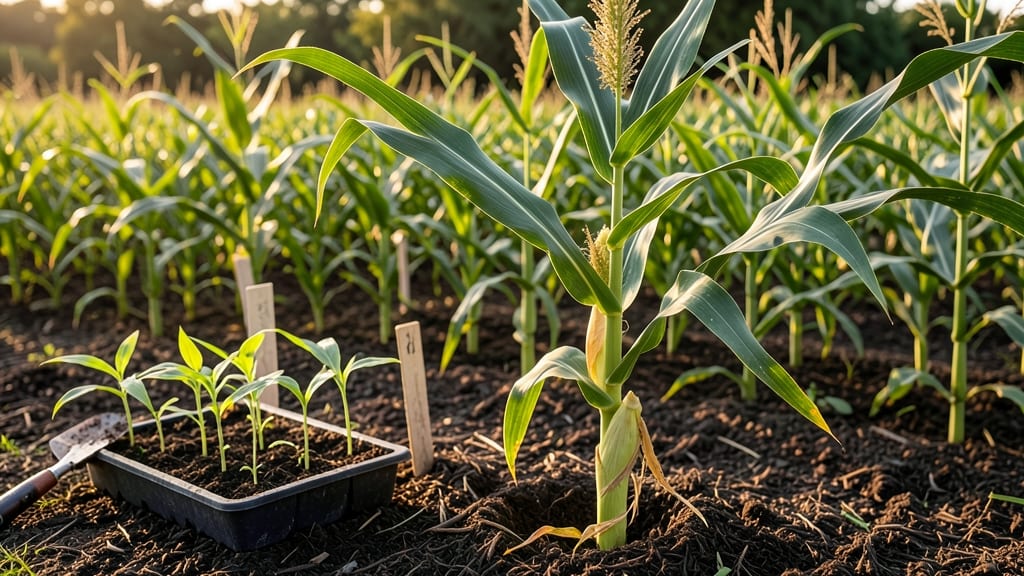
Planting corn in Zone 5 at the wrong time can mean the difference between a bountiful harvest and a sad, frost-nipped failure. The key is timing—waiting until after the last frost when soil temperatures hit at least 50°F, which typically lands in mid-April to mid-May.
Get this wrong, and you risk stunted growth or worse, losing your entire crop before it even matures.
I’ve grown corn in Zone 5 for years, and the 3-week window between last frost and peak planting is where most gardeners trip up. Too early, and cold soil slows germination; too late, and your corn won’t have enough time to reach harvest before fall.
The good news? With the right variety and a little preparation, you can still enjoy sweet, juicy ears from late July through September.
Here’s what you need to know: soil warmth matters more than calendar dates, and choosing the right corn variety for your specific microclimate can make or break your yield.
Whether you’re a first-time gardener or a seasoned pro, these exact steps will help you avoid common mistakes and maximize your harvest. Let’s dive into the details so you can plant with confidence.
From selecting frost-tolerant varieties to adjusting for early or late springs, I’ll walk you through every critical factor. By the end, you’ll know exactly when to plant your corn in Zone 5—and how to give it the best shot at thriving until harvest time.
Zone 5 corn planting timeline: exact weeks before last frost for best results
Corn thrives in Zone 5 when planted at the perfect moment—after the last frost but before soil temperatures drop below 50°F (10°C). In Zone 5, this typically means aiming for mid-April to mid-May, but exact timing depends on your corn's maturity days and local frost patterns.
Early varieties need 60-75 days to harvest, while late varieties stretch to 100+ days, so adjust accordingly.
Zone 5’s growing season is short—only about 160 frost-free days—so choosing the right planting window ensures your corn reaches maturity before fall frosts strike.
For example, a 75-day variety planted in early May will likely mature by late July, while a 100-day variety needs to be in the ground by mid-April to avoid frost damage.
Here’s the key: Plant early varieties 2-3 weeks after your last frost date, mid-season varieties 1-2 weeks after, and late varieties right after frost. This balances risk and reward, giving your corn the best shot at a full harvest before mid-October’s first frost.
🌱
| Corn Maturity | Zone 5 Planting Window | Soil Temp Requirement | Frost Risk |
|---|---|---|---|
| Early (60-75 days) | Late April to early May | 50-55°F (10-13°C) | Low (harvests before frost) |
| Mid-Season (75-90 days) | Mid-April to mid-May | 55-60°F (13-16°C) | Moderate (harvests in August) |
| Late (90-120 days) | Early to mid-April | 60°F+ (16°C+) | High (harvests in September) |
Your local last frost date is your best guide, but don’t rely solely on averages. Check soil temperatures with a soil thermometer—corn seeds won’t germinate well below 50°F (10°C). If your soil is still cold, wait a week or two. Patience here prevents wasted seeds and stunted plants.
For southern Zone 5 (e.g., parts of Virginia or Missouri), you might push planting to early April, while northern areas (e.g., Minnesota or Maine) should wait until late April or early May. Use your USDA Plant Hardiness Zone Map to fine-tune your timing.
Another pro tip: Plant in blocks, not rows. Corn is wind-pollinated, so spacing plants in a square (e.g., 4x4 feet) ensures better pollination and fewer empty ears. This is especially critical in Zone 5, where shorter seasons can limit plant growth.
If you’re unsure about frost dates, use a frost-free date calculator or sign up for local weather alerts. Some gardeners even plant a test row a week early to monitor soil warmth and adjust their main planting accordingly.
Finally, don’t forget that succession planting can extend your harvest. If you have space, plant a second batch of early-maturing varieties in early June for a late-summer crop, provided your soil is still warm enough.
☀️
5 Critical factors that determine your Zone 5 corn planting success
Planting corn in Zone 5 isn’t just about avoiding frost—it’s about understanding the hidden factors that can make or break your harvest. I’ve grown corn here for years, and these 5 critical factors consistently separate the successful gardeners from those with empty stalks.
Let’s dive into what truly matters beyond the calendar.
First, soil temperature is non-negotiable. Corn seeds won’t germinate until the soil reaches 60°F (15°C). Using a soil thermometer for 3-5 days before planting ensures your seeds won’t sit dormant in cold earth. I’ve lost entire plantings by ignoring this—don’t make the same mistake!
| Factor | Zone 5 Specification | Why It Matters |
|---|---|---|
| 1. Soil Temperature | ≥60°F (15°C) | Seeds won’t germinate below this |
| 2. Frost-Free Backup | Use May 15 as cutoff | Late frosts can kill seedlings |
| 3. Microclimate | South-facing beds warm faster | Can extend growing season by 1-2 weeks |
| 4. Seed Viability | Plant within 2 years of harvest | Old seeds = poor germination |
| 5. Planting Depth | 1-1.5 inches deep | Too deep = weak seedlings |
Your microclimate plays a bigger role than most gardeners realize. A south-facing bed can be 5-10°F warmer than a north-facing one, giving you an earlier start. I’ve seen corn planted in sheltered microclimates thrive when the same variety failed just 20 feet away in open ground.
Scout your garden before planting—this simple step can add 1-2 critical weeks to your growing season.
Don’t overlook seed viability. Corn seeds lose viability quickly—plant only those harvested within the last 2 years. I once used 3-year-old seeds and achieved only a 30% germination rate.
Test a few seeds in a damp paper towel for 3 days to check viability before committing your entire planting. A quick test now saves hours of frustration later.
Finally, planting depth affects germination rates. Bury seeds 1-1.5 inches deep—any deeper and they’ll struggle to break through the soil. I’ve seen seedlings emerge in just 7-10 days when planted correctly, but take 3 weeks when buried too deep.
Use your finger to create firm, even depths for consistent results.
Master these factors, and you’ll transform your Zone 5 corn from a gamble into a reliable harvest. Start with soil temperature, then adjust for your microclimate—your future ears of corn will thank you! 🌽