
Plants
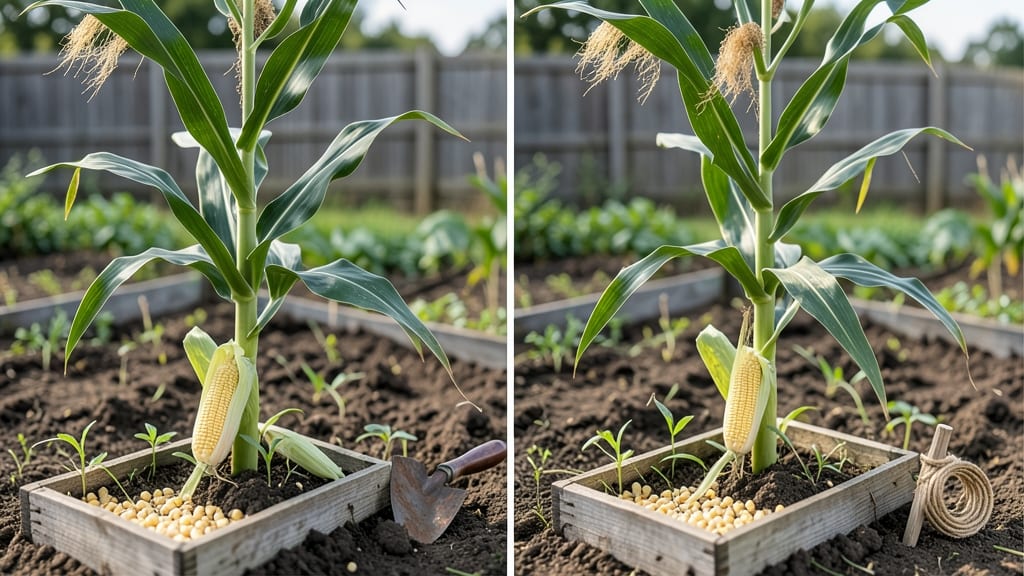
Timing your 🌽 corn planting in South Carolina can make or break your harvest—especially when unpredictable spring frosts or scorching summer heat throw off your schedule.
If you've ever watched your tender seedlings wilt overnight or struggled to pick corn before the birds get to it, you know how critical those mid-April to early June windows really are.
Here's the truth: planting too early risks frost damage, while waiting too late might leave you racing against summer's heat. But with the right USDA 7b-8a zone strategy, you can align your planting with nature's rhythm—no guesswork required.
I'll break down exactly when to start seeds indoors, when to direct-sow outdoors, and how to adjust for your specific region's microclimate.
You'll also discover how to choose varieties that thrive in South Carolina's 210 frost-free days, from early-maturing sweet corn for summer feasts to heat-tolerant field corn for fall storage.
Whether you're a first-time gardener or a seasoned pro, these insights will help you avoid common mistakes and maximize your yield.
Let's dive into the science-backed planting calendar that's helped local farmers and home gardeners alike secure a late July to early October harvest—just in time for grilling season. Your corn patch's success starts with getting these timing details right.
South Carolina corn planting calendar: frost-free dates & heat-zone map by region
South Carolina’s diverse climate—from the coastal lowlands to the mountainous upstate—creates wildly different planting windows for corn. The average last frost date ranges from March 15 in Charleston to April 15 in Greenville, while first frost arrives as early as October 15 in the mountains.
These variations mean your planting schedule must align with your USDA hardiness zone (5a-8a) and microclimate.
For most of South Carolina, the ideal planting window spans mid-April to early June, but adjustments are critical. Sweet corn varieties (like Silver Queen) need 90-120 frost-free days to mature, while dent corn (for animal feed) can handle longer seasons.
Planting too early risks frost damage; too late, and summer heat stress stunts growth. Let’s break it down by region.
🌱 PRO TIP: Use the soil thermometer trick—corn won’t germinate well below 60°F. Wait until the soil (not air) consistently hits this temp, usually 2-3 weeks after last frost in most of SC.
🌽 South Carolina Corn Planting Calendar by Region
| Region | USDA Zone | Avg. Last Frost | Ideal Planting Window | Heat-Zone Notes |
|---|---|---|---|---|
| Coastal (Charleston, Myrtle Beach) | 8a | March 15 | Late March–mid-April | Humid summers; watch for fungal diseases. Plant early-maturing varieties (60-70 days). |
| Piedmont (Columbia, Florence) | 7b | March 30 | Mid-April–early May | Moderate heat; mid-season varieties (75-90 days) thrive here. |
| Upstate (Greenville, Spartanburg) | 7a-6b | April 15 | Early May–mid-June | Cooler nights; late varieties (90+ days) can succeed with row covers. |
| Mountains (Asheville, Caesars Head) | 6b-5a | April 30 | Late May–early June | Short season; prioritize dwarf varieties (e.g., 'Golden Bantam') and extended-season tactics. |
📍 Check your local extension office for 5-year frost averages—these dates shift yearly!
If you’re in Zone 8a (coastal), you can squeeze in two plantings: one in late March for early summer harvests and another in early June for fall corn.
But in Zone 6b (mountains), a single late-May planting is your best bet—unless you’re using row covers to push the season.
South Carolina’s summer heat (often exceeding 90°F) can stress corn, especially during pollination (when tassels emerge). To mitigate this, plant heat-tolerant varieties like 'Peaches and Cream' or 'Bodacious' and ensure consistent watering (1-2 inches per week).
For reliable timing, I recommend setting a calendar reminder for 2 weeks after your average last frost date. Use a soil thermometer to confirm the ground is 60°F+—this is non-negotiable for germination.
Pro growers in SC also watch the National Weather Service’s "Spring Leaf Out" data, as early blooming trees signal warming trends.
One common mistake is planting based on air temperature alone. Soil warms slower than air, especially in shady or clay-heavy soils. Test your garden’s microclimate by planting a test row 2 weeks early—if it sprouts, you’re safe to proceed.
🌡️ HEAT ALERT: If your area hits 100°F+ during pollination, corn ears may develop "blind" spots (no kernels). Increase watering to daily deep soaks and use shade cloth during peak heat.
Best corn varieties for South Carolina: sweet, field, and popcorn planting times
South Carolina’s humid subtropical climate demands corn varieties that thrive in heat and humidity while resisting common pests like corn earworms and diseases like southern blight. The right variety can mean the difference between a bountiful harvest and a disappointing yield, especially when summer temperatures soar.
Let’s break down the best corn types for SC and their ideal planting windows.
Sweet corn is the most popular choice for home gardeners, but field corn and popcorn also grow well in SC’s USDA zones 7b-8a. Each type has unique maturity timelines and heat tolerance, so timing your planting is critical.
For example, early-maturing varieties like Silver Queen (60-70 days) are perfect for late April plantings, while heat-tolerant varieties like Peaches and Cream (85-90 days) can handle June plantings without bolting.
| Variety | Type | Days to Maturity | Best Planting Window | Heat Tolerance | Notes |
|---|---|---|---|---|---|
| Silver Queen | Sweet Corn | 60-70 | Late April–early May | Moderate | Classic flavor, great for early harvests |
| Peaches and Cream | Sweet Corn | 85-90 | May–early June | High | Drought-resistant, ideal for summer heat |
| Golden Bantam | Sweet Corn | 70-80 | Late April–May | Moderate | Compact, good for small gardens |
| Country Gentleman | Field Corn | 100-110 | Early May | Very High | Drought-tolerant, great for animal feed |
| Strawberry Popcorn | Popcorn | 90-100 | May–June | High | Sweet flavor, great for popping |
If you’re planting sweet corn, aim for two or more varieties with staggered maturity dates to ensure a continuous harvest. For example, plant Silver Queen in late April for an early July harvest, then follow with Peaches and Cream in early May for a late August harvest.
This strategy also reduces cross-pollination risks and maximizes your edible corn window.
For field corn (used for animal feed or grinding), opt for late-maturing varieties like Country Gentleman, which can handle SC’s long, hot summers. These varieties thrive when planted in early May and won’t bolt prematurely, even in 90°F+ temperatures.
If you’re growing popcorn, varieties like Strawberry Popcorn are perfect for June plantings and offer a sweet, flavorful kernel when popped.
Pro tip: Always check the seed packet for days to maturity and count backward from your average first frost date (November 15). For example, if a variety takes 90 days to mature, plant it by early August to ensure harvest before frost.
In SC, this means June plantings are your last chance for a successful harvest.
Finally, consider soil preparation and pest prevention when choosing varieties. Amend your soil with compost or aged manure to improve drainage, and use row covers early in the season to deter corn earworms. With the right variety and timing, you’ll enjoy homegrown corn from late July through October! 🌽