
Companion Plants
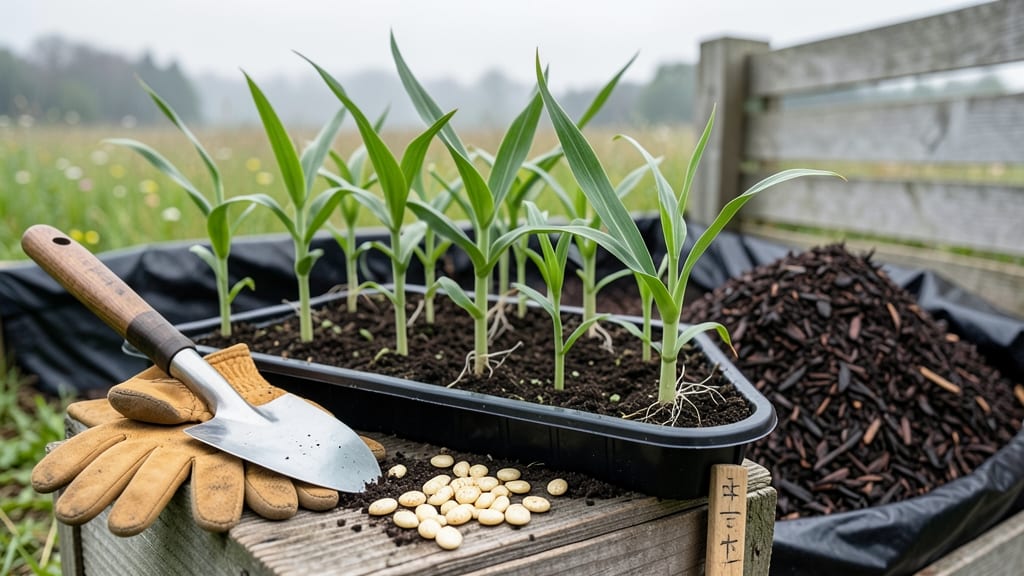
If you're dreaming of a bountiful corn harvest this summer, timing your planting in Zone 7 is absolutely everything. Plant too early, and your 🌽 might rot in cold soil; too late, and you risk stunted ears before frost.
The difference between a thriving garden and a disappointing one often comes down to those critical weeks before your last frost date.
I’ve grown corn in Zone 7 for years, and I’ve learned the hard way that soil temperature matters just as much as the calendar. You can’t just follow a generic planting chart—your location’s microclimate (coastal vs. inland) shifts those windows by 2-3 weeks.
Let me break down the exact science so you can plant with confidence and avoid common mistakes.
What you’ll discover here isn’t just a vague "spring planting" suggestion—it’s a precise timeline tailored to Zone 7’s frost patterns, soil warmth thresholds, and even how to stretch your growing season for multiple harvests.
Whether you’re a first-time gardener or a seasoned pro, these insights will help you plan for peak yield and avoid the heartbreak of wasted seeds.
Ready to turn your garden into a cornucopia? Let’s dive into the exact weeks to plant, how to adjust for your specific Zone 7 subregion, and why some varieties outperform others in your climate. Your future harvest depends on it!
Zone 7 corn planting timeline: exact weeks before last frost for optimal growth
Corn thrives when planted at the right time in Zone 7, where average last frost dates range from March 15 to April 15 depending on your subregion.
For most varieties, aim to plant 2 to 3 weeks after your last frost date—this ensures warm soil and avoids cold snaps that stunt growth. Soil temperature is critical: corn seeds won’t germinate well below 50°F (10°C), but ideal planting occurs when soil reaches 60°F (15°C) or warmer.
In Zone 7, this typically translates to planting between mid-April and early May. However, coastal areas may have earlier last frosts (around March 15), while inland regions might delay until late April.
Always verify your local frost dates using the USDA Plant Hardiness Zone Map or a microclimate tool for precision. Corn’s 90-day growth cycle means late plantings risk immature harvests before frost.
For sweet corn, which is more sensitive to heat stress, prioritize planting in early spring (April) to avoid summer drought or early fall frosts. Field corn, used for animal feed or grain, can tolerate slightly later plantings but benefits from the same warm-soil rules.
Both types need consistent moisture and full sun (6+ hours daily) to thrive.
🌽 Zone 7 Corn Planting Summary
| Stage | Action | Timing |
|---|---|---|
| Soil Prep | Test pH (6.0–7.0), add compost | Late winter |
| Planting | Direct sow seeds 1" deep, 12" apart | Mid-April to early May |
| Germination | Keep soil moist (60°F+) | 7–14 days |
| Thinning | Remove weak seedlings, leave 12" spacing | 2–3 weeks after sprouting |
| Harvest | Pick when silk turns brown, kernels firm | Late summer to fall |
🌱 Pro Tip: Use a soil thermometer to confirm 60°F+ before planting.
If you’re unsure about your exact last frost date, use a local weather app or check with your county extension office. For example, Atlanta, GA (Zone 7b) typically sees its last frost around April 1, while Raleigh, NC (Zone 7a) averages March 25.
Adjust your planting by 1–2 weeks based on these regional differences to avoid frost damage.
Corn also benefits from warm nights, so avoid planting too early when nighttime temperatures dip below 55°F (13°C).
If you’re in a cooler microclimate (e.g., near a lake or high elevation), opt for early-maturing varieties (60–75 days to harvest) to ensure a full cycle before fall frosts. Succession planting every 2 weeks can extend your harvest window by 4–6 weeks.
Another key factor is pollination. Corn is wind-pollinated, so plant blocks (not rows) of at least 4 rows × 4 plants to ensure proper cross-pollination. If you’re growing multiple varieties, separate them by ¼ mile to prevent cross-contamination.
Poor pollination leads to blind ears (ears with few or no kernels), so timing is everything.
For organic gardeners, enrich soil with compost or aged manure 2–3 weeks before planting. Corn is a heavy feeder, so side-dress with nitrogen-rich fertilizer (like blood meal) when plants reach 12 inches tall.
Avoid over-fertilizing with nitrogen, which can reduce ear size. Mulch with straw or grass clippings to retain moisture and suppress weeds.
Finally, monitor your corn’s progress with a growth chart. Most varieties reach tasseling (male flowers) around 60 days and silking (female flowers) shortly after. If silks turn brown before pollination, your corn may not set ears—this is a sign of late planting or drought stress.
Adjust watering to 1–2 inches per week during tasseling and silking for best results.
By following this Zone 7 planting timeline, you’ll give your corn the best chance to mature fully before fall frosts. Next, we’ll cover how to troubleshoot common timing mistakes and extend your harvest season with succession planting. 🌽
How to adjust your corn planting schedule for peak yield in Zone 7
Zone 7 gardeners face a unique challenge: balancing early planting risks with late-season frost threats. Corn thrives when soil temperatures hit 60°F+, but planting too soon can lead to cold soil stunting or poor germination. Meanwhile, waiting too late risks incomplete pollination before fall frosts arrive.
Your planting window in Zone 7 is typically 2-4 weeks after your last frost date, but this varies by subregion. Coastal areas (like Zone 7b) may start earlier, while inland zones (like Zone 7a) need to wait longer for stable warmth.
Always check your average last frost date—most Zone 7 gardeners fall between mid-April and early May.
🌽 Pro Tip: Use a soil thermometer to confirm 60°F+ soil temps at 4-inch depth. Corn seeds won’t sprout reliably below this threshold, even if air temps are warm.
⚠️ Critical Timing Mistakes to Avoid
Planting too early: Cold soil (50°F or below) causes seeds to rot or sprout unevenly.
Planting too late: Corn needs 90-120 days to mature—late starts risk frost damage before harvest.
Skipping succession planting: One planting may not yield enough for your family’s needs.
For peak yield, consider succession planting every 2 weeks after your initial sowing. This stretches your harvest window and reduces risk from unpredictable weather. Choose fast-maturing varieties (like 'Early Sunglow') for your later plantings—they’ll still produce ears before frost.
If you’re in a cooler microclimate (e.g., near a lake or at higher elevation), opt for black plastic mulch to warm soil faster. This can shave off 1-2 weeks of your planting timeline. Just remove it after 6 weeks to prevent overheating.
🌱 Final Check: Calculate your first frost date (typically mid-October in Zone 7) and work backward. Corn needs at least 90 days to maturity—if your variety takes 110 days, start no later than early July for a fall harvest.