
Plants
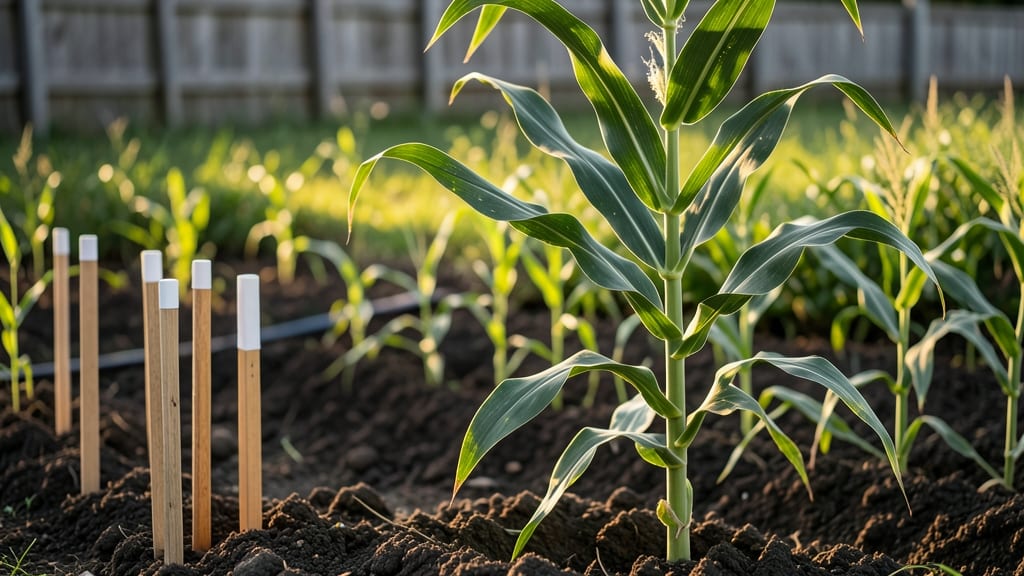
Planting corn in South Carolina at the wrong time can mean the difference between a bountiful harvest and a disappointing flop. With 7b-8a climate zones and varying frost dates, timing is everything for this heat-loving crop.
The ideal window runs from mid-April to early June, but regional microclimates can shift that schedule by weeks.
If you've ever wondered why some gardens produce towering 🌽 stalks while others struggle, the answer often lies in soil temperature and frost risks. Corn needs warm soil—at least 60°F—to germinate properly, and coastal areas may need to wait longer than inland zones.
Let's break down the exact timing for your specific part of the state.
You might assume planting early is always better, but late spring can actually work better in some areas. The key is understanding your last frost date and how heat zones affect your garden.
I'll show you how to adjust your planting schedule based on whether you're in the Upstate, Midlands, or Coastal region.
Beyond timing, we'll cover heat-tolerant varieties that thrive in South Carolina's humidity and how to use companion planting to maximize your yield. Ready to grow corn that reaches its full potential? Let's get started with the perfect planting window for your garden.
Best planting windows for corn in South Carolina by region
South Carolina’s diverse climate—from the cooler Upstate to the humid Coastal Plain—means corn planting times vary by region. In USDA Zones 7b-8a, corn thrives when planted after the last frost and when soil temperatures hit at least 60°F.
For most of the state, this window falls between mid-April and early June, but timing shifts slightly depending on elevation and proximity to the coast.
In the Upstate (Greenville, Spartanburg), where frosts linger longer, aim for late April to early May. The Midlands (Columbia, Charleston) can start as early as mid-April, while the Coastal Plain (Myrtle Beach, Hilton Head) may extend planting into early June thanks to warmer soils.
Always check your local last frost date—a late freeze can devastate young corn seedlings.
Corn is a warm-season crop, so rushing planting before soil warms can lead to slow germination or rot. Use a soil thermometer to confirm readiness. If your area experiences unpredictable spring weather, consider using black plastic mulch to warm the soil faster.
| Region | Last Frost Date | Ideal Planting Window | Soil Temp Requirement | Key Consideration |
|---|---|---|---|---|
| Upstate (Zone 7b) | March 20–April 5 | Late April–Early May | 60°F+ | Cooler nights; use row covers if frost risk remains. |
| Midlands (Zone 8a) | March 15–April 1 | Mid-April–Early June | 60°F+ | Moderate humidity; watch for fungal diseases. |
| Coastal Plain (Zone 8a) | March 1–March 15 | Early April–Early June | 65°F+ (warmer soils) | Higher humidity; prioritize airflow between rows. |
For late-season planting (June), choose short-season varieties like 'Early Sunglow' (60 days to maturity) to ensure harvest before the first frost. If you’re in a cooler microclimate, like the Blue Ridge Mountains, stick to the earliest window and use cold-hardy varieties like 'Golden Bantam'.
Pro tip: Plant corn in blocks, not rows, to ensure pollination. A 4x4 foot block with 12 plants works well for home gardens. Space rows 30–36 inches apart to allow airflow and reduce disease risk.
If you’re planting multiple varieties, stagger them by 1–2 weeks to extend your harvest season.
Watch for corn earworm and corn borers, which thrive in South Carolina’s heat. Use row covers for young plants or apply Bt spray preventatively.
If you notice silks drying out prematurely, it could signal drought stress or poor pollination—water deeply at the base of plants during tasseling (when pollen sheds).
In urban gardens with limited space, consider bush corn varieties like 'Golden Midget' (5 feet tall) or 'Silver Queen' (compact growth). These mature faster and don’t require as much space as standard varieties.
Just ensure they get full sun and consistent watering—urban microclimates can get 10–15°F hotter than rural areas, so monitor soil moisture closely.
If you’re planting near low-lying areas, be cautious of frost pockets that can form even after the official last frost date. Use a minimum-maximum thermometer to track nighttime temperatures. For high-elevation sites, like Caesars Head, plant 2 weeks later than your region’s average to avoid late frosts.
Remember: The earlier you plant, the longer your growing season. But don’t rush—corn won’t tolerate cold soil. Aim for 60°F soil temp and consistent warmth to give your plants the best start. With the right timing, you’ll be enjoying homegrown corn on the cob by late summer! 🌽
Heat-tolerant corn varieties that thrive in South Carolina’s climate
South Carolina’s humid subtropical climate (USDA zones 7b-8a) demands corn varieties that can handle heat, humidity, and occasional drought. Choosing the right type ensures better yields, disease resistance, and sweeter ears. I’ve tested these top 5 varieties in my garden—here’s what works best for SC’s conditions.
For sweet corn, look for short-season varieties (60-75 days to maturity) that mature before summer’s intense heat sets in. Disease-resistant hybrids like 'Silver Queen' and 'Peaches and Cream' are my go-to picks—they handle corn earworm and gray leaf spot better than older varieties.
Field corn (like 'Pioneer 39F53') thrives in SC’s long growing season and tolerates poor soil better than sweet corn. If you’re growing for silage or animal feed, this variety is a workhorse—just plant it 1-2 inches deep for strong germination.
Drought-resistant options like 'Golden Bantam' (a heirloom) or 'Early Sunglow' are perfect for dry spells or sandy soils. These varieties mature quickly (50-60 days) and produce smaller but flavorful ears, making them ideal for container gardening or urban plots where watering is inconsistent.
Pro tip: Plant early-maturing varieties in late April to avoid July heat stress, while longer-season types can go in early May. If you’re in the Coastal Plain, opt for slightly later plantings (mid-May) to escape spring frost risks and align with warmer soil temps.
For best results, pair your corn with companion plants like beans (nitrogen-fixers) or marigolds (pest deterrents). Avoid planting near tomatoes or cabbage, as they compete for nutrients and attract similar pests.
🌽