
Plants
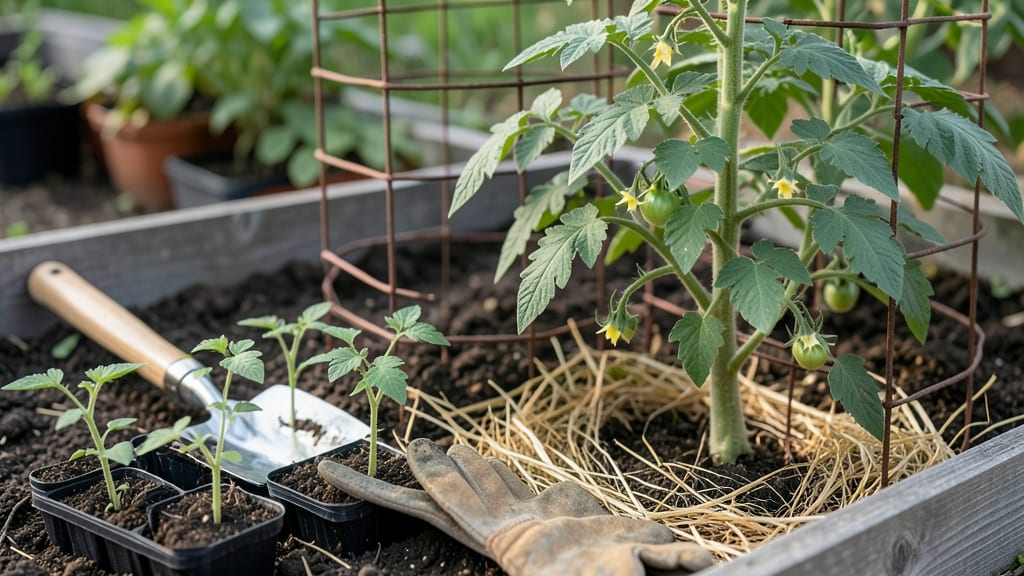
Timing when do you plant tomatoes in South Carolina could make or break your harvest—especially when those unpredictable spring showers roll in like clockwork.
Whether you're a first-time gardener or a seasoned green thumb, getting those 🍅 seeds in the ground at the right moment means the difference between a lush, vine-loaded bounty and a sad, wilted disappointment.
The key is understanding your local microclimate, whether you're in the coastal lowlands of Charleston or the Piedmont hills near Columbia.
With USDA zones 7b-8a, you’ve got a narrow window between frost dates—usually mid-April to early June for spring planting—to avoid those early cold snaps that can stunt young plants. But don’t worry: we’ll break down exactly when to start seeds indoors and when to transplant seedlings for maximum success.
And here’s the good news: South Carolina’s long growing season means you can also plant a second crop in late July or early August for a fall harvest. That’s right—you could be enjoying homegrown tomatoes well into November if you time it just right.
Ready to learn the exact dates, soil temperature tricks, and heat-tolerant varieties that thrive in our summer heat? Let’s dive in.
From extending your season with row covers to choosing the best tomato types for your zone, I’ll walk you through every step so you can confidently plant, grow, and harvest like a pro. No more guessing games—just a foolproof plan tailored to South Carolina’s unique climate.
South Carolina tomato planting timeline by hardiness zones (7A, 7B, 8A)
Getting your tomatoes in the ground at the right time in South Carolina is all about beating the last frost while avoiding scorching summer heat. The state spans USDA Zones 7A-8A, with coastal areas (like Charleston) in Zone 8A and inland regions (like Greenville) in Zone 7B.
These zones dictate your planting window, which typically runs from mid-April to early June for spring and late July to early August for fall.
For most gardeners, the last frost date in South Carolina falls between mid-March and early April, but waiting until two weeks after this date ensures your plants won’t get nipped by surprise cold snaps.
Soil temperature is just as critical—tomatoes thrive when soil reaches 60°F or warmer. A soil thermometer is your best friend here, as cooler soil can stunt root growth and delay fruiting.
In Zone 7A (e.g., Upstate SC), you’ll want to start transplanting seedlings no earlier than mid-April, while Zone 8A gardeners can push that window to late March.
Coastal areas benefit from a longer growing season, but inland zones may need to rely on row covers or cold frames to extend early-season planting.
| Zone | Last Frost Date | Ideal Transplant Window | Soil Temp Threshold | Fall Planting Window |
|---|---|---|---|---|
| 7A (Upstate) | Mid-April | Mid-April to May 15 | 60°F+ | Late July to Aug 10 |
| 7B (Piedmont) | Early April | Late March to May 1 | 60°F+ | Late July to Aug 5 |
| 8A (Coastal) | Late March | Late March to April 30 | 60°F+ | Early July to Aug 1 |
If you’re starting tomato seeds indoors, begin them 6-8 weeks before your target transplant date. For Zone 7A, that means sowing seeds by mid-February, while Zone 8A gardeners can start as early as late January.
Use a grow light to prevent leggy seedlings, and harden them off for 7-10 days before moving them outside.
For fall planting, the goal is to get seeds in the ground 80-90 days before the first frost, which typically hits South Carolina between mid-November and early December.
This means late July to early August is your sweet spot for fall transplants. Choose heat-tolerant varieties that can handle the transition from summer heat to cooler autumn temps without stress.
Pro tip: Use black plastic mulch to warm the soil faster in spring and retain moisture during summer’s dog days. This trick can shave 1-2 weeks off your planting timeline by creating a microclimate that’s 5-10°F warmer than bare soil. Just
Don’t forget about succession planting! In South Carolina’s long growing season, you can stagger plantings every 2-3 weeks from April through July to ensure a continuous harvestcherry tomatoes, which ripen faster and are perfect for snacking straight off the vine.
Watch for unpredictable weather patterns—South Carolina’s spring can swing from freezing nights to 90°F days in a week. Keep an eye on your local Cooperative Extension Service for updated frost forecasts, and always have row covers on hand to protect young plants if a late frost sneaks in.
Timing is everything, but so is patience. Rushing your tomatoes into cold soil or transplanting too early can set your crop back by weeks. Play it safe, follow your zone’s guidelines, and soon you’ll be swimming in homegrown tomatoes from June through October.
Heat-tolerant tomato varieties that thrive in South Carolina’s summer heat
South Carolina’s summer heat (often exceeding 90°F) can stress tomatoes, causing blossom drop, sunscald, or cracked fruit. The key to success? Choosing heat-tolerant varieties that resist wilting and produce even under intense sun.
I’ve grown these top performers in my Zone 8A garden, and they consistently deliver—whether you prefer sweet cherries, juicy beefsteaks, or disease-resistant heirlooms.
Look for varieties labeled as "heat-tolerant" or "drought-resistant" on seed packets. These often have thicker skins, stronger root systems, and genes like heat-set (which triggers fruit formation without cool nights).
My go-to picks include ‘Celebrity’ (a classic for beginners), ‘Solar Fire’ (a cherry that thrives in 100°F+ temps), and ‘Heatmaster’ (a beefsteak that won’t crack in humidity). For heirlooms, ‘Cherokee Purple’ holds up surprisingly well with proper care.
🌱 Pro Tip: Pair these varieties with black plastic mulch to raise soil temps by 5–10°F and drip irrigation to keep roots cool. Avoid overhead watering—it stresses plants in the heat.
✅ Top Heat-Tolerant Varieties
- ‘Solar Fire’ – Cherry, red, disease-resistant, 55 days
- ‘Heatmaster’ – Beefsteak, red, crack-resistant, 75 days
- ‘Celebrity’ – Slicing, early producer, blight-resistant, 65 days
- ‘Arkansas Traveler’ – Heirloom, sweet, heat-adapted, 80 days
- ‘Mountain Merit’ – Cherry, yellow, prolific, 60 days
⚠️ Varieties to Avoid in SC Heat
- ‘Brandywine’ – Heat-sensitive, cracks easily
- ‘Roma’ – Needs cool nights for best flavor
- ‘Early Girl’ – Bolts in 90°F+ without shade
- ‘Black Krim’ – Thin-skinned, prone to sunscald
If you’re pushing your luck with fall planting (late July–early August), opt for fast-maturing varieties like ‘Stupice’ (45 days) or ‘Tiny Tim’ (dwarf, 50 days). These finish before the first frost while still benefiting from longer daylight hours in September.
Just be prepared to harvest early—fall tomatoes ripen quickly as temps drop.
For container gardening, ‘Patio’ or ‘Tiny Tim’ are ideal—they handle heat better in pots and produce earlier than larger varieties. Just ensure your container is at least 12 inches deep and use a lightweight potting mix to prevent root stress.
I’ve had great success with 5-gallon fabric pots filled with coco coir and perlite to improve drainage.
🌿 Remember: Even the toughest varieties need consistent watering (1–1.5 inches per week) and balanced fertilizer (like 5-10-10) to avoid nutrient burn in the heat. Skip high-nitrogen feeds—they encourage leafy growth at the expense of fruit.