
Plants
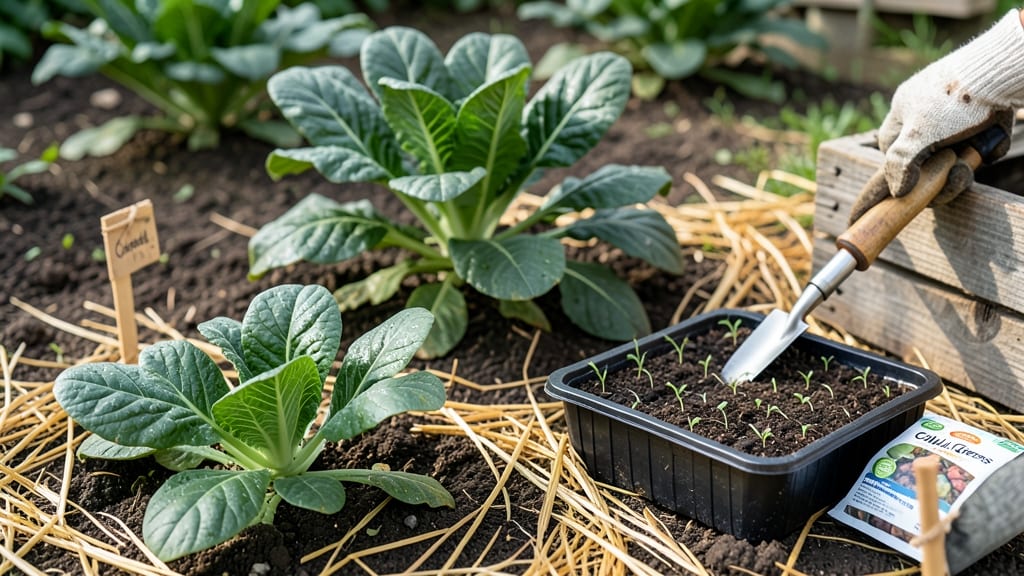
Planting collard greens in South Carolina might seem tricky with its mild winters and hot summers, but timing is everything for that perfect harvest.
The key is avoiding the brutal summer heat while taking advantage of the state's 8a climate, where these leafy greens actually thrive when planted just right.
If you've ever wondered why your collards taste bitter or bolt too early, it's probably because they got too hot or too cold at the wrong time.
I'll show you exactly when to plant them for tender, flavorful leaves—whether you're aiming for a spring bounty or a fall harvest before frost hits.
Most gardeners in SC get their best results by planting in late winter (February-March) or early fall (August-September), but there are heat tolerance tricks that can extend your growing season. Let me walk you through the ideal frost-free window and how to protect your plants when summer rolls around.
You'll discover how to time your planting for continuous harvests, avoid common mistakes, and even grow collards during summer with the right strategies. Ready to grow your best collard greens yet?
Best planting times for collard greens in SC: frost-free window guide
South Carolina’s USDA Zone 8a climate gives you two ideal windows to plant collard greens: late winter/early spring and early fall. These timings align with the state’s 210 frost-free days, ensuring your plants thrive without bitter flavors or stunted growth from heat stress.
For a spring harvest, start seeds indoors 4-6 weeks before your last frost date (typically February 15 in SC). Transplant seedlings outdoors by March 1 to avoid early cold snaps that can damage young plants. This timing lets you enjoy tender leaves by April or May.
If you prefer fall collards, sow seeds directly in the garden 6-8 weeks before the first frost (around September 15). This gives plants enough time to mature before November’s frost, delivering sweet, flavorful leaves through October and November.
Here’s a quick reference for SC’s planting windows, tailored to your region’s climate:
| Season | Planting Window | Key Notes |
|---|---|---|
| Spring | Indoors: January 15 | Outdoors: March 1 | Avoid transplant shock; harden off seedlings. |
| Fall | Direct sow: August 15-September 15 | Extend harvest with row covers if frost threatens. |
| Winter | October 1-November 1 (limited success) | Mild winters may allow slow growth; protect with mulch. |
Microclimates in SC—like coastal areas or mountain regions—can shift frost dates by 2-3 weeks. For example, Charleston’s warmer coastal zone may allow early February planting, while Upstate SC might need to wait until late March.
To adjust for your specific location, check your local frost dates (use the National Weather Service or SC Extension Service) and add 4-6 weeks before planting. This buffer ensures seedlings aren’t caught in unexpected cold snaps.
Collard greens are cold-hardy (tolerating temps down to 20°F), but they bolt (go to seed) in heat above 85°F. In SC’s summer months, focus on shade cloth or succession planting to avoid bitter leaves. We’ll cover heat tolerance tricks in the next section!
Pro tip: Direct-sow seeds in late summer for a fall crop—this skips the transplant shock that can stress seedlings. Use a soil thermometer to ensure soil temps are 50°F+ for germination.
Best planting times for collard greens in SC: frost-free window guide
South Carolina’s USDA Zone 8a climate gives you two perfect windows to plant collard greens: late winter/early spring and early fall. Timing matters because these leafy greens thrive in cool temperatures (60°F–75°F) but bolt (go to seed) when summer heat hits.
Let’s break down the exact frost-free windows and how to adjust for your microclimate.
For a spring harvest, aim to plant 4–6 weeks before your last frost date (mid-February). This means starting seeds indoors in January or sowing directly in February–early March.
In SC, the average last frost is February 15, so don’t wait too late—bolting can start as early as April if temps rise.
For a fall harvest, plant 6–8 weeks before your first frost (mid-November). This translates to August–early September for direct sowing. Fall-planted collards often taste sweeter after a light frost, but avoid planting too late—they need time to mature before winter chill sets in.
| Planting Window | Ideal Months | Temperature Range | Harvest Time |
|---|---|---|---|
| Spring | February–March | 60°F–75°F | April–May |
| Fall | August–September | 65°F–70°F | October–November |
Adjust for your microclimate: Coastal SC (e.g., Charleston) has milder winters, so you can plant 2–3 weeks later than inland areas (e.g., Columbia or Greenville). Use a frost calendar or local extension service data to fine-tune your timing—every week counts for avoiding bitter leaves!
Pro tip: Succession plant every 2 weeks in spring/fall for a continuous harvest. Space seeds 1 inch apart and thin to 12–18 inches once seedlings emerge. Mulch with straw or leaves to retain moisture and regulate soil temps—this keeps collards happy even if SC’s spring or fall weather swings.
Miss the ideal window? Don’t worry! Collards are cold-hardy down to 20°F, so you can even plant in late fall for a winter harvest. Just protect them with row covers if temps dip below freezing. The key is soil warmth—plant when soil temps hit 50°F+ for best germination.