
Plants
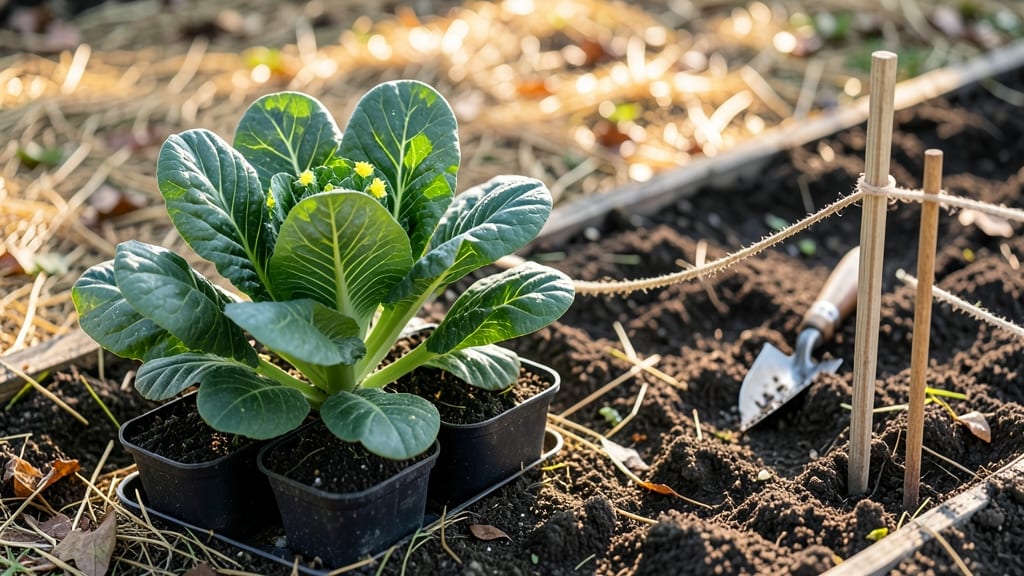
Timing your collard seed planting in North Carolina can mean the difference between a bumper crop of sweet, tender greens and a garden full of bitter, stunted plants. With the right schedule, you’ll enjoy fresh 🥬 harvests from spring through winter—no matter where you are in zones 7a-7b.
Most gardeners in NC focus on spring planting, but the real secret to year-round collards lies in fall sowing. By starting seeds between August 1 and September 15, you’ll catch that sweet spot where cool weather enhances flavor while avoiding the harshest winter freezes.
This approach gives you harvests from October straight through December.
Don’t let common mistakes derail your garden—like planting too early when soil temps are still chilly or ignoring frost dates. I’ll walk you through the exact windows for both spring and fall, plus how to adjust for your specific microclimate.
Whether you’re direct sowing or transplanting, these tips will help you maximize your yield.
Ready to turn your garden into a collard powerhouse? Let’s dive into the best planting strategies tailored for NC’s climate, so you can enjoy homegrown greens for months on end—without the guesswork.
Best planting windows for collard seeds in NC by hardiness Zone
North Carolina’s diverse climate—from the mountains to the coast—means collard planting times vary by USDA Zone. Most gardeners in Zones 7a-8b (central and eastern NC) can plant collards twice yearly: early spring and late summer.
In Zone 6b (western mountains), focus on fall plantings to avoid early frost damage.
For spring plantings, aim for March 15 to April 30 after the last frost date (typically mid-March to early April). Soil should reach 50°F+ for optimal germination. Fall plantings work best from August 1 to September 15, allowing leaves to mature before first frost (usually mid-November).
Here’s how to align your planting with NC’s microclimates and frost-free days (200–240 days in most regions):
| Zone | Spring Planting | Fall Planting | Frost Risk | Harvest Window |
|---|---|---|---|---|
| 7a (Western Mountains) | April 15–May 15 | August 1–September 1 | High (Nov 1) | May–June & Oct–Nov |
| 7b (Central NC) | March 15–April 30 | August 15–September 15 | Moderate (Nov 15) | April–June & Oct–Dec |
| 8a (Coastal NC) | March 1–April 15 | July 15–September 1 | Low (Dec 1) | March–June & Sept–Jan |
| 8b (Southeast NC) | February 15–April 1 | June 1–August 31 | Minimal (Dec 15) | Feb–May & Aug–Dec |
In Zone 8a and 8b, you can even try winter sowing (December–January) for tender leaves after light frosts. Just cover seedlings with row fabric if temps drop below 25°F. Coastal areas like Wilmington or Morehead City enjoy longer harvests due to milder winters.
For spring plantings, prioritize soil warmth over calendar dates. Use a soil thermometer to confirm 50°F+ at 2-inch depth.
In Zone 7a, wait until mid-April to avoid late frosts, which can kill young seedlings. Fall plantings should finish 6–8 weeks before the first frost to ensure mature leaves.
Pro tip: Succession plant every 2 weeks in spring/fall for a continuous harvest. For example, sow a new batch on April 1, April 15, and May 1 to stagger maturity. This works especially well in Zone 8b, where winters are mild enough for year-round growth.
If you’re in Zone 7a or cooler, focus on fall plantings and use row covers to extend the season. In Zone 8a and 8b, you can push spring plantings as early as February with season extenders like low tunnels.
Always check your local frost dates—they can shift 1–2 weeks yearly.
Remember, collards love cool weather but hate extreme heat (above 90°F). Plant fall crops early to avoid summer stress, and choose shade-tolerant varieties like ‘Georgia Southern’ or ‘Vates’ for hotter microclimates.
🌱
Best planting windows for collard seeds in NC by hardiness Zone
North Carolina’s diverse hardiness zones (7a-8b) create unique planting opportunities for collards. Unlike heat-sensitive crops, collards thrive in cool weather, making them perfect for both spring and fall plantings.
The key is avoiding extreme heat or frost—timing your seeds to align with soil temperatures between 50°F and 85°F ensures strong germination and growth.
In Zone 7a (central NC), where frost can linger until mid-April, aim for late March to early April plantings. For Zone 8b (southeastern NC), you’ve got a longer window—start as early as February or push into early October for fall harvests.
The goal? Beat the heat while avoiding frost damage to young seedlings.
| Zone | Best Planting Window | Soil Temp | Frost Risk | Harvest Window |
|---|---|---|---|---|
| 7a (Central NC) | March 15 - April 30 | 50°F - 75°F | High (last frost: mid-April) | May - June |
| 7a (Central NC) | August 1 - September 15 | 60°F - 80°F | Moderate (first frost: late Nov) | October - December |
| 8a (Piedmont) | February 15 - March 15 | 55°F - 70°F | Low (last frost: early March) | April - May |
| 8b (Southeast NC) | January 15 - February 15 | 50°F - 75°F | Minimal (last frost: late Feb) | March - April |
| 8b (Southeast NC) | September 1 - October 15 | 65°F - 85°F | Low (first frost: early Dec) | November - January |
For continuous harvests, many NC gardeners use a staggered planting strategy. Sow seeds every 2-3 weeks from late March through early April, then repeat in late summer (August-September). This ensures you always have tender, young leaves ready to pick, even as older plants mature.
Just be mindful of soil moisture—collards need consistent water to avoid bolting (premature flowering) in hot weather.
Don’t overlook winter sowing in milder NC zones! In Zone 8b, you can direct-sow collard seeds as late as October for a winter-to-spring harvest. The first frost actually sweetens the leaves, making them ideal for soups and stir-fries.
Just protect young seedlings with row covers if a hard freeze (below 20°F) is forecasted.
Pro tip: Use a soil thermometer to confirm temperatures before planting. Collard seeds won’t germinate well below 50°F, and soil that’s too warm (above 85°F) can cause poor seedling vigor. In Zone 7a, wait until soil reaches 55°F+ in spring to ensure strong starts.
If you’re in Zone 7a or cooler, consider starting seeds indoors 4-6 weeks before your last frost date. This gives seedlings a head start and helps them outpace early spring pests like flea beetles. Just harden them off before transplanting to avoid shock.
Remember: Fall plantings often outperform spring in NC because collards tolerate light frosts and even thrive under winter sun. With the right timing, you could enjoy homegrown collards from May through January—that’s nearly half the year of fresh greens!