
Plants
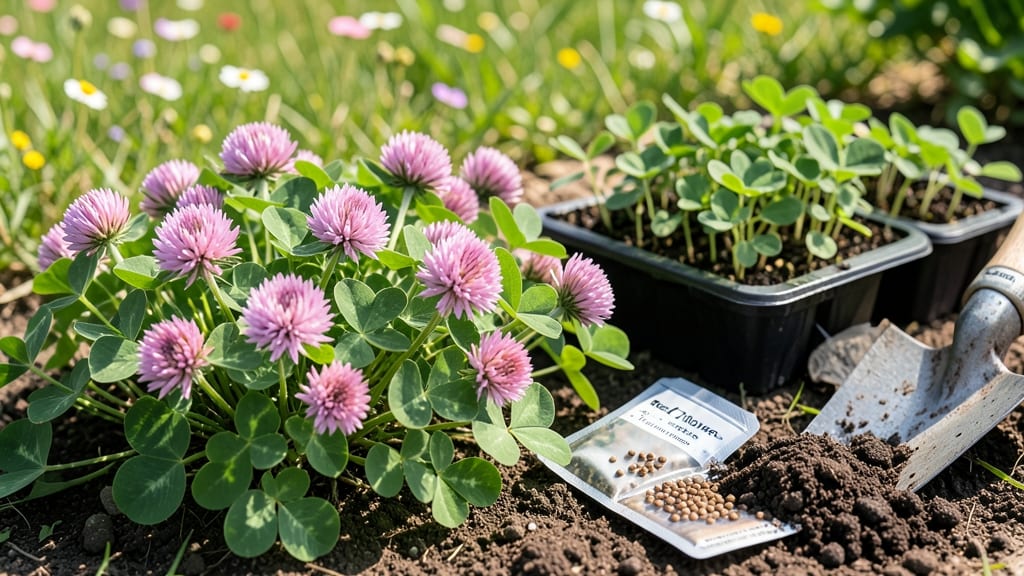
Timing your clover planting in Iowa just right could mean the difference between a thriving pasture and wasted seeds. With Iowa’s 5a-5b climate, getting the frost-free window perfect is key—especially when you’re aiming for lush green cover or improved soil health.
Most gardeners and farmers know clover is hardy, but even the toughest varieties need the right conditions to take root. Whether you’re planting white clover for pollinators or red clover to fix nitrogen in your soil, the March-April or August-September windows are your best bets.
In this guide, I’ll break down the exact frost-free timelines for each clover type, so you can avoid common mistakes like planting too early and risking frost damage. You’ll also learn how to adjust for Iowa’s unpredictable weather and keep your clover growing strong all season.
Ready to transform your soil or pasture? Let’s dive into the best planting strategies tailored for Iowa’s unique growing conditions.
Iowa clover planting timeline by variety: best months to avoid frost damage
Timing your clover planting in Iowa isn’t just about avoiding frost—it’s about matching each variety’s growth speed and cold tolerance to your region’s USDA Zone 5a-5b climate. White clover, for example, thrives in cooler soils, while crimson clover needs warmer temperatures to germinate.
Missing these windows can mean slow establishment or seed rot from prolonged moisture.
Iowa’s average last frost date falls around April 15, but this shifts 1-2 weeks depending on your county. Northern areas like Dubuque may see frost until May 1, while southern regions like Des Moines often clear by April 1.
Always check the NOAA Frost/Freeze Forecast before planting to adjust your schedule.
For spring planting, aim to sow seeds 2-4 weeks after your last frost when soil temperatures hit 50°F (10°C). This gives seedlings enough time to develop root systems before summer heat stress.
Fall planting, on the other hand, should occur 6-8 weeks before your first frost (typically late August to early September) to allow clover to establish before winter.
Here’s a quick reference for Iowa’s four most common clover types and their ideal planting windows:
| Variety | Spring Planting Window | Fall Planting Window | Soil Temp Requirement | Key Notes |
|---|---|---|---|---|
| White Clover | Late April–Early May | Late August–Mid-September | 45–55°F (7–13°C) | Hardy; tolerates light frost |
| Red Clover | Early May–Mid-May | Mid-August–Early September | 50–60°F (10–15°C) | Needs warmth to germinate; great for pollinators |
| Alsike Clover | Mid-May–Early June | Early September–Mid-September | 55–65°F (13–18°C) | Likes cooler summers; avoid drought |
| Crimson Clover | Early June–Mid-June | Late August–Early September | 60–70°F (15–21°C) | Fast-growing; best for late summer/fall |
If you’re planting white clover for lawns or pasture mixes, early spring is ideal—its creeping habit helps it outcompete weeds before summer.
For red or crimson clover, which are often used for hay or soil enrichment, wait until soil warms to 55°F+ (13°C+) to prevent seed rot.
Fall planting offers a second chance, especially for crimson clover, which can germinate in cooler soils and establish roots before winter. However, avoid planting too late—seeds need 4–6 weeks to sprout and develop 2–3 inches of growth before frost sets in.
Use a soil thermometer to confirm temperatures are above 45°F (7°C) before sowing.
Microclimates in Iowa can shift planting windows by 10+ days. For example, river valleys (like near the Mississippi) may warm 1 week earlier than upland areas.
Observe your local garden’s sunlight patterns—south-facing slopes get warmer sooner, while low-lying spots stay cooler longer. Adjust your schedule accordingly to avoid frost damage.
Pro tip: Mix clover seeds with a light covering of compost (¼ inch max) to retain moisture and regulate soil temperature. This is especially helpful in dry springs, where seeds can dry out before germinating.
Mulch with straw or shredded leaves after planting to lock in warmth and reduce evaporation.
For pasture or large-acreage planting, consider using a seeder with a fertilizer attachment to ensure even distribution. In home gardens, a simple broadcast spreader works well—just rake seeds ¼ inch deep into prepared soil.
Water gently to avoid washing seeds away, and keep the soil consistently moist (not soggy) until germination.
Remember, clover’s nitrogen-fixing roots
How to adjust planting dates for Iowa’s unpredictable weather patterns
Iowa’s unpredictable frost dates can throw off even the best-laid clover planting plans. A late frost in April or an early chill in September means the difference between thriving cover crops and wasted seed.
The key is flexibility—knowing how to extend your planting window without risking frost damage or poor germination.
First, always check the NOAA Frost/Freeze Forecast for your specific Iowa county. While the average last frost date hovers around April 15, microclimates near rivers or hills can delay frost by 1-2 weeks.
Use a soil thermometer ($15 at garden centers) to confirm when temperatures hit 50°F (10°C)—the ideal germination threshold for most clover varieties.
Planting after May 1 increases weed competition and reduces establishment time before Iowa’s first frost (October 15). If you miss spring, hardy varieties like white clover can still be sown in early September—but avoid planting after September 15 unless using frost-tolerant seed mixes.
For emergency late starts, consider fall planting in August when soil stays warm. Seedlings will establish roots before winter, then resume growth in spring. Just avoid overwatering—clover hates soggy soil, and Iowa’s autumn rains can drown young plants.
Pro tip: Use black plastic mulch to warm soil 5-10°F faster in early spring. Lay it down 2 weeks before planting to create a microclimate that speeds germination. Remove it once clover reaches 2 inches tall to prevent overheating.
If frost hits before germination, don’t panic. Many clover seeds remain viable for 2-3 years in dry soil. Mark your rows, wait for stable 50°F+ soil temps, and replant. Just avoid tilling—disturbed soil loses moisture faster in Iowa’s windy springs.
Finally, pair clover with fast-growing companion plants like ryegrass to suppress weeds during slow establishment. This buys you 2-3 extra weeks to adjust planting dates without sacrificing yield. The right companions can turn Iowa’s unpredictable weather into an advantage, not a setback 🌱🌡️.