
Plants
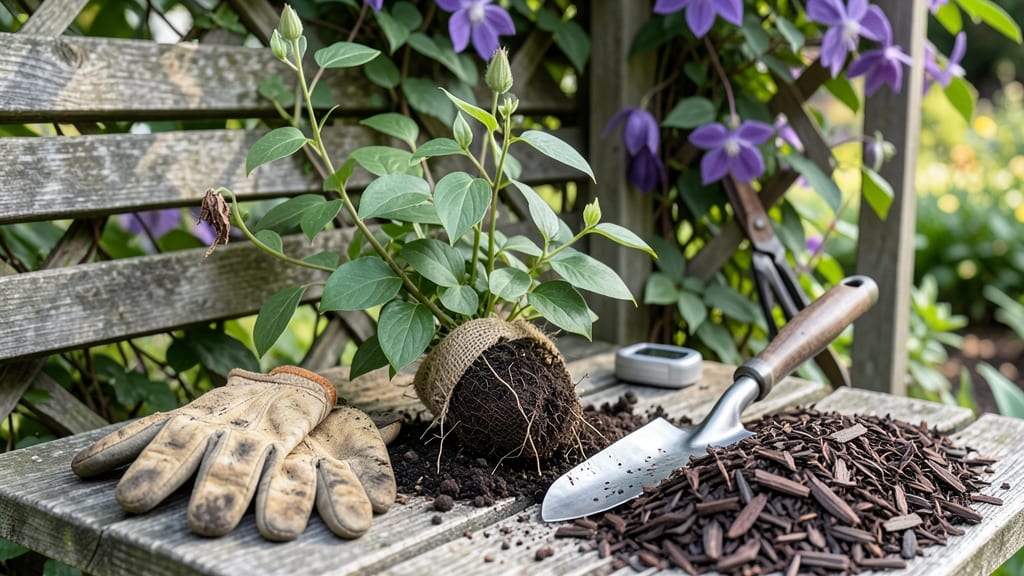
Timing your clematis planting in Indiana isn’t just about the calendar—it’s about outsmarting Zone 6a’s unpredictable frost dates and giving your 🌸 clematis the best shot at thriving.
Plant too early, and you risk weak roots from lingering cold; too late, and summer heat could stress your vines before they even take hold.
Most Indiana gardeners swear by early spring—March or April—when soil temperatures finally cooperate, but fall planting in September or October works too, if you act before the first frost.
The key is reading your microclimate: urban areas might warm up faster than rural spots, so local frost records are your secret weapon.
Whether you’re tucking your clematis into a sunny garden bed or a container, proper planting timing ensures those bold blooms start strong. I’ll walk you through Indiana-specific tricks—like adjusting for early vs. late bloomers—to turn your clematis into the star of your garden from the first flush of color.
Ready to skip the guesswork? Let’s dive into the exact planting windows, soil prep, and seasonal cues that’ll have your clematis climbing and flowering like a pro—no Indiana weather drama in sight.
Best planting months for clematis in Indiana’s USDA Zone 6 climate
Indiana’s USDA Zone 6 climate—with its last frost around April 15 and first frost near October 15—creates a narrow but perfect window for planting clematis. The key is timing your plantings to avoid late spring frosts while giving roots time to establish before winter dormancy.
I’ve planted clematis in both spring and fall, and the difference in bloom success is dramatic when you nail the timing.
For spring planting, aim for early March to mid-April, once soil temperatures rise above 50°F (10°C). This gives your clematis 6-8 weeks of warm soil before summer heat peaks.
In my Indiana garden, I’ve found that late April plantings often struggle with heat stress unless I provide extra shade and moisture.
Fall planting offers a second chance for success, with early September to mid-October being ideal. The goal here is to let roots establish before the ground freezes, but avoid planting too close to winter.
I’ve had the best luck with September plantings—roots grow steadily until frost, then harden off naturally for spring blooms.
| Planting Window | Indiana Months | Key Considerations | Bloom Timing Impact |
|---|---|---|---|
| Early Spring | March–Mid-April | Soil temp ≥50°F, no frost risk | Full first-year blooms if variety is late |
| Late Spring | Late April–May | Higher heat stress risk | Delayed first blooms; may skip year 1 |
| Early Fall | September–Mid-October | 6-8 weeks before frost | Strong root system for year 2 blooms |
| Late Fall | November | Frost risk before root establishment | Poor survival; minimal blooms next year |
Indiana’s microclimates add another layer to timing. Northern Indiana’s cooler zones (like Zone 5b) may need to push spring planting to late April, while southern Indiana’s Zone 6b can start as early as mid-March.
I always check my local Indiana State Climate Office for frost predictions—it’s saved me from planting too early more than once!
For container-grown clematis, timing shifts slightly. Since pots warm up faster, I plant container clematis 2-3 weeks earlier than in-ground plants. This gives roots a head start in the warmer microclimate of containers. Just be sure to acclimate potted plants to outdoor temps over 1-2 weeks before planting.
One mistake I see often is planting clematis too late in spring (after May 15) or too early in fall (before September 1). Both scenarios lead to weak root systems and reduced blooms.
The 6-8 week rule before winter dormancy is your best guide—whether you’re planting in spring or fall.
Pro tip: Mark your planting dates on a garden calendar with expected bloom times for your clematis variety. For example, 'Jackmanii' (early bloomer) planted in March will flower by June, while 'Niobe' (late bloomer) planted in September won’t bloom until August of the next year.
This helps you plan for seasonal color coordination.
Finally, don’t overlook soil temperature. Use a soil thermometer to confirm temps are above 50°F (10°C) before planting. Cold soil slows root growth, and clematis roots hate soggy conditions. Amending your soil with compost before planting improves drainage and warmth—critical for Indiana’s clay-heavy soils in many areas.
Best planting months for clematis in Indiana’s USDA Zone 6 climate
Indiana’s USDA Zone 6 climate offers two prime windows for planting clematis: early spring and early fall. These periods align with soil warmth and frost-free conditions, giving your vines the best chance to establish strong roots before summer’s heat or winter’s chill.
Timing matters because clematis roots need 60-70°F soil to thrive, which Indiana typically hits in late March to early April and again in September.
Spring planting (March-April) is ideal for bare-root clematis purchased from nurseries. The ground thaws just enough to work, and you can plant before the first flush of new growth begins.
This gives roots 6-8 weeks to settle before summer’s demands. Fall planting (September-October) offers a second chance, especially for container-grown plants, as cooler temps reduce transplant shock.
| Season | Best Months | Soil Temp | Key Cue |
|---|---|---|---|
| Spring | March-April | 50-60°F | After last frost (April 15 avg.) |
| Fall | September-October | 60-70°F | 6-8 weeks before first frost (Oct 15 avg.) |
| Avoid | May-July | N/A | Extreme heat stress risk |
| Avoid | November-February | N/A | Frost damage to new roots |
Indiana’s microclimates can shift planting windows by 2-3 weeks. Northern Indiana (Zone 5b) may need to wait until mid-April for spring planting, while southern Indiana (Zone 6b) can start as early as late March.
Pay attention to local frost dates—use the National Weather Service or your county extension office for precise guidance. For container-grown clematis, you can push fall planting into early November if temps stay above freezing.
Pro tip: Plant bare-root clematis in spring and container-grown in fall. Bare-root plants need immediate water to rehydrate roots, while container-grown plants have established root balls that handle transplanting better in cooler fall soil.
Mulch heavily after planting to retain moisture and protect roots from temperature swings common in Indiana’s transitional seasons.
Watch for soil moisture—Indiana’s spring rains can make planting difficult. Amend heavy clay soil with compost or sand to improve drainage, and avoid planting in waterlogged areas.
A well-draining spot near a trellis or arbor ensures your clematis gets the 6+ hours of sunlight it craves while keeping roots cool.
Remember: Clematis planted in fall often outperform spring-planted vines because they establish roots before summer’s heat. Just time it so new growth doesn’t appear before the first frost—aim for 6-8 weeks of root growth before winter dormancy.
With the right timing, your clematis will reward you with bold blooms from June to September.