
Plants
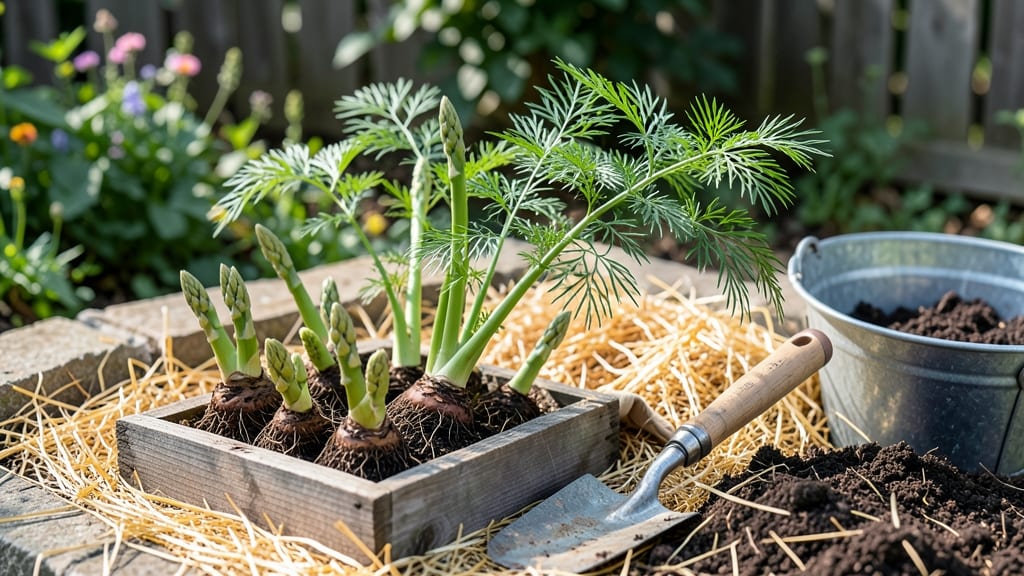
Timing your asparagus planting in Seattle isn’t just about the calendar—it’s about matching the plant’s chill-hour needs with the city’s unpredictable spring weather. One wrong move, and your 🌱 asparagus crowns could rot in soggy soil or struggle to establish roots before summer heat hits.
Most Seattle gardeners swear by planting asparagus crowns in early spring, between March and April, when soil temperatures hover around 50°F and the last frost has passed. But here’s the catch: Seattle’s microclimates—especially in Zone 8a—mean your neighbors’ success might not apply to your backyard.
Whether you’re a first-timer or a seasoned green thumb, getting this right means fewer wasted crowns and more spears in just 2-3 years. I’ll break down the exact window, soil prep secrets, and even which asparagus varieties handle Seattle’s damp springs best.
Skip the guesswork and plant with confidence—your future harvest depends on it.
Seattle’s ideal asparagus planting window by chill-hour zones
Seattle’s USDA Zone 8a climate creates a narrow 4-6 week window for planting asparagus crowns, typically between mid-March and mid-April. This aligns with the 300-500 chill hours asparagus needs to break dormancy, with Seattle’s average 450 chill hours between November and March providing perfect conditions.
Timing is critical because asparagus crowns must establish roots before soil temperatures exceed 60°F. In Seattle, soil warms to this threshold around late April, making early planting essential. Planting too late risks poor root development and reduced first-year growth.
For Seattle’s microclimates, adjust planting dates by 1-2 weeks:
- Cooler areas (Zone 7b): Aim for late February to early March
- Warmer areas (Zone 9a): Extend to mid-April
- Urban heat islands: May need earlier planting (late February)
Seattle’s unpredictable spring rains add complexity. Plant when soil is workable but not waterlogged. Use a soil thermometer to confirm 45-55°F soil temperatures—ideal for root establishment.
Here’s your Seattle-specific planting calendar based on chill hours and frost dates:
| Stage | Action | Seattle Timing | Chill Hours Accumulated |
|---|---|---|---|
| Soil Prep | Amend soil with compost | October-November (previous fall) | N/A |
| Planting Window | Plant crowns 6-8" deep | Mid-March to Mid-April | 300-500 hours |
| Root Establishment | Keep soil moist (1" weekly) | April-May | 500+ hours |
| First Harvest | Harvest spears 6-8" tall | Year 2: Late May | N/A |
| Peak Production | Harvest 2-3 weeks | Years 3-5: May-June | N/A |
Seattle’s last frost date (March 15) marks the ideal cutoff for planting. If you miss this window, wait until soil temperatures stabilize above 50°F—typically late April—but expect delayed harvests in subsequent years.
For crown planting, choose 1-year-old crowns with 8-10 healthy roots. Soak crowns in lukewarm water for 1 hour before planting to jumpstart root growth. Seattle’s acidic soils (pH 6.0-6.5) may require lime amendments (see next section for details).
Pro tip: Use black plastic mulch after planting to warm soil faster in cooler Seattle springs. Remove mulch in early June to allow fertilizer absorption during active growth.
Remember, asparagus is a perennial investment. Proper timing now ensures 20+ years of harvests—far longer than most garden crops. Seattle’s climate rewards patience with bold, early-season spears that outperform store-bought varieties.
How to prep Seattle soil for asparagus success (before planting)
Seattle’s acidic, clay-heavy soils can stifle asparagus growth if not properly amended. Asparagus thrives in sandy loam with a pH of 6.5-7.5, so testing your soil first is non-negotiable.
Grab a soil test kit from WSU Extension—Seattle’s typical pH 5.5-6.0 often needs lime adjustments to avoid iron chlorosis (yellowing leaves).
Start soil prep 6-8 weeks before planting (by mid-January for Seattle’s March-April window). Remove all weeds and grass, then till the soil to a depth of 12 inches.
Asparagus roots grow deep, so compacted layers will limit their reach. For clay soils, mix in 3-4 inches of compost or aged manure to improve drainage.
Seattle’s organic matter needs are higher than average. Aim for 20-30% organic content by volume. My go-to blend is 50% compost, 30% peat moss (or coconut coir), and 20% perlite. This combo mimics asparagus’s native well-draining, fertile soils while preventing waterlogging—a major issue in Seattle’s rainy springs.
Fresh manure burns asparagus roots with high ammonia levels. Always use well-composted manure (12+ months aged) or fish emulsion instead. Seattle’s cool springs make this mistake even riskier.
For pH adjustment, apply pelletized lime based on your test results. Seattle soils often need 1-2 lbs of lime per 100 sq ft to raise pH to 6.5.
Work it into the top 6 inches of soil and water thoroughly. Re-test soil 2-3 weeks later—Seattle’s rainy climate can wash lime away quickly.
Create raised beds (12-18 inches high) if your native soil is poorly draining. Fill with a mix of 60% topsoil, 30% compost, and 10% sand. This elevates roots above Seattle’s waterlogged winter soils while keeping them cool during summer heat.
Add 2 inches of mulch (straw or wood chips) after planting to retain moisture and suppress weeds.
Pro tip: Plant asparagus in a dedicated bed—don’t rotate crops here. Asparagus doesn’t compete well with other plants and needs 3-5 years to reach peak production.
Mark the bed permanently to avoid accidental digging near roots. With proper prep, your Seattle asparagus patch will reward you with spears for decades.