
Plants
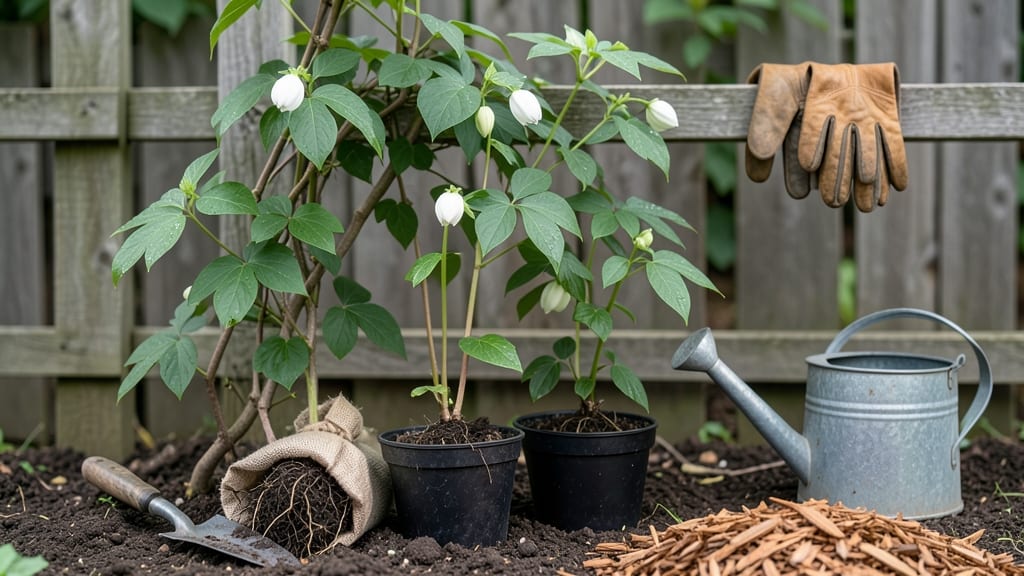
Timing your clematis planting in Michigan isn’t just about the calendar—it’s about matching your 🌸 clematis to the region’s chill-hour zones for those showstopping blooms you dream of.
Plant too early, and frost will nip tender roots before they take hold; too late, and your vines might struggle to establish before winter sets in.
Michigan’s USDA Zones 5b-6b mean you’ve got two prime windows: early spring (April) or early fall (September-October). But here’s the catch—some clematis varieties need 500-1,000 chill hours to bloom their best, and Michigan’s climate can swing wildly between regions.
Whether you’re in Detroit or the Upper Peninsula, getting this right makes all the difference.
I’ll break down exactly when to plant based on your local frost dates and chill-hour needs, so you can avoid common mistakes that stunt growth. Think of it as a game-changer for your garden’s curb appeal—because nothing beats a clematis vine bursting into color come summer.
Ready to set your clematis up for success? Let’s dive into the most efficient planting schedule tailored to Michigan’s quirks, so you can enjoy those 🌸 blooms from late spring through summer without the guesswork.
Michigan’s chill-hour zones: the key to timing clematis planting
Michigan’s USDA Zones 4-6 create unique challenges for clematis growers. Unlike warmer climates, our chill-hour requirements (300-1,000+ hours below 45°F) determine whether your vines will thrive or struggle. Early-blooming varieties need fewer chill hours, while late-bloomers require more—planting at the wrong time can mean missed blooms entirely.
Most Michigan gardeners get it right by planting in early fall (September-October) or early spring (April), but timing varies by variety. For example, 'Jackmanii' (a late bloomer) needs 800+ chill hours, while 'Niobe' (early bloomer) thrives with just 400-500 hours.
Understanding these zones ensures your clematis gets the dormancy it needs before bursting into bloom.
Here’s the critical factor: planting too early exposes tender roots to late frosts, while planting too late gives vines insufficient time to establish before winter. The sweet spot? 6-8 weeks before your first hard frost—typically mid-September for most of Michigan.
| Variety Type | Chill Hours Needed | Best Planting Window | Michigan Zone Fit |
|---|---|---|---|
| Early Bloomers (e.g., 'Niobe', 'Perle d'Azur') | 400-500 hours | Late August-September | Zones 5-6 (Detroit, Grand Rapids) |
| Mid-Season (e.g., 'Montana', 'The President') | 600-800 hours | Early September-October | Zones 4-5 (Traverse City, UP) |
| Late Bloomers (e.g., 'Jackmanii', 'Ramona') | 800-1,000+ hours | Early September (critical!) | All zones (UP to southern MI) |
🌱 Pro Tip: Test your chill hours using a chill-hour calculator (like the one from MSU Extension) to avoid mismatches.
Northern Michigan (like the Upper Peninsula) has shorter growing seasons, so aim for early September planting to give roots time to harden before winter.
Southern Michigan (e.g., Detroit or Ann Arbor) can extend planting slightly into early October, but avoid planting after mid-October—roots won’t establish in time for winter survival.
Spring planting is riskier in Michigan due to late frosts, but it’s viable if you wait until after April 15 (average last frost date). For spring planters, choose container-grown clematis over bare-root varieties—they establish faster and handle temperature swings better.
Soil temperature matters too! Clematis roots prefer 60°F+ soil to grow. In cooler zones (like Marquettelate May for spring planting. Use a soil thermometer to check—planting in cold soil stresses roots and delays blooming.
One common mistake? Ignoring microclimates. A south-facing wall in Zone 5 might be 2-3 weeks warmer than open ground, extending your planting window. Observe your yard’s warmth patterns before committing to a timeline.
For container gardening in Michigan, plant 1-2 weeks earlier than in-ground—containers warm up faster. Just ensure pots have drainage holes and use insulated grow bags in winter to protect roots from freezing.
Remember: Clematis planted in fall often outperform spring plantings because they establish roots before winter stress. But if you miss fall, don’t despair—spring planting still works with proper frost protection (like row covers or mulch blankets).
Step-by-step planting schedule for Michigan’s climate variations
Michigan’s diverse climate—from the Upper Peninsula’s cold snaps to Detroit’s heatwaves—means your clematis planting timeline should vary by region. Whether you’re in Zone 5b or Zone 6b, timing is everything for root establishment and bloom success.
For northern Michigan (e.g., Marquette, Traverse City), aim to plant in late April to early May after the last frost date (typically April 15). In southern Michigan (e.g., Detroit, Ann Arbor), early September to mid-October is ideal for fall planting, allowing roots to settle before winter.
Here’s your region-specific planting schedule, including soil prep and frost protection tips to ensure your clematis thrives:
Soil Prep: Amend soil with compost and bone meal for phosphorus. Plant in early May after last frost.
Soil Prep: Test for pH 6.5-7.0. Plant in September-October for fall root growth.
Delay until late May to avoid frost. Use mulch (4-6 inches) for winter protection.
Water deeply weekly for first month. Install support trellis before vines climb.
Pro tip: If planting in spring, protect young shoots with frost cloth until soil warms to 50°F. For fall planting, add a thick mulch layer (6+ inches) to insulate roots during winter.
Remember, clematis roots are sensitive to temperature swings. In Zone 5, avoid planting before April 15—frost can kill tender roots. In Zone 6, stop planting by October 15 to allow roots to harden off before winter.
With this schedule, your clematis will establish strong roots and reward you with vibrant blooms from late spring to summer—no matter where in Michigan you garden! 🌸