
Plants
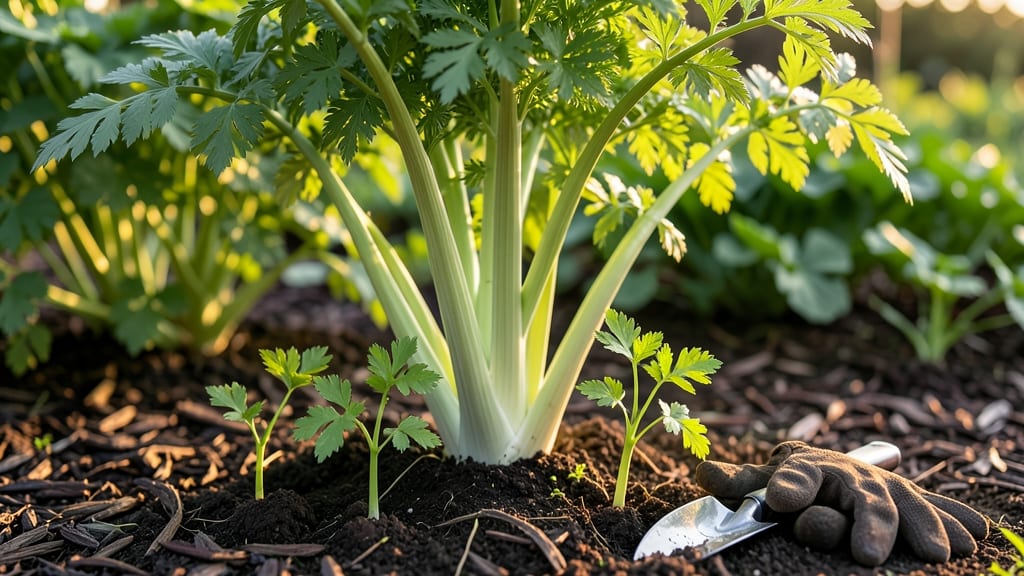
Planting celery in Louisiana might seem tricky with its steamy summers, but timing it right means you can enjoy crisp, homegrown 🥬 stalks even when temperatures soar. The key isn't just avoiding the heat—it's working with Louisiana's 8a-9b climate to maximize your harvest windows.
Most gardeners know spring planting is ideal, but did you realize late summer (July-August) offers a second chance for success? I'll break down the exact planting dates that work best in your region, so you're not left guessing when to start seeds or transplant seedlings.
What sets Louisiana celery apart is the need for heat-resistant varieties that won't bolt prematurely. We'll cover the top varieties that thrive here and how to protect your plants from bolting during those long, humid summers.
Ready to grow celery that actually survives Louisiana's conditions? Let me show you how to time your plantings perfectly for two harvest seasons—spring and fall—with minimal stress and maximum flavor.
Best planting windows for celery in Louisiana’s climate zones
Louisiana’s humid subtropical climate (USDA Zones 8a-9b) creates unique challenges for growing celery. Unlike northern states, we don’t have a traditional "spring planting" window—our long growing season and high heat demand precise timing to avoid bolting (premature flowering) and bitter stalks.
The key is planting during cooler months when temperatures stay below 85°F (29°C).
Most gardeners in Louisiana focus on two main planting windows: early spring and late summer. These periods align with soil temperature (ideal: 50-75°F) and daylength to prevent bolting.
For northern Louisiana (e.g., Shreveport), timing shifts slightly earlier due to earlier last frost dates (around February 15), while southern Louisiana (e.g., New Orleans) has 30-45 days later to plant.
Here’s the exact breakdown for each region, including seed-starting indoors vs. direct sowing outdoors:
| Region | Planting Window | Seed Start Indoors | Direct Sow Outdoors | Harvest Window |
|---|---|---|---|---|
| Northern LA (Shreveport, Monroe) | Early Spring: Feb 1–Mar 15 Late Summer: Jul 15–Aug 15 |
Start Jan 1–Feb 1 (8–10 weeks before last frost) | After last frost (Mar 1–Apr 15) | Spring: May–June Fall: Oct–Nov |
| Central LA (Baton Rouge, Lafayette) | Early Spring: Feb 15–Mar 30 Late Summer: Jul 20–Aug 20 |
Start Jan 15–Feb 15 | After soil warms to 50°F (Mar 15–Apr 1) | Spring: May–June Fall: Oct–Nov |
| Southern LA (New Orleans, Lake Charles) | Early Spring: Mar 1–Apr 15 Late Summer: Jul 25–Aug 30 |
Start Feb 1–Mar 1 | After April 1 (soil >50°F) | Spring: June–July Fall: Nov–Dec |
For spring plantings, I recommend starting seeds indoors 8–10 weeks before your last frost date. This gives seedlings a head start before transplanting outdoors. Use grow lights if natural light is limited, as celery needs 12–14 hours of light daily to prevent leggy growth.
Harden off seedlings for 7–10 days before moving them to the garden to avoid transplant shock.
If you’re direct sowing outdoors, wait until the soil temperature reaches at least 50°F (10°C). Use a soil thermometer to monitor—celery roots struggle in colder soils.
In Louisiana, this typically aligns with late March to early April in northern areas and April to early May in southern regions. Never plant celery in summer heat—temperatures above 85°F (29°C) will cause it to bolt within 2–3 weeks.
For late summer/fall plantings, aim to sow seeds 8–10 weeks before your first frost (typically July–August). This ensures celery matures before cooling temperatures trigger bolting. In southern Louisiana, you can even push this to early September for a winter harvest, though growth will slow as days shorten.
Pro tip: Use shade cloth (30–50%) during peak afternoon sun (12–4 PM) to protect celery from heat stress. This simple trick can extend your harvest window by 2–4 weeks in Louisiana’s brutal summers.
Pair it with drip irrigation to keep soil evenly moist—celery hates fluctuating moisture levels, which lead to bitter, stringy stalks.
Another strategy is staggered planting: sow a new batch of seeds every 2–3 weeks during your chosen window. This ensures a continuous harvest rather than one big crop. For example, in northern Louisiana, plant February 1, February 15, and March 1 for staggered maturity dates.
Finally, avoid planting celery in containers unless they’re at least 12 inches deep—celery has a deep taproot and needs room to establish. If you’re growing in pots, choose self-blanching varieties like ‘Golden Self-Blanching,’ which tolerate crowded conditions better than traditional types.
Best planting windows for celery in Louisiana’s climate zones
Louisiana’s USDA Zones 8a-9b create unique challenges for growing celery—the key is planting during cooler months when temperatures stay below 85°F. Miss this window, and your celery will bolt (go to seed) or wilt under the relentless summer sun.
Let’s break down the exact planting windows for Louisiana’s diverse microclimates, from North to South.
For North Louisiana (e.g., Shreveport, Monroe), aim for February 15–March 15 for spring plantings. The soil warms slowly here, so transplant seedlings after your last frost date (typically February 15).
In South Louisiana (e.g., New Orleans, Lafayette), where winters are milder, you can start as early as January 15, but avoid planting after March 1 to prevent heat stress.
Fall is your second best window—plant July 15–August 15 for a winter harvest. This timing lets celery mature before first frost (around December 1). Use shade cloth if temperatures creep above 90°F to delay bolting.
| Region | Spring Planting Window | Fall Planting Window | Key Tip |
|---|---|---|---|
| North Louisiana (Zones 8a) | Feb 15–Mar 15 | Jul 15–Aug 15 | Use row covers for early starts |
| Central Louisiana (Zones 8a-8b) | Jan 30–Feb 28 | Jul 1–Aug 10 | Mulch heavily to retain moisture |
| South Louisiana (Zones 9a-9b) | Jan 15–Mar 1 | Jul 10–Aug 5 | Plant in partial shade |
Direct sowing is risky in Louisiana’s heat—start seeds indoors 8–10 weeks before your target planting date. Use biodegradable pots to transplant seedlings without disturbing roots. If you’re direct-sowing outdoors, do it only in fall (July–August) when soil temps drop below 80°F.
Avoid planting in summer (April–June) unless you’re using heat-tolerant varieties (we’ll cover those next!). Even then, bolting is likely unless you provide constant shade and daily watering. For most gardeners, spring and fall are non-negotiable for crisp, sweet celery.
Pro tip: Stagger plantings every 2 weeks in spring and fall to ensure a continuous harvest. This works especially well in South Louisiana, where the growing season is longer. Just remember—celery hates heat, so plan accordingly!