
Plants
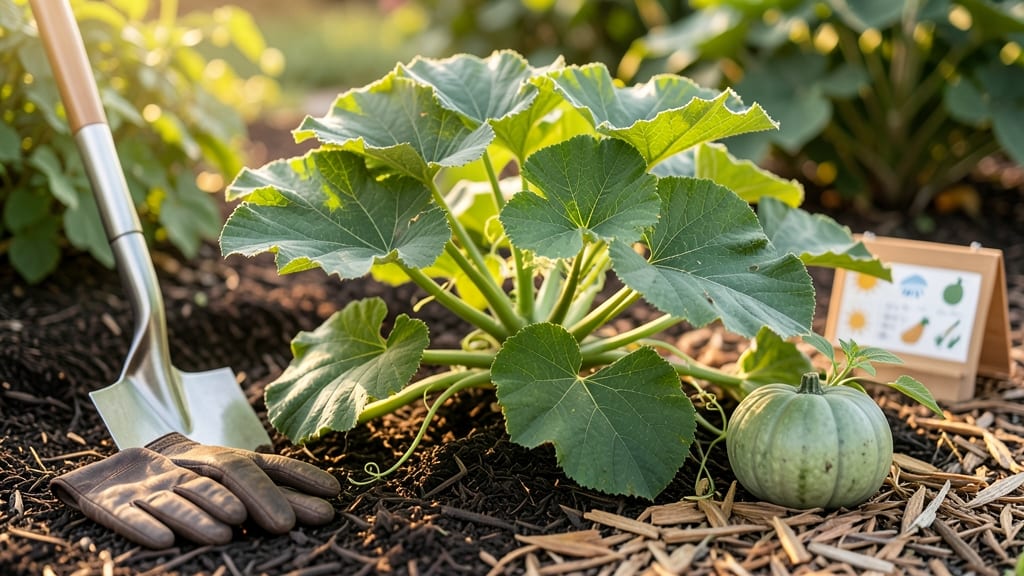
If you’ve ever wondered when to plant acorn squash in Florida, timing isn’t just about following a calendar—it’s about outsmarting the state’s heat and humidity. The right window can mean the difference between a bumper crop of 🎃 and a patch of wilted vines.
Florida’s 8a-11 climate zones give gardeners two prime chances to plant: spring and fall. But here’s the catch—planting too early in spring risks frost, while waiting too long in summer can leave your squash struggling under the relentless sun.
Let’s break down the exact months that work best for your region.
You’ll discover how to prep your soil, choose the toughest varieties, and avoid the 3 biggest mistakes that sabotage Florida gardens. Whether you’re a first-timer or a seasoned grower, these tips will help you grow squash that’s sweeter, heartier, and ready for harvest.
Ready to turn your garden into a squash haven? Let’s get started with the step-by-step guide that’s tailored just for Florida’s unique growing conditions.
Best planting months for acorn squash in Florida’s climate zones
Florida’s unique climate—with its long frost-free seasons and intense summer heat—means acorn squash can thrive year-round, but timing is key. Unlike northern states, Florida gardeners can plant twice a year: once in spring and again in late summer for a fall harvest.
The challenge? Avoiding heat stress in summer and early frost in cooler regions like North Florida.
Your planting window depends on your USDA hardiness zone (Florida spans 8a–11) and whether you’re aiming for a spring harvest (June–July) or a fall harvest (November–December).
In South Florida (zones 10–11), you can plant almost year-round, while North Florida (zones 8a–9a) requires precise timing to escape early frosts.
Here’s the exact planting schedule broken down by Florida’s three main regions, plus pro tips to maximize your yield. Whether you’re a beginner gardener or a seasoned pro, these month-by-month guidelines will help you avoid common mistakes and grow bountiful, heat-resistant acorn squash.
| Region | Zone | Spring Planting Window | Fall Planting Window | Key Considerations |
|---|---|---|---|---|
| North Florida | 8a–9a | March 1–April 15 | August 1–September 15 | Wait until soil temps reach 60°F+; risk of light frost in Nov. |
| Central Florida | 9b–10a | February 15–April 1 | July 15–August 30 | Humidity spikes in summer; use black plastic mulch to retain moisture. |
| South Florida | 10b–11 | January 1–March 15 | June 15–August 15 | Year-round planting possible; watch for pests like squash bugs in heat. |
For spring planting, aim to sow seeds 2–3 weeks after your last frost date. In North Florida, this is typically mid-March, while South Florida can start as early as January. The goal is to give your squash 90–110 days of warm weather before harvest.
If you plant too early, cool nights can stunt growth; too late, and your squash will struggle in peak summer heat.
Fall planting follows the same logic but works backward: start seeds 8–10 weeks before your first frost (usually mid-August in North FL and mid-July in South FL). This ensures your squash matures before temperatures drop below 50°F.
In zone 10+, you can even plant a winter crop in October for a holiday harvest!
One critical Florida-specific tip: use black plastic mulch to warm soil faster in spring and retain moisture during summer’s dry spells. This trick is a game-changer for North Florida gardeners, where soil stays cooler longer.
Pair it with drip irrigation to avoid fungal diseases from overhead watering in the humidity.
If you’re in Central or South Florida, consider succession planting every 2–3 weeks in spring and fall to stagger your harvest. This way, you’ll have squash to enjoy from June through December without gaps.
Just be sure to rotate planting locations yearly to prevent soil-borne diseases like powdery mildew, which thrives in Florida’s heat and humidity.
For container growing (great for urban gardeners or renters), choose 5-gallon pots and plant in May or September to avoid extreme heat. Containers dry out faster, so water daily and use a moisture-retentive potting mix with compost.
Just remember: acorn squash vines can spread 3–6 feet, so give them space or prune gently to keep them contained.
Finally, keep an eye on weather forecasts—Florida’s unpredictable summer storms can delay planting. If a heatwave hits right after sowing, your seeds may rot. Use shade cloth temporarily until seedlings are established, then transition them to full sun gradually.
With the right timing and care, your acorn squash will flourish in Florida’s climate, giving you homegrown harvests twice a year!
Best planting months for acorn squash in Florida’s climate zones
Florida’s diverse climate zones mean your acorn squash planting window depends heavily on where you live. Unlike cooler states, Florida gardeners enjoy two main planting seasons: spring and fall. The key is avoiding extreme summer heat while ensuring soil warmth for germination.
North Florida (Zones 8a-9a) has the strictest timing due to occasional light frosts, while South Florida (Zones 10a-11) can plant year-round with proper care. Central Florida (Zones 9b-10a) falls somewhere in between, offering the longest frost-free growing season in the state.
Spring planting is ideal for most regions, with March-April being the sweet spot. For fall harvests, aim for August-September plantings to beat the first frost in northern areas. In South Florida, you can even extend into October with proper shade protection.
| Region | Best Planting Window | Soil Temp Requirement | Key Consideration |
|---|---|---|---|
| North FL (8a-9a) | March 15-April 15 August 15-Sept 15 |
60°F+ | Frost risk in winter |
| Central FL (9b-10a) | February 28-April 30 July 15-Sept 30 |
65°F+ | Longer growing season |
| South FL (10a-11) | January-March July-September |
70°F+ | Year-round potential |
🌡️ Note: Use a soil thermometer to verify warmth before planting.
For spring plantings, wait until 2-3 weeks after your last frost date—typically mid-March for most of Florida. This gives your acorn squash seeds time to germinate in warm soil (at least 60°F) without risking frost damage to young plants.
In fall, plant 8-10 weeks before your first frost (usually late August for North FL). This timing ensures your squash matures before cooler weather slows growth. In South Florida, you can push this to early October with shade cloth during peak afternoon heat.
Pro tip: Use black plastic mulch to warm soil faster in spring or retain moisture during summer plantings. This trick extends your planting window by 1-2 weeks in both directions, giving you more flexibility for heat-sensitive varieties.