
Plants
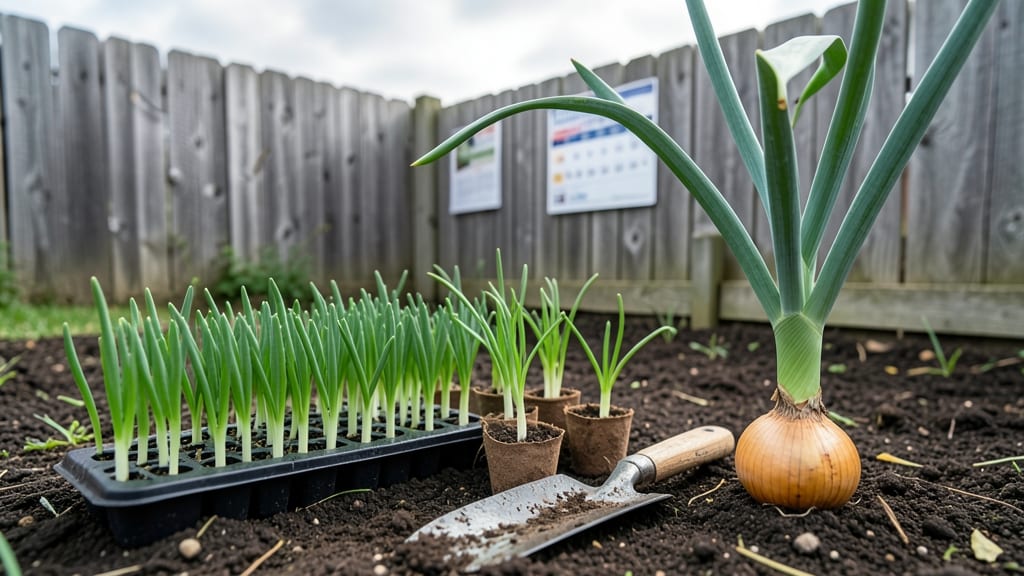
If you've ever wondered when can you plant onions in Ohio, timing is the secret to avoiding bitter, bolted onions and maximizing your harvest. Ohio's 6a climate gives you two prime windows—spring and fall—but getting it wrong means small bulbs or wasted effort.
Spring planting starts as early as March, when soil temperatures rise above 40°F, but rushing it risks bolting from warm days. Fall planting in August-September works too, letting onions mature before winter. The key? Choosing cold-hardy varieties like 'Yellow Sweet Spanish' that handle Ohio's unpredictable weather.
I'll break down the exact months, soil prep tips, and how to tell when your 🧅 onions are ready to harvest—so you skip the guesswork and grow plump, flavorful bulbs every season.
Whether you're a first-time gardener or a veteran, these Ohio-specific strategies will help you avoid common mistakes and enjoy a bountiful onion harvest. Let's get started!
Best planting months for onions in Ohio (by variety and climate Zone)
Ohio’s USDA Zones 5-7 create a unique challenge for onion growers—too early, and your plants bolt; too late, and they struggle to mature before summer heat. The key is matching variety type with Ohio’s day-length shifts and frost dates.
Spring-planted onions need to be in the ground 4-6 weeks before last frost (typically mid-March to early April), while fall plantings should go in 8-10 weeks before first frost (late August to early September).
Ohio’s climate divides onions into three critical groups: short-day (best for southern Ohio), intermediate-day (ideal for central Ohio), and long-day (perfect for northern Ohio).
Short-day varieties like ‘Texas Early White’ thrive in USDA Zone 6-7 and can handle Ohio’s longer spring days, while long-day types like ‘Sweet Sandwich’ need northern Ohio’s shorter summer days to bulb properly.
For spring planting, aim for March 15-April 15 in most of Ohio. In northern Ohio (Zone 5), start as early as March 1 under row covers to protect from late frosts.
In southern Ohio (Zone 7), you can push planting to April 15 without bolting risks. Fall planting should happen between August 15-September 15, with earlier dates for Zone 5 and later dates for Zone 7.
Here’s the non-negotiable rule: Never plant onions when soil temperatures exceed 80°F—this triggers bolting. Use a soil thermometer to monitor conditions, especially in May and June, when Ohio’s heat can ruin your crop.
If your soil hits 75°F+, switch to green onion varieties or shade your plants with 30% shade cloth.
Ohio’s unpredictable spring weather adds another layer. A late frost in April can kill young seedlings, while warm spells in February might trick onions into premature growth. To hedge your bets, stagger plantings every 2 weeks from March to April for a continuous harvest.
| Variety Type | Best Planting Window | USDA Zone Fit | Key Notes |
|---|---|---|---|
| Short-Day (e.g., ‘Texas Early White’) | March 15-April 15 (spring) or August 15-Sept 1 (fall) | Zones 6-7 | Bulbs well in long days; great for southern Ohio. |
| Intermediate-Day (e.g., ‘Sweet Spanish’) | March 1-April 10 (spring) or Aug 1-Sept 10 (fall) | Zones 5-7 | Adapts to Ohio’s variable day lengths; versatile. |
| Long-Day (e.g., ‘Sweet Sandwich’) | Feb 28-March 31 (spring) or July 31-Aug 15 (fall) | Zones 5-6 | Needs short summer days; best for northern Ohio. |
| Green Onions (e.g., ‘Evergreen Hardy White’) | March-October (successive plantings) | All Zones | Cold-hardy; harvest scallions anytime. |
If you’re planting onion sets (pre-sprouted bulbs), Ohio gardeners get a 10-day head start over seeds—they sprout faster and are less prone to bolting.
For seeds, start them indoors 8-10 weeks before last frost (by mid-January) and transplant seedlings in early April. Direct-sowing seeds in Ohio should happen 2-3 weeks after last frost to avoid frost damage.
One Ohio-specific trick: Plant onions near corn or cucumbers to deter onion flies, but avoid planting near beans or peas, which compete for nutrients. Amend your soil with compost or aged manure before planting—Ohio’s clay-heavy soils need organic matter to improve drainage and prevent rot.
Aim for a soil pH of 6.0-7.0; test your soil in fall to adjust with lime or sulfur if needed.
For fall harvests, prioritize storage onions like ‘Yellow Sweet Spanish’ planted by August 1
Cold-hardy onion varieties that thrive in Ohio’s spring and fall
Ohio’s variable climate demands onion varieties that handle both early spring frosts and summer heat. The right cold-hardy selections can mean the difference between bolting and bountiful bulbs.
For spring planting, focus on short-day or intermediate-day varieties that tolerate cooler soils, while fall plantings need types that mature before winter sets in.
My top 5 cold-hardy onion varieties for Ohio gardens include ‘Yellow Sweet Spanish’ (great for storage) and ‘Evergreen Hardy White’ (perfect for green onions). These varieties resist bolting even when temperatures fluctuate—critical in Ohio’s USDA zones 5-7.
Planting depth matters too: sets should go 1 inch deep, while seeds need ½ inch coverage.
Spacing is another game-changer. Crowded onions compete for nutrients and increase bolting risk. Aim for 4-6 inches apart in rows spaced 12-18 inches apart. This gives roots room to establish before summer heat arrives. For fall plantings, choose quick-maturing types like ‘1891 Red’ to harvest before frost.
✅ Top Ohio Onion Varieties
✔ Storage-friendly
✔ Bolting-resistant
✔ 100+ days to maturity
✔ Cold-tolerant
✔ Great for green onions
✔ 60-80 days to harvest
✔ Fast-maturing
✔ Ideal for fall
✔ 90 days to maturity
✔ Sweet flavor
✔ Good for spring
✔ 110 days to maturity
✔ Early bolting
✔ 90 days to maturity
✔ Mild flavor
For spring plantings, start with sets (small bulbs) in late March to early April, about 4-6 weeks before Ohio’s last frost (typically mid-April). This head start helps roots establish before soil warms. If using seeds, sow them indoors 8-10 weeks before transplanting to avoid bolting from sudden warmth.
Fall plantings require fast-maturing varieties like ‘1891 Red’ or ‘Texas Early White’. These should go in the ground 8-10 weeks before the first frost (around August to early September in Ohio).
Mulch heavily with straw or leaves to insulate bulbs through winter. Avoid varieties like ‘Sweet Spanish’ for fall—they need too much time to mature.
Pro tip: Rotate crops every year to prevent soil-borne diseases. Onions are heavy feeders, so amend beds with compost or aged manure before planting. This boosts nutrient availability and reduces stress—key for avoiding bolting in Ohio’s unpredictable springs. 🌱