
Companion Plants
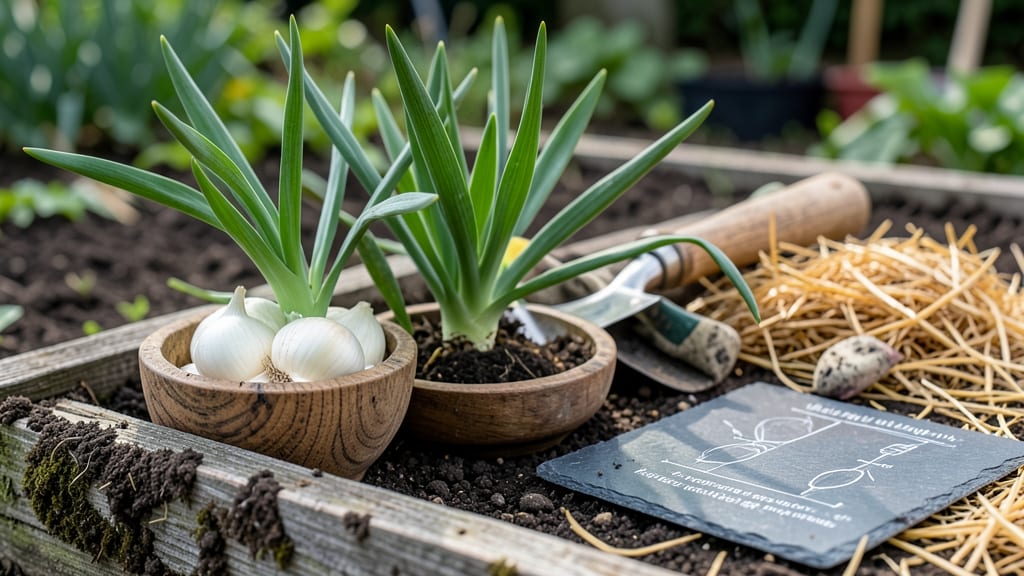
If you're asking "when should I plant garlic in Michigan", timing is everything—especially with our 5b-6b winters and unpredictable frost dates.
Planting too early or late can leave your 🧄 vulnerable to rot or stunted growth, while getting it just right means a bumper crop of flavorful bulbs by next summer.
Most Michigan gardeners swear by fall planting—between October and November—when soil temperatures drop but before the ground freezes solid. This gives garlic roots time to establish while the plant enters dormancy, ready to burst back to life in spring.
But don’t stress if you miss that window; early spring planting (March) can still work, though it’s riskier with Michigan’s late frosts.
Here’s the game-changer: hardy varieties like 'German White' or 'Music' thrive in our climate, but even the best cloves need proper prep. We’ll cover soil temperature tricks, mulching hacks, and how to adjust for your specific corner of the state—whether you’re in the Upper Peninsula or Detroit.
Ready to grow garlic that’s hardier, bigger, and more flavorful than store-bought? Let’s dive into the exact steps to plant your cloves for a late June harvest—Michigan-style.
Best planting months for garlic in Michigan: exact dates by region
Michigan’s diverse microclimates mean planting garlic isn’t a one-size-fits-all task. The Upper Peninsula and northern regions (like Marquette) have shorter growing seasons, while southern areas (like Detroit or Ann Arbor) enjoy slightly longer windows.
Aim to plant 4-6 weeks before the ground freezes, typically between mid-October and late November. This timing ensures roots establish before winter dormancy.
For Zone 5b (northern Michigan), start planting by October 15th—earlier than southern areas. In Zone 6a/6b (southern Michigan), you can push planting until November 1st.
Check your local USDA frost dates (like Mid-November for most of Michigan) to adjust. Pro tip: Use a soil thermometer—plant when soil temps hit 40-50°F.
Here’s how Michigan’s regions break down for garlic planting:
| Region | Best Planting Window | Key Adjustments |
|---|---|---|
| Northern Michigan (UP, Zone 5b) | October 1–15 | Plant by October 15th; shorter season |
| Central Michigan (Traverse City, Lansing, Zone 5b/6a) | October 15–31 | Flexible window; monitor frost dates |
| Southern Michigan (Detroit, Ann Arbor, Zone 6a/6b) | October 15–November 1 | Can plant slightly later; milder winters |
🌡️ Pro Tip: Use a soil thermometer to confirm 40–50°F temps before planting.
Spring planting is possible in Michigan, but it’s riskier due to late frosts. If you miss fall planting, try early March—but only in Zone 6b areas. Spring-planted garlic often yields smaller bulbs and is more vulnerable to rust disease.
For best results, stick to fall planting and use cold-hardy varieties like German White or Chesnok Red.
Michigan’s unpredictable spring weather can delay planting. If soil stays too wet or cold, wait until April 15th at the latest. Use row covers to protect young shoots from late frosts (common until May 15th).
In my garden, I’ve seen garlic planted in late November survive Michigan winters—just mulch heavily with straw or leaves.
Adjust for early frosts by planting hardneck varieties, which handle cold better. If frost hits before roots establish, cover beds with 6 inches of straw.
In 2020, an early October frost in northern Michigan caught many gardeners off guard—planting by September 30th ensured roots had time to anchor before winter.
For container growing, plant garlic in October using 5-gallon pots with drainage. Keep containers in a protected spot (like a garage) over winter, then move to full sun in spring. This method works well in urban Detroit gardens where ground planting isn’t feasible.
Always check Michigan State University Extension for localized advice. Their frost date maps are updated annually and account for microclimate variations. For example, Traverse City might have a 1-week earlier frost date than Grand Rapids—even though they’re close in distance.
Remember: Garlic needs cold exposure to form bulbs. Planting too late (after November 15th) can result in small, weak bulbs or no harvest at all.
In my Zone 6a garden, I’ve found that October 20th is the sweet spot—early enough for root growth, late enough to avoid early frosts.
🌱
Best planting months for garlic in Michigan: exact dates by region
Michigan’s USDA Zones 5b-6b mean garlic planting timing varies slightly—even between Detroit and the Upper Peninsula. The ideal window is 4-6 weeks before your first hard frost, typically mid-October to November.
For most of Michigan, this lands in late October, but northern regions like Marquette should plant by early October.
Southern Michigan (e.g., Detroit, Kalamazoo) has a slightly longer window—plant through early November. The Upper Peninsula (Traverse City, Sault Ste. Marie) must plant earlier due to colder winters, aiming for mid-to-late September.
Always check your local frost dates from the Michigan State University Extension for precision.
| Region | Best Planting Window | Soil Temp Goal | Key Adjustment |
|---|---|---|---|
| Upper Peninsula | Mid-Sept to Early Oct | 45-55°F | Plant earlier; use extra mulch. |
| Northern Lower Peninsula | Late Sept to Mid-Oct | 50-55°F | Avoid planting after October 15. |
| Detroit/SE Michigan | Late Oct to Early Nov | 50-60°F | Can push to November 10 if mild. |
Spring planting is risky in Michigan but possible if you miss fall. Plant hardneck varieties in early March—they’ll grow slower but still produce. Softneck varieties (like Silverskin) rarely succeed in Michigan springs due to inconsistent warmth.
If you try spring planting, use row covers to protect from late frosts.
Soil temperature is more critical than air temperature. Use a soil thermometer to confirm 45-60°F before planting. Cold soil (below 40°F) delays sprouting, while soil above 65°F can cause rot. In warmer microclimates (e.g., urban Detroit), wait until soil cools after summer heat.
Pro tip: Plant garlic in raised beds if your yard has clay-heavy soil or poor drainage—common in northern Michigan. Raised beds warm up faster in spring and drain better after heavy snowmelt. Add compost or aged manure before planting to improve fertility for next year’s harvest.
Missed the fall window? Don’t panic. Garlic cloves can store in a cool, dark place (like a paper bag in the fridge) until spring. Just plant them as soon as the ground thaws—even if it’s March.
Your harvest will be smaller, but you’ll still get edible bulbs by summer.