
Planting
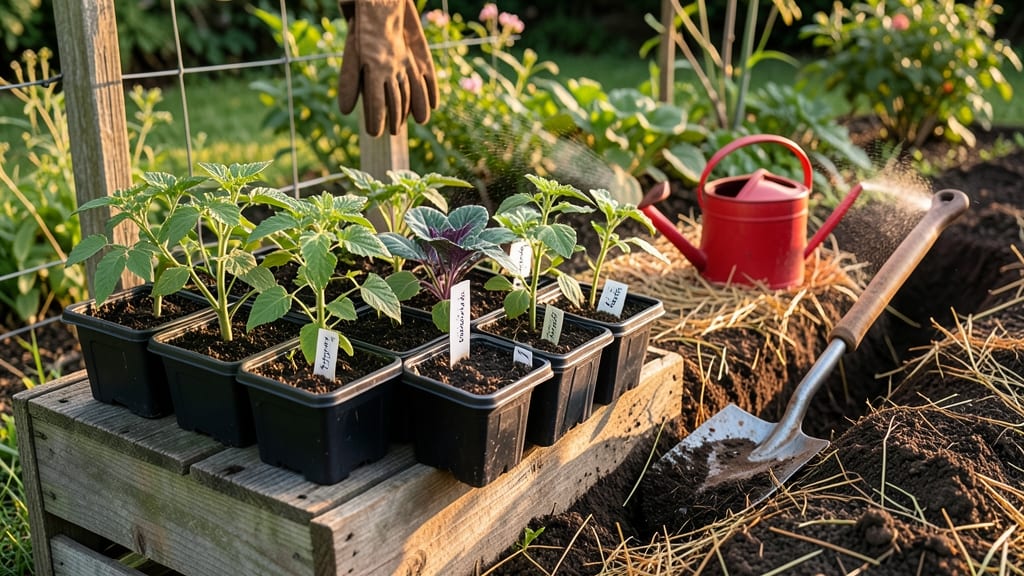
Timing when to plant a garden in Alabama 🌱 just right can mean the difference between a bountiful harvest and a sad, wilted disappointment—especially when Alabama’s heat hits like a summer storm.
Plant too early, and your seedlings might bolt before you even see them sprout; too late, and you’ll miss the sweet spot where crops thrive.
I’ve learned the hard way that Alabama’s 7a-8b climate zones demand precision—whether you’re in Birmingham’s cooler hills or Mobile’s balmy coast. The key? Knowing exactly when to tuck those seeds into the soil, from late February’s tentative spring starts to the fall replanting rush before November’s first frost.
What if I told you there’s a heat-tolerant strategy that lets you skip the bolting nightmare and grow lush tomatoes, okra, and peppers even when temps flirt with 90°F+**? It’s all about choosing the right varieties and planting them at the perfect moment—no guesswork, just green thumbs.
Let’s break down the exact months to plant, the crops that handle Alabama’s heat like champions, and how to adjust for your specific corner of the state. Your garden’s success starts here.
Alabama’s best planting months by season: exact dates to avoid bolting and heat stress
Alabama’s USDA Zones 7a-8b mean gardeners must work with a short window between frost threats and scorching summer heat. The key is planting cool-season crops in fall/winter and heat-tolerant varieties in late spring/early summer. Miss these timings, and you risk bolting (premature flowering) or heat stress that stunts growth.
North Alabama (e.g., Huntsville) has later last frosts (March 15), while South Alabama (e.g., Mobile) can start planting 2 weeks earlier (by February 28). Always check your local Alabama Cooperative Extension frost maps for precision.
For cool-season crops like lettuce and spinach, aim to plant 4-6 weeks before your last frost. In Birmingham, that’s mid-February; in Mobile, it’s early February.
Warm-season crops (tomatoes, peppers) need soil temps above 60°F, typically 2-3 weeks after last frost (early April in North Alabama, late March in South).
Bolting is a major risk for spring crops like broccoli and kale. If they sense warm nights (above 50°F) too early, they’ll bolt. Use shade cloth or row covers to delay warmth exposure.
Summer planting is all about heat tolerance. Okra, sweet potatoes, and Malabar spinach thrive in 90°F+ heat. Plant these after Memorial Day (mid-May) to avoid early-season pests. For fall gardens, start late summer (mid-August) to harvest before first frost (mid-November).
| Season | Planting Window | Key Crops | Soil Temp | Risk to Avoid |
|---|---|---|---|---|
| Early Spring | Feb 15 - Mar 15 (South) / Mar 1 - Apr 1 (North) | Peas, Lettuce, Spinach | 45-60°F | Late frost damage |
| Late Spring | Apr 15 - May 15 | Tomatoes, Peppers, Cucumbers | 60-70°F | Bolting from heat |
| Summer | May 30 - Jul 15 | Okra, Sweet Potatoes, Southern Peas | 70-90°F | Drought stress |
| Fall | Aug 15 - Sep 15 | Kale, Carrots, Radishes | 50-65°F | Early frost |
Use succession planting to extend harvests. For example, sow bush beans every 2 weeks from April to July for continuous production. In fall, focus on fast-maturing crops like radishes (30 days) or turnips (40 days) to beat frost.
Alabama’s humidity and clay-heavy soils demand extra care. Amend soil with compost before planting, and use mulch (straw or pine needles) to retain moisture. For container gardens, opt for self-watering pots to prevent drought stress in summer.
Pro tip: Mark your last frost date on a calendar and count backward for cool-season crops. For warm-season crops, wait until nighttime temps stay above 55°F consistently. This simple trick saves 90% of common planting mistakes in Alabama gardens.
Always monitor Alabama’s weather forecasts for sudden cold snaps or heat waves. The National Weather Service and local Cooperative Extension offices provide real-time updates that can mean the difference between a thriving garden and a failed crop.
How to adjust planting times for Alabama’s unpredictable weather: frost dates, rainfall patterns, and drought-proofing strategies
Alabama’s weather is famously fickle—one day you’re battling late spring frosts in Huntsville, and the next, Mobile is sweltering at 95°F by March. These shifts can derail even the most meticulous planting plans.
The key? Flexibility and preparation. I’ve learned to adjust my schedule based on soil temperatures, rainfall forecasts, and historical frost data from the Alabama Cooperative Extension System.
For instance, in North Alabama (USDA Zone 7a), the average last frost date is March 15, but I’ve seen it linger into April 5 in years like 2020. Meanwhile, South Alabama (Zone 8a) often enjoys frost-free conditions by February 28.
To hedge my bets, I start cool-season crops like broccoli and spinach indoors by February 1, then transplant them outdoors only after three consecutive nights above 40°F.
🔍 Did You Know? Alabama’s drought risk peaks in June and July, when rainfall can drop to just 3 inches per month. I’ve adapted by using drip irrigation and mulching with straw to lock in moisture.
For seedlings, I’ve even resorted to shade cloth during heatwaves to prevent bolting in heat-sensitive greens like lettuce.
⚠️ Warning: Late Frost Risks
North Alabama gardeners should wait until April 15 to plant warm-season crops like tomatoes and peppers, even if soil temps hit 60°F earlier. A 2017 frost in late March wiped out my entire basil crop—lesson learned! Use frost cloth as a backup.
South Alabama can plant 2 weeks earlier, but monitor National Weather Service alerts for unseasonal cold snaps.
Rainfall patterns also dictate my strategy. Alabama averages 55 inches annually, but May and October are the wettest months—ideal for succession planting of fast-growing crops like bush beans or radishes.
I space these plantings 2 weeks apart to ensure a steady harvest. Conversely, July and August often bring drought, so I prioritize drought-tolerant varieties like okra or sweet potatoes during these months.
To future-proof my garden, I’ve adopted a two-phase planting approach: Phase 1 (early spring/fall) focuses on hardy crops like kale and carrots, while Phase 2 (late spring/summer) shifts to heat-lovers such as eggplant and southern peas.
I also test soil moisture weekly using a soil probe—if it reads below 30% moisture, I trigger my drip system immediately.
For container gardens, which dry out faster, I’ve switched to self-watering pots filled with peat moss and perlite to retain moisture. And during extreme heat (above 95°F), I limit watering to early morning or late evening to prevent leaf scorch in sensitive plants like cucumbers.
Pro tip: Bookmark the Alabama Weather and Climate dashboard from Auburn University for real-time updates. It’s my go-to for 10-day forecasts and historical data to fine-tune my planting calendar. With these adjustments, I’ve turned Alabama’s unpredictability into an advantage—my garden now thrives where others struggle.