
Plants
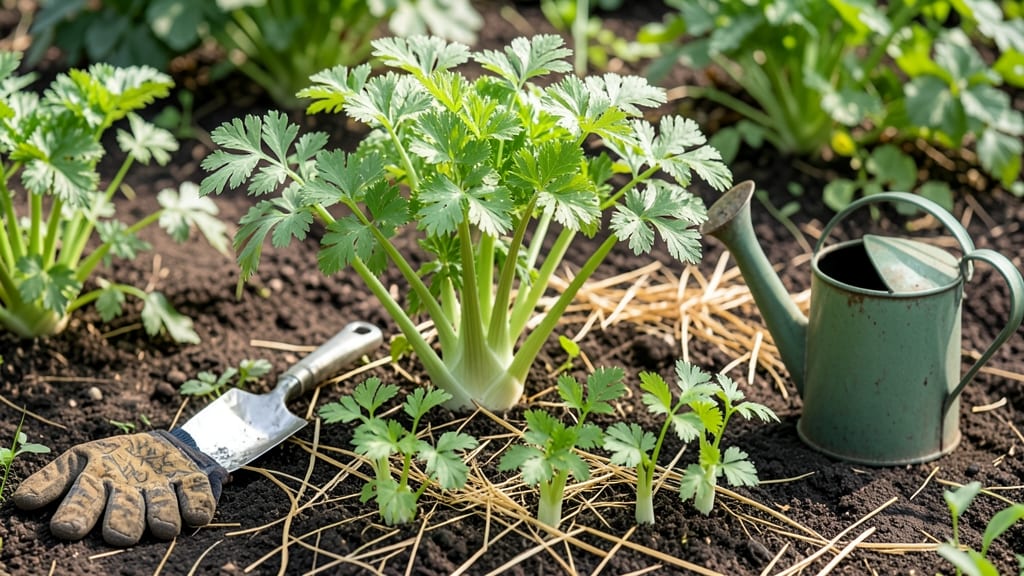
Planting celery in Florida at the wrong time can turn your garden into a sad, bolted mess—but get the timing right, and you’ll harvest crisp, flavorful stalks all year. The key? Avoiding Florida’s brutal summer heat, which sends celery into premature flowering mode faster than you can say “🥬 gone wrong.”
Unlike cooler climates, Florida’s frost-free zones (9a-11) let you grow celery year-round—but with a twist. The best windows? Early fall through winter and late spring, when temperatures stay mild enough to prevent bolting while still giving your plants 8-12 weeks to mature.
Skip summer, and you’ll end up with bitter, stringy stalks that taste like disappointment.
Here’s the game-changer: staggered planting. By spacing out your seeds every 3-4 weeks, you’ll enjoy a continuous harvest without gaps. Plus, I’ll show you how to beat the heat with shade tricks and soil hacks that keep your celery happy—even when Florida’s sun is at its fiercest.
Ready to grow celery that’s actually worth eating? Let’s dive into the exact months, varieties, and secrets that’ll transform your Florida garden into a crisp, green paradise.
Florida’s ideal celery planting windows: avoid bolting with these timing rules
Celery thrives in Florida’s mild winters but struggles with the brutal summer heat. The perfect planting windows are fall and early spring, when temperatures stay between 60°F and 75°F.
Outside these windows, your celery will bolt (go to seed) or develop bitter, stringy stalks. Let’s break down the exact months and microclimate adjustments to maximize your harvest.
In North Florida (Zones 8a-9a), where occasional frosts can occur, aim for September through March. The cooler temperatures and shorter days create ideal conditions for slow, steady growth. Meanwhile, South Florida (Zones 10a-11) gardeners can plant year-round, but summer planting is risky due to extreme heat and humidity.
Celery is a cool-season crop, meaning it prefers temperatures below 80°F. When daytime highs exceed 85°F, your plants will bolt within 2-3 weeks. This is why timing is critical—plant too early in spring or too late in fall, and you’ll face similar issues.
Let’s dive into the optimal planting schedule for both regions.
🌱
| Planting Window | Ideal Months | Temperature Range | Bolting Risk | Microclimate Tips |
|---|---|---|---|---|
| Fall Planting | September - November | 60°F - 75°F | Low | Use shade cloth in late fall to extend growing season |
| Winter Planting | December - February | 55°F - 70°F | Very Low | North Florida: Protect from rare frosts with row covers |
| Spring Planting | February - April | 65°F - 80°F | Moderate (early spring) | Start seeds indoors in March for transplanting in April |
| Summer Planting | May - August | Above 85°F | Very High | Avoid unless using heavy shade and frequent watering |
For fall planting, start seeds indoors 8-10 weeks before your average first frost date (which is rare in South Florida but possible in North Florida). Transplant seedlings outdoors in September for a winter harvest. If you miss this window, your celery will bolt before reaching maturity.
In spring, the key is to plant early enough to avoid the heat. February and March are ideal for direct sowing, but if you live in a hotter microclimate, like South Florida’s interior, consider succession planting every 2-3 weeks from January through April.
This staggered approach ensures a continuous harvest before the summer heat sets in.
One common mistake is planting celery in late spring or early summer. The combination of heat and humidity will cause your plants to bolt within 2-3 weeks, leaving you with bitter, inedible stalks.
Instead, focus on fall and early spring for the best results. If you’re determined to grow celery in summer, you’ll need to provide heavy shade and constant moisture—more on that in the next section.
💧
To further protect your celery, monitor soil temperatures. Celery prefers soil temps between 60°F and 75°F. If your soil heats up beyond 80°F, your plants will struggle. Use a soil thermometer to check before planting, especially in South Florida’s sandy soils, which heat up quickly.
Mulching with straw or wood chips can help regulate soil temperature and retain moisture.
Finally, remember that celery is a slow grower, taking 8-12 weeks to mature. Planting too late in the season means your crop won’t have enough time to reach harvest size before the heat sets in.
By following these timing rules, you’ll avoid bolting and enjoy crisp, flavorful celery all year in Florida.
Florida’s ideal celery planting windows: avoid bolting with these timing rules
Celery thrives in Florida’s mild winters but struggles with summer heat, which triggers premature bolting. The key to success is planting during cool-season windows when temperatures stay below 75°F.
My best results come from two primary planting periods: fall/winter and early spring, each offering crisp, flavorful stalks without the bitter taste of heat-stressed plants.
North Florida gardeners (Zones 8a-9a) have slightly cooler conditions, allowing for earlier fall and later spring plantings. Meanwhile, South Florida’s (Zones 10a-11) consistent warmth means focusing on winter months exclusively.
The goal is to align your planting with cooler temperatures and avoid Florida’s brutal summer, which can turn your celery into woody, pithy disappointment.
| Planting Window | Best Months | Ideal Soil Temp (°F) | Key Considerations |
|---|---|---|---|
| Fall/Winter | September–March (North FL) October–February (South FL) |
60–75°F (cooler = better) | Avoid bolting with shade cloth; use mulch to retain moisture. |
| Early Spring | February–April (North FL) | 65–72°F (plant early to escape heat) | Start seeds indoors 8–10 weeks before last frost (rare in FL, but use as guideline). |
| Summer (Risky) | June–August (Avoid!) | Above 80°F (leads to bolting) | Only attempt with heavy shade and daily watering; expect poor results. |
For North Florida, I recommend planting celery seeds directly in the garden from September to November, giving them time to mature before winter’s mild chill. Transplant seedlings in February or March for a spring crop, but rush them—celery hates Florida’s April heat.
In South Florida, focus on winter planting (October–February) and avoid spring attempts entirely, as temperatures climb too quickly.
One of my biggest mistakes was planting celery in May for a summer harvest. The stalks bolted within weeks, producing bitter, stringy stalks. Since then, I’ve learned to stagger plantings every 3–4 weeks in fall/winter to ensure a continuous supply.
This works especially well in North Florida, where cooler nights extend the growing season.
If you’re in South Florida, prioritize shade and consistent moisture during winter. Use 30–50% shade cloth to filter harsh afternoon sun, even in cooler months. I’ve had success growing celery under palm trees or near east-facing walls, where morning light dominates.
Pair this with daily watering (celery needs 1–2 inches of water weekly) to keep soil evenly moist.
Remember: Celery is a cool-season crop, and Florida’s climate demands patience. Plant too late, and you’ll end up with bolted, inedible stalks. But with the right timing—fall/winter or early spring—you’ll enjoy crisp, homegrown celery year-round, even in the Sunshine State. 🥬