
Plants
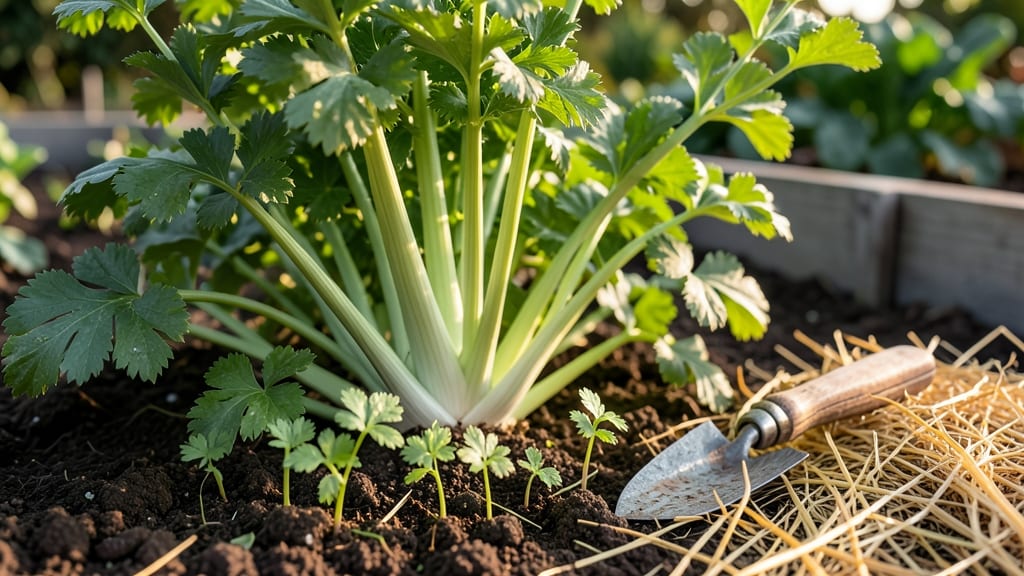
If you’ve ever planted celery 🥬 in North Carolina only to watch it bolt into bitter stalks before harvest, you’re not alone—and the fix starts with timing.
The difference between crisp, flavorful celery and a disappointing garden often comes down to when you transplant those seedlings, especially in zones 7a-8b.
Here’s the game-changer: Celery thrives in NC’s mild winters and long summers, but it’s frost-sensitive and hates heat. Plant too early, and frost will kill it; too late, and summer’s sweltering temps trigger bolting.
The sweet spot? March-April for spring and August-September for fall, with soil temps between 60-70°F—but there’s more to it than just dates.
In this guide, I’ll break down the exact transplant windows for your region, how to calculate frost-free dates, and which bolt-resistant varieties perform best in Piedmont vs. Coastal NC.
Whether you’re a first-time gardener or a seasoned pro, these tips will help you grow celery that’s crisp, flavorful, and ready to harvest—without the bitter disappointment.
Ready to master the timing? Let’s get your celery growing the right way.
Best transplant timing for celery in NC to avoid bolting
North Carolina’s USDA zones 7a-8b create a tricky balance for growing crisp, bolt-free celery. The key to success lies in transplanting at the right time—when soil temperatures are cool enough to prevent premature bolting but warm enough to ensure strong root establishment.
For most of NC, this means two ideal transplant windows: early spring (March-April) and late summer (August-September).
Celery is a cool-season crop that hates heat, so timing your transplants to avoid NC’s oppressive summer months (June-August) is critical. If you plant too early, frost can damage young seedlings. Too late, and the heat triggers bolting—turning your crisp stalks into bitter, flower-filled disappointment.
Let’s break down the science behind these transplant windows and how to calculate your local frost-free dates to get it right.
📅 Frost-Free Dates in NC: The average last frost date ranges from mid-March in the Coastal Plain to early April in the Mountains. For this guide, we’ll focus on the Piedmont region (Raleigh-Durham area), where the last frost typically occurs around March 28-April 10. Use the National Weather Service or Almanac.com to find your exact local dates.
| Transplant Window | Soil Temperature | Days to Maturity | Bolting Risk |
|---|---|---|---|
| Early Spring (March 15 - April 15) | 50-60°F (10-15°C) | 100-130 days | Low (cool temps prevent bolting) |
| Late Summer (August 1 - September 10) | 65-75°F (18-24°C) | 80-100 days | Moderate (heat stress increases risk) |
| Fall (September 15 - October 15) | 60-70°F (15-21°C) | 90-110 days | Low (cooler temps return) |
🌱 Best Window: Early Spring or Late Summer
For spring transplants, aim to have seedlings ready to go into the garden 2-3 weeks before your last frost date. This gives them time to establish roots before summer heat arrives.
If you’re starting from seed, begin indoors 10-12 weeks before transplanting—celery seeds germinate slowly in cool soil.
In late summer, the goal is to transplant 6-8 weeks before your first frost (typically mid-October in NC). This window works because daytime temperatures start cooling, reducing bolting risk.
However, you’ll need to provide afternoon shade (more on this in the next section) to protect plants from lingering summer heat.
One common mistake is waiting too long into fall. If you transplant after September 15, your celery may not mature before frost—especially in NC’s higher elevations (Mountains). Use a row cover to extend the season by 2-3 weeks if needed.
Pro tip: Test your soil temperature before transplanting. Use a soil thermometer to confirm it’s in the ideal range (50-60°F for spring, 65-75°F for fall).
If soil is too warm, wait a few days or provide shade cloth to cool the roots. Overheated soil is a surefire way to trigger bolting.
Finally, remember that NC’s Coastal Plain (e.g., Wilmington, Fayetteville) has a slightly longer growing season than the Piedmont or Mountains. Coastal gardeners can push spring transplants 1-2 weeks earlier and fall transplants 1-2 weeks later without bolting risks. Always adjust based on your microclimate!
With these transplant windows and soil temperature guidelines, you’ll be well on your way to growing crisp, flavorful celery that never bolts—no bitter surprises here! 🥬
Best transplant timing for celery in NC to avoid bolting
North Carolina's USDA zones 7a-8b create a tricky balance for growing crisp celery—too early, and frost zaps tender seedlings; too late, and summer heat triggers bolting. The sweet spot? Transplanting after your last frost date (typically mid-April) but before soil temperatures hit 80°F+, which stresses celery roots.
For most of NC, this means late March to early April for spring plantings, with a second window in late August for fall harvests. Coastal areas (like Wilmington) can push spring transplants slightly earlier, while the Piedmont (Raleigh area) may need to wait until early April to avoid late frosts.
Celery is a cool-season crop, meaning it thrives when daytime highs stay below 75°F. In NC's heat, bolting becomes inevitable—so timing your transplant to align with mild spring or fall weather is your best defense against bitter, seed-stalk-heavy disappointment.
| Planting Window | Soil Temp | NC Region | Key Tip |
|---|---|---|---|
| Late March - Early April | 50-65°F | Coastal/Piedmont | Use shade cloth if temps rise above 75°F |
| Late August - Early Sept | 60-70°F | Mountains | Avoid planting after Sept 10 to ensure harvest before frost |
| Early May (succession) | 55-65°F | All Regions | Provide afternoon shade to prevent bolting |
To pinpoint your exact transplant date, check the NC State Climate Office for your local frost-free date, then add 2-3 weeks to ensure soil is workable. For example, Asheville's last frost is typically April 15, while Charlotte's is March 25—so adjust accordingly.
Pro tip: Harden off seedlings for 7-10 days before transplanting by gradually exposing them to outdoor conditions. This toughens stems and reduces shock, giving your celery a stronger start in NC's humid summers.
Remember, celery is a biennial in NC but grown as an annual—meaning it won't survive winter here. Plan your transplant timing to harvest before the first frost (usually mid-October), or opt for bolt-resistant varieties like 'Tall Utah' to buy yourself extra time.