
Plants
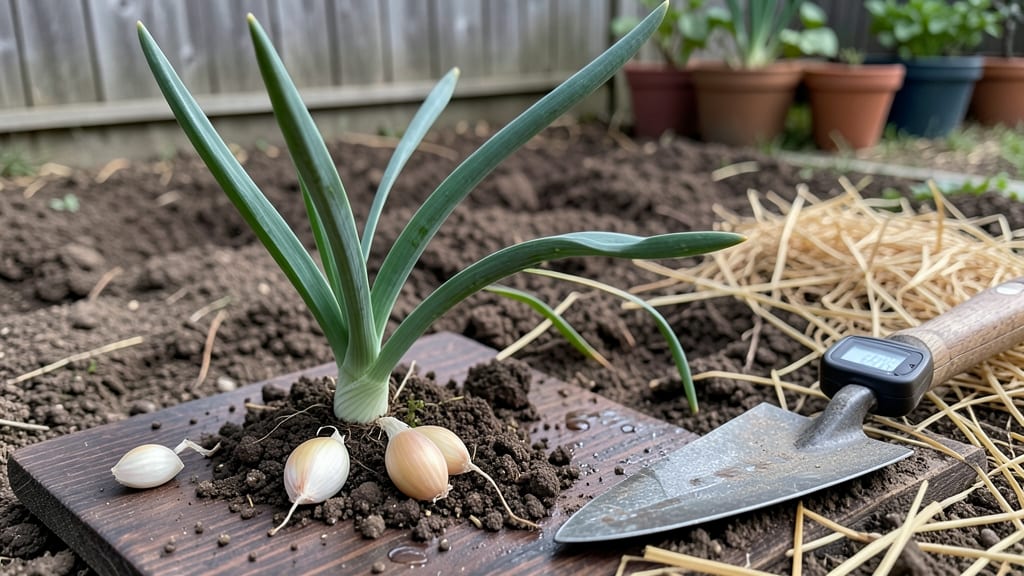
If you’ve ever planted garlic in South Florida only to watch it bolt into flower stalks instead of forming plump bulbs, you’re not alone. The key to avoiding this common frustration lies in knowing when to plant garlic in South Florida—and how to work with the region’s unique microclimates.
Unlike cooler climates, South Florida’s 10b-11 zone means garlic thrives year-round with the right timing. Fall planting (October–November) or winter planting (January–February) gives your 🧄 the best shot at success, but even small shifts in temperature or humidity can make or break your harvest.
What sets South Florida apart? Coastal areas near Miami may handle early fall planting better, while inland zones like Orlando need cooler winter soil to prevent bolting. I’ll break down the exact windows and microclimate hacks to ensure your garlic stays focused on bulbs—not flowers.
Ready to grow bigger, healthier garlic? Let’s dive into the science-backed strategies that actually work in Florida’s heat and humidity, so you can enjoy a harvest of bold, flavorful cloves instead of disappointment.
Optimal South Florida garlic planting windows by microclimate zone
South Florida’s microclimates create unique challenges for garlic growers. Unlike northern states, we don’t have frost to signal planting time—so soil temperature and humidity levels become your best guides.
Coastal areas like Miami stay warmer longer, while inland Orlando experiences slightly cooler nights. The Everglades? A whole different ballgame with its high moisture and shade variations.
For maximum bulb size and minimal bolting, aim to plant garlic when daytime highs hover around 75-80°F and nighttime lows dip to 60-65°F. This sweet spot helps bulbs develop without triggering the plant’s flowering response—a common problem in Florida’s heat.
Let’s break down the best windows for each zone.
📌 PRO TIP: Use a soil thermometer (available for ~$15) to verify temperatures before planting. Stick it in the ground at 4-inch depth—this is where garlic roots will grow.
| Microclimate Zone | Best Planting Window | Soil Temp Goal (°F) | Key Considerations |
|---|---|---|---|
| Miami/Dade (Coastal) | Late October - Early November OR January | 65-70°F (day) / 60°F (night) | Salt spray risk; use raised beds 2+ ft high for drainage |
| Orlando/Lake County (Inland) | October 15 - November 15 OR December 15 - January 15 | 60-68°F (day) / 55°F (night) | Cooler nights; can handle hardneck varieties better |
| Everglades (High Humidity) | September 20 - October 10 (fall) OR February 1 - February 15 (winter) | 70-75°F (day) / 65°F (night) | Prioritize well-draining soil; fungal diseases thrive in standing water |
| Panhandle (Northern SF) | November 1 - November 30 OR January 20 - February 10 | 58-65°F (day) / 50°F (night) | Closest to "traditional" garlic zones; can try hardneck varieties |
🌱 NOTE: Adjust 2-3 weeks earlier if your area experiences unusually cool spells.
If you miss the ideal windows, don’t panic—garlic is perennial in Florida and can handle late plantings. However, bulbs may be smaller. For a second harvest, try planting in late February (aim for a June harvest before summer’s peak heat).
Just be prepared for more bolting in these later plantings.
For urban gardeners in condo courtyards or small yards, consider container growing. Use pots at least 12 inches deep with cactus/succulent mix (30% perlite) to improve drainage. Place containers where they’ll get morning sun only—this mimics the partial shade garlic prefers in Florida’s heat.
One critical mistake I see often? Planting garlic in summer. The heat will cause 100% bolting—that’s when the plant sends up a flower stalk instead of forming bulbs.
If you’re desperate for a summer crop, try green garlic (harvest the shoots before bulbing) or elephant garlic, which handles heat slightly better.
Pro tip: Mark your planting dates on a garden calendar (or use your phone’s notes app) with harvest reminders. Florida’s harvest windows are April-May for fall plantings and June-July for winter plantings. If you wait too long, bulbs may split or rot in the humid soil.
Finally, test your soil’s pH before planting—garlic thrives in 6.0-7.0. Florida’s native soil is often too acidic (below 6.
How to prevent garlic bolting in Florida’s heat (5 proven hacks)
South Florida’s warm winters and intense summer heat create the perfect storm for garlic bolting—when your plants send up flower stalks instead of forming bulbs. This wastes your effort and harvest, but with these 5 science-backed hacks, you can keep your garlic focused on bulb development.
First, choose the right varieties. Softneck varieties like Silverskin or Artichoke handle Florida’s heat better than hardnecks. These types are bred to tolerate warmer conditions without bolting prematurely, making them ideal for our USDA Zones 10b-11.
- Use shade cloth (30-50%) during peak afternoon sun (12 PM - 3 PM) to lower soil temps by 5-10°F.
- Monitor soil temperature—keep it below 75°F at planting depth (2 inches). Use a soil thermometer to track.
- Plant in raised beds with well-draining soil mixed with compost to prevent overheating.
- Avoid over-fertilizing with nitrogen. Use a balanced 5-10-10 fertilizer sparingly to prevent rapid growth.
- Harvest early if stalks appear—pull and braid the stalks to redirect energy back to bulb development.
Another critical trick is timing your planting. In South Florida, aim for October-November or January-February windows. These months give your garlic enough cool weather to establish roots before the heat ramps up. If you plant too late (like March), the rising temperatures will trigger bolting within weeks.
For container gardening, use black pots to absorb heat and white pots for shade. Place containers in partial shade during summer months, then move them to full sun in cooler seasons. This mimics the natural light conditions garlic prefers without overheating the soil.
Finally, mulch heavily with straw or leaves (3-4 inches thick) to insulate the soil. This keeps temperatures stable and retains moisture, reducing stress on your plants. Just
With these hacks, you’ll minimize bolting and maximize your garlic harvest—even in Florida’s challenging climate. Start small, experiment with varieties, and soon you’ll have plump, flavorful bulbs ready for April-May harvests!