
Companion Plants
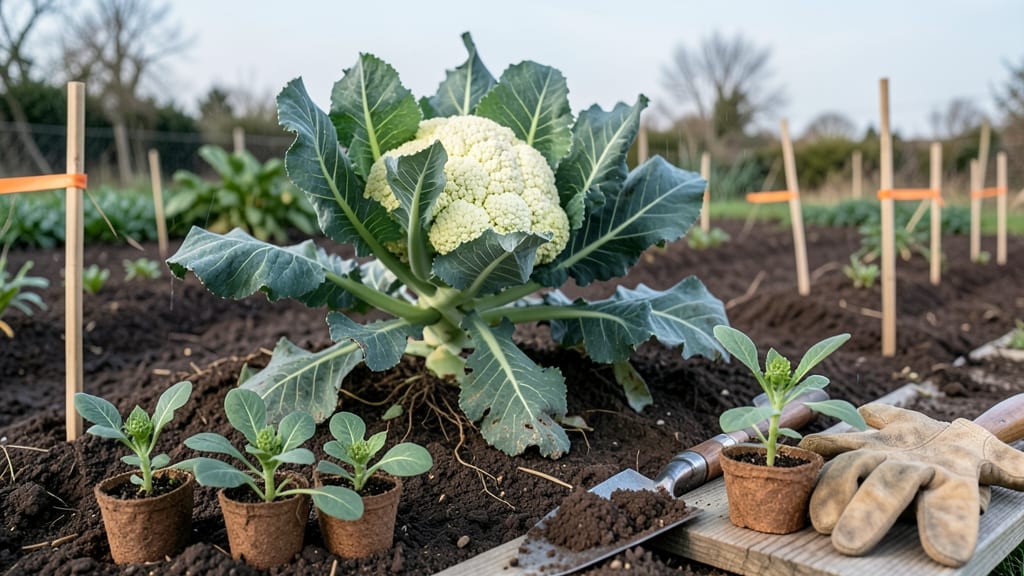
Timing your 🥬 cauliflower planting in Pennsylvania isn’t just about avoiding frost—it’s about matching varieties to your local chill hours to prevent that dreaded bolting. One wrong move, and you’ll end up with bitter, flower-filled heads instead of the tender curds you’re craving.
Pennsylvania’s Zone 6a climate means you’ve got two prime windows to plant: spring (March 15–April 30) and fall (September 1–September 30). But not all cauliflower is created equal—some varieties need 3,000 chill hours, while others thrive with 5,000+.
Get this wrong, and your harvest could vanish before it even starts.
I’ll show you exactly which varieties work best for your region—whether you’re in Pittsburgh’s cooler microclimate or Philadelphia’s slightly warmer pockets—and how to time your seeds for maximum success. No more guesswork, just foolproof planting.
Ready to grow perfect cauliflower heads? Let’s break down the science behind PA’s chill-hour zones and the step-by-step calendar you need to avoid common mistakes. Your garden’s about to get a whole lot smarter.
PA’s chill-hour zones explained: matching cauliflower varieties to your location
Pennsylvania’s diverse chill-hour zones (ranging from 3,000–5,000+ hours) mean your cauliflower’s success hinges on picking the right variety for your region. Northern PA (Zones 4–5) needs cold-hardy types like ‘Purple of Sicily’, while southern PA (Zones 6–7) thrives with faster-maturing ‘Snowball Y’.
Understanding these zones prevents bolting—when cauliflower prematurely flowers due to heat stress.
Cauliflower requires chill hours to form heads, and PA’s zones vary dramatically. For example, Pittsburgh (Zone 6a) gets about 4,500 chill hours, while Erie (Zone 5b) sees 5,500+ hours.
Matching varieties to your zone ensures heads form properly before summer heat arrives. Skip this step, and you’ll end up with tough, bitter curds or no harvest at all.
Here’s how to decode your zone and pick the perfect cauliflower:
| Zone | Chill Hours | Best Varieties | Planting Window |
|---|---|---|---|
| 4–5 (Northern PA) | 5,000+ hours | ‘Purple of Sicily’, ‘Snowball Improved’ | March 1–April 15 (indoors), May 1–June 1 (outdoors) |
| 5–6 (Central PA) | 4,000–5,000 hours | ‘White Rabbit’, ‘Cheddar’ | March 15–April 30 (indoors), April 15–May 15 (outdoors) |
| 6–7 (Southern PA) | 3,000–4,000 hours | ‘Snowball Y’, ‘Romanesco’ | April 1–May 15 (indoors), May 1–June 1 (outdoors) |
The ‘Snowball Y’ variety, for example, matures in just 60–70 days, making it ideal for southern PA’s shorter growing season. Meanwhile, ‘Purple of Sicily’ takes 80–100 days but handles cooler temps better—perfect for northern PA’s longer winters.
Always check seed packets for days to maturity and adjust your planting timeline accordingly.
For fall harvests, start seeds indoors 100–120 days before your first frost (typically late July in PA). This ensures heads form before winter sets in. Use row covers to extend the season by 2–3 weeks in both spring and fall, shielding plants from unexpected frosts.
Pro tip: Test your soil’s pH level before planting—cauliflower thrives in 6.0–7.0 pH. Amend with lime if your soil is too acidic, or sulfur if it’s alkaline. A simple soil test kit (available at garden centers) makes this easy.
Bolting is the #1 enemy of cauliflower growers in PA. To avoid it, never let soil temps rise above 80°F—use shade cloth during heatwaves. Also, water consistently; fluctuating moisture triggers stress and bolting. Mulch with straw or grass clippings to keep roots cool and soil moist.
If you’re in Zone 5 or colder, prioritize late-season varieties like ‘Graffiti’ (a colorful, bolt-resistant hybrid). For Zone 6–7, opt for early maturing types like ‘Early Snowball’ to beat the summer heat.
Always plant 4–6 weeks before your last frost date for spring harvests, or 100–120 days before your first frost for fall.
Remember: Location matters. A garden in Philadelphia (Zone 7b) can handle ‘Snowball Y’ direct-sown in early spring, while State College (Zone 6a) needs to start seeds indoors for a reliable crop. Use your local cooperative extension office for precise frost dates and microclimate tips.
With the right variety and timing, you’ll go from seed to harvest in PA’s unpredictable climate—no bitter surprises included. 🥬
Step-by-step planting calendar: when to start seeds indoors vs. direct sowing in PA
Timing is everything when growing cauliflower in Pennsylvania. Start seeds indoors 4–6 weeks before your last frost date—typically mid-February to early March for most of PA. This gives seedlings a head start before transplanting outdoors in late April to early May.
For fall harvests, begin seeds indoors late July to early August for transplanting in late August to early September.
Direct sowing is trickier in PA’s short season. Only attempt it after soil temperatures reach 40°F (usually mid-April to May). Use black plastic mulch to warm the soil faster and protect young plants from late frosts.
Southern PA gardeners have a slightly longer window—March 15–April 30—while northern regions should wait until late April to May 15.
📅 Spring Planting Timeline
- Feb 15–Mar 1: Start seeds indoors under grow lights (6–8 hours/day). Use seedling trays with sterile potting mix.
- Mar 15–Apr 1: Harden off seedlings by placing them outdoors for 2–3 hours daily in protected spots.
- Apr 15–May 1: Transplant seedlings 18–24 inches apart in well-draining soil with compost added.
- May 15–Jun 1: Mulch with straw or grass clippings to retain moisture and suppress weeds.
For fall cauliflower, the process mirrors spring but in reverse. Start seeds indoors July 15–Aug 1 and transplant Aug 15–Sep 1. This ensures heads mature before first frost (mid-October). Use row covers to extend the season by 2–3 weeks if needed.
Pro tip: Monitor soil temperature with a thermometer—cauliflower roots struggle below 45°F. If your soil is too cold, delay planting or use black plastic mulch to create a warmer microclimate. This is especially critical in Zone 5 (northern PA), where frosts linger longer.
Direct sowing in PA’s climate is risky but possible if you’re patient. Sow seeds after May 15 when soil is consistently 50°F+. Thin seedlings to 18 inches apart and keep soil moist to prevent bolting.
This method works best in southern PA (Zones 6–7), where summers are longer.
Remember: Cauliflower hates heat. If temperatures exceed 80°F, heads may bolt or turn bitter. Use shade cloth (30–50%) during summer to keep plants cool and happy. In PA, this means focusing on spring and fall plantings for the best results.