
Plants
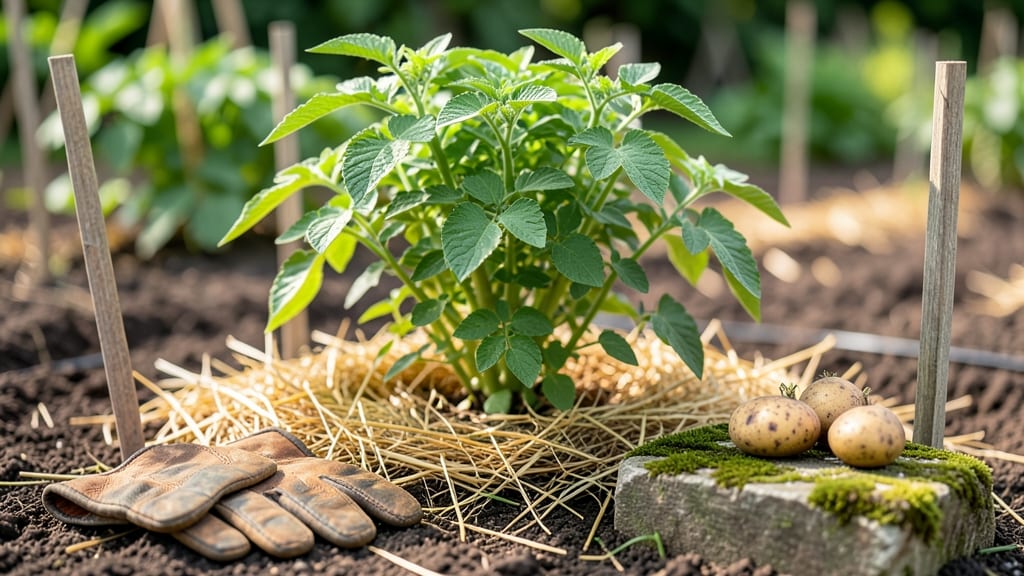
Idaho’s chill-hour zones: the exact planting window to avoid bolting
Idaho’s diverse climate—from the high desert of Boise to the mountain valleys of Priest Lake—means one-size-fits-all planting advice won’t work. Potatoes need chill hours (32°F–45°F) to break dormancy, and Idaho’s zones range from 3,000 to 7,000 hours.
Plant too early, and you risk bolting (premature flowering) from warm nights. Too late, and your harvest shrinks before frost.
Most Idaho gardeners focus on USDA Zones 4–7, but elevation plays a bigger role. For example, Moscow (Zone 6) averages 5,500 chill hours, while Boise (Zone 7) sees only 4,200 hours.
This mismatch explains why early varieties fail in low-chill areas. The key? Match your potato variety to your local chill-hour band.
Here’s the critical rule: Plant when soil hits 45°F and you’ve accumulated at least 3,000 chill hours. Use a soil thermometer—Idaho’s rocky soils warm unevenly.
In Zone 4 (north Idaho), aim for late April to early May. In Zone 7 (south Idaho), wait until mid-May to avoid bolting.
| Chill-Hour Zone | Idaho Locations | Planting Window | Soil Temp Goal | Risk of Bolting |
|---|---|---|---|---|
| 3,000–4,000 hrs | Priest Lake, Sandpoint | Late April–Early May | 45°F (7°C) | Low (short-season vars) |
| 4,000–5,000 hrs | Moscow, Coeur d’Alene | Early May–Mid-May | 48°F (9°C) | Moderate (choose mid-season) |
| 5,000–6,000 hrs | Boise, Twin Falls | Mid-May–Early June | 50°F (10°C) | High (late vars only) |
| 6,000+ hrs | Low-elevation desert | Early June–July | 55°F (13°C) | Very High (fall planting) |
Bolting is your worst enemy in Idaho. It happens when potatoes sense long daylight + warm nights and shift energy to flowers instead of tubers. In Zone 7 (Boise), planting Yukon Gold in April risks bolting by June.
Instead, wait until mid-May when nights stay cooler. For Zone 4 (north Idaho), early varieties like Red Pontiac thrive with 3,500–4,500 chill hours.
Don’t rely on calendar dates—soil temperature is non-negotiable. Stick your finger in the dirt: if it’s too cold, roots won’t form. If it’s too warm, tubers shrivel.
Idaho’s rocky soils heat up faster than loam, so plant 2 weeks later in gravelly areas. Use black plastic mulch to warm soil 5–7°F faster in cold pockets.
For fall planting (a gamble in Idaho), aim for late July–early August when days shorten. Only late-maturing varieties (e.g., Kennebec) survive until frost. Harvest before first frost—Idaho’s Zone 4 sees frost by October 15, while Zone 7 holds until November 1.
Local data matters: Check Idaho USDA frost maps for your last frost date. In Moscow, it’s May 10; in Boise, April 20.
Plant 4–6 weeks before your last frost to ensure tubers form before heat stress. Use row covers if late frosts linger—Idaho’s frost pockets can kill seedlings overnight.
Variety choice seals success. Early-season potatoes (e.g., Red LaSoda) need 70–90 days and 3,000–4,000 chill hours. Mid-season (e.g., Russet Burbank) handle 4,000–5,000 hours. Late-season (e.g., Kennebec) tolerate 5,000+ hours but risk frost in Zone 4. Always check seed packet chill-hour requirements.
Test your soil’s chill accumulation with a minimum-maximum thermometer. Bury it 4 inches deep in December and log temps weekly. If your area hits 3,000 hours by March, you’re ready for early varieties. If not, wait until
Step-by-step potato planting calendar for Idaho’s microclimates
Idaho’s diverse elevations—from 2,000 to 8,000 feet—create microclimates where a 4-week planting difference can mean the difference between a bountiful harvest and bolting. Use this month-by-month guide to align your schedule with Idaho’s frost pockets, rocky soils, and variable last-frost dates (typically May 15–June 1).
Start by testing your soil temperature: potatoes thrive when soil reaches 45°F. In lowland areas (Boise Valley), this happens by early April, while mountain regions (Priest Lake) may wait until late May. Use a soil thermometer to confirm readiness—planting too early in cold soil invites rot.
🌱 Visual Guide: Idaho Potato Planting Timeline
- 🔧 Loosen soil to 12 inches deep, breaking up rocky Idaho clay with a broadfork.
- 🌿 Add compost (2–3 inches) to improve drainage—critical for Idaho’s poorly drained pockets.
- 📋 Test pH (aim for 5.0–6.5); amend with lime if needed.
- Low elevations (Zone 6–7): Plant early varieties (e.g., Red LaSoda) by April 15–May 1.
- Mid elevations (Zone 5): Wait until May 1–15 for mid-season types (Yukon Gold).
- High elevations (Zone 4): Plant late varieties (Kennebec) after June 1.
- 💧 Water deeply (1–2 inches/week) to prevent hollow hearts.
- 🪴 Hill soil around stems as plants grow (every 4–6 inches) to expose more tuber surface.
- ✂️ Remove flowers if bolting occurs (common in hot Idaho summers).
For late starters, use Idaho’s 4-week buffer rule: if your last frost is June 10, plant by May 12 to ensure tubers mature before first frost (Sept 15–Oct 1). In frost pockets (e.g., Lewiston Valley), opt for fast-maturing varieties (60–70 days) like Norland.
Mulch with straw or grass clippings after planting to retain moisture—Idaho’s dry winds can dry out soil quickly. Avoid plastic mulch, which traps heat and risks bolting. Monitor for cutworms (common in Idaho’s sandy soils) by checking plants at dusk.
Harvest timing varies: new potatoes can be dug at 70 days, while storage varieties need 90–120 days. Cure tubers for 1–2 weeks in a cool, dark place (50°F) to toughen skins—essential for Idaho’s humid fall storage challenges.