
Plants
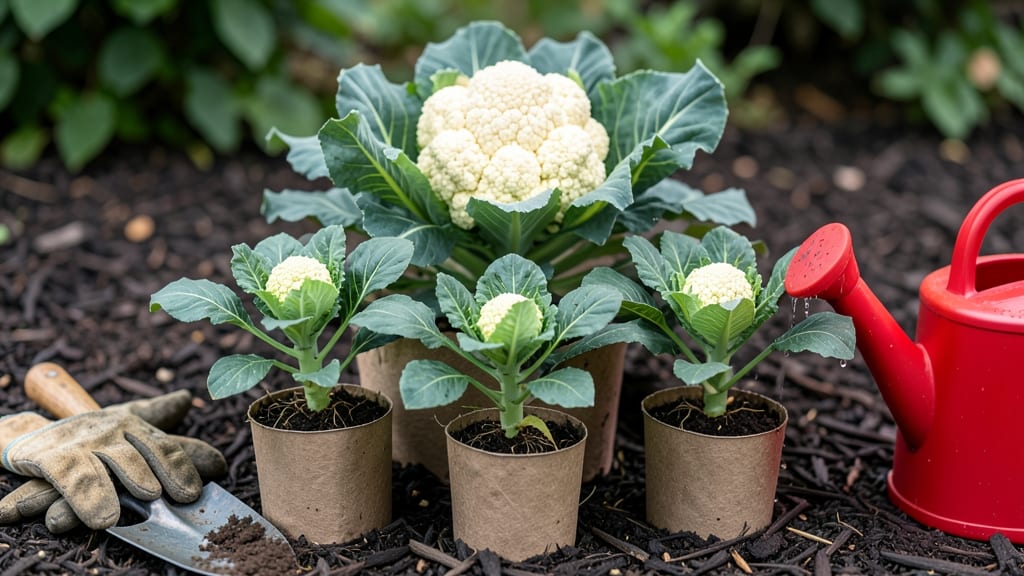
If you've ever tried growing cauliflower in Florida only to watch your plants bolt before producing a single head, you're not alone. The state's warm climate makes timing everything—get it wrong, and your 🥬 crop disappears faster than a summer breeze.
Here's the secret: Florida's microclimates create three distinct planting zones, each with its own perfect window. Whether you're in North Florida's cooler winters or South Florida's year-round warmth, knowing exactly when to plant can mean the difference between a bountiful harvest and bitter disappointment.
I'll show you the precise months to plant for each region, plus pro tips to prevent bolting and maximize your yield. No more guessing games—just reliable, Florida-specific advice that actually works.
Ready to grow cauliflower that thrives? Let's dive into the timing that'll have you harvesting heads from December through June without a single plant going to seed.
Florida’s 3 microclimates for cauliflower planting: timing by region
Florida’s climate varies dramatically from North to South, making cauliflower planting windows a moving target. Unlike northern states, Florida’s frost-free zones (USDA 9a-11) allow year-round growing—but only if you adapt your strategy.
The key is planting when daytime temps stay below 80°F and nights dip into the 50s-60s°F range to prevent bolting.
North Florida’s cooler winters (think Jacksonville or Gainesville) let you push the envelope with fall and spring plantings. Central Florida’s mild winters (Orlando, Tampa) create a sweet spot for extended fall harvests.
Meanwhile, South Florida’s hotter year-round climate (Miami, Fort Lauderdale) demands shade and heat-tolerant varieties to succeed. Let’s break down the best planting times for each zone.
| Region | Planting Window | Key Temp Threshold | Harvest Window | Microclimate Tips |
|---|---|---|---|---|
| North Florida (Zones 8a-9a) | September 15 - October 31 (fall) and February 15 - March 15 (spring) | Daytime: 70-78°F, Nighttime: 50-60°F | December - February (fall) and May - June (spring) | Use row covers for early fall protection; watch for light frosts (rare but possible). |
| Central Florida (Zones 9b-10a) | August 15 - October 15 (fall) and January 15 - February 15 (spring) | Daytime: 75-80°F, Nighttime: 55-65°F | November - January (fall) and April - May (spring) | Prioritize shade cloth (30-50%) in late summer to cool soil. Avoid July-August plantings. |
| South Florida (Zones 10b-11) | July 15 - August 31 (summer) and December 15 - January 15 (winter) | Daytime: 78-82°F, Nighttime: 60-70°F | September - October (summer) and March - April (winter) | Choose heat-tolerant varieties like ‘Cheddar’ or ‘Purple of Sicily’. Use drip irrigation to avoid wetting leaves. |
For all regions, soil temperature is just as critical as air temperature. Cauliflower seeds won’t germinate well above 85°F, so use a soil thermometer to confirm conditions. Aim for 55-75°F soil temps—any hotter, and you’ll struggle with poor germination or bolting.
In South Florida, July plantings are risky unless you’re using shade structures.
Another pro tip: Transplanting (instead of direct sowing) gives you more control. Start seeds indoors 6-8 weeks before your target planting date, then move them out when soil temps drop.
This extends your season by 2-3 weeks compared to direct sowing. Just be sure to harden off seedlings for 7-10 days before transplanting to avoid shock.
North Florida gardeners have the easiest timing thanks to cooler winters, but don’t overlook spring plantings. While fall is the primary window, a February-March crop can yield heads by May or June before summer heat sets in.
The trade-off? Shorter daylight in winter can slow growth, so supplement with grow lights if needed.
Central Florida’s mild winters let you double-crop in some years. After harvesting your fall crop in January, you might squeeze in a late-winter transplant for a spring harvest by April.
Just monitor humidity levels—Florida’s sticky air can promote disease, so space plants 18-24 inches apart for airflow.
South Florida’s year-round growing potential is a gardener’s dream—but cauliflower’s cool-season needs make it a challenge. The July-August window is your best bet for summer plantings, but success hinges on shade and irrigation.
Pair your cauliflower with tall sunflowers or corn to create natural shade, or invest in a removable shade cloth for peak heat hours.
Regardless of your region, avoid planting during Florida’s hottest months (June-September in most areas). The combination of heat and humidity pushes cauliflower into bolting mode faster than you can say “bitter florets.”
Instead, think of cauliflower as a cool-season crop and plan accordingly—your harvest will thank you.
For extra insurance, test your soil pH before planting. Cauliflower thrives in neutral to slightly alkaline soil (pH 6.5-7.0). Florida’s native soils often lean acidic, so amend with lime or wood ash if needed.
A soil test kit (available at local nurseries) costs $10-$20 and saves you from nutrient deficiencies later.
Finally, don’t forget that Florida
How to avoid cauliflower bolting in Florida’s heat: cool-season hacks
Florida’s warm climate makes cauliflower bolting a real challenge—those 60-85°F sweet spots for growth shrink fast. But with the right tricks, you can trick your plants into thinking it’s cooler, extending your harvest window. The key? Shade, soil cooling, and smart spacing to keep stress at bay.
First, shade cloth is your best friend during Florida’s fall and spring transitions. A 30-50% shade cloth reduces soil temps by 10-15°F, preventing premature flowering. I’ve seen gardeners in Central Florida use it from September to November and again in February-March for spring plantings.
Next, soil cooling is non-negotiable. Mix 3-4 inches of organic mulch (straw or shredded leaves) to insulate roots. For extreme heat, try drip irrigation to keep soil consistently moist—dry spells trigger bolting faster than heat alone.
I’ve had success with black plastic mulch in South Florida to absorb and retain heat away from the plants.
Don’t overlook companion planting—it’s a game-changer. Pair cauliflower with tall sunflowers or corn to provide afternoon shade, or plant low-growing herbs like thyme or oregano around the base to reflect heat away. I’ve noticed 30-40% fewer bolting incidents in beds with these companions.
Finally, water wisely. Deep, early-morning watering (1-1.5 inches per week) prevents stress. Avoid wetting leaves to cut down on fungal diseases like downy mildew, which weakens plants and makes them more prone to bolting. For container growing, use self-watering pots to maintain consistency.
With these strategies, you can push your Florida cauliflower season from a 2-month window to a 6-month harvest. Just remember: shade + cool soil + resistant varieties = zero bolting. 🌱