
Plants
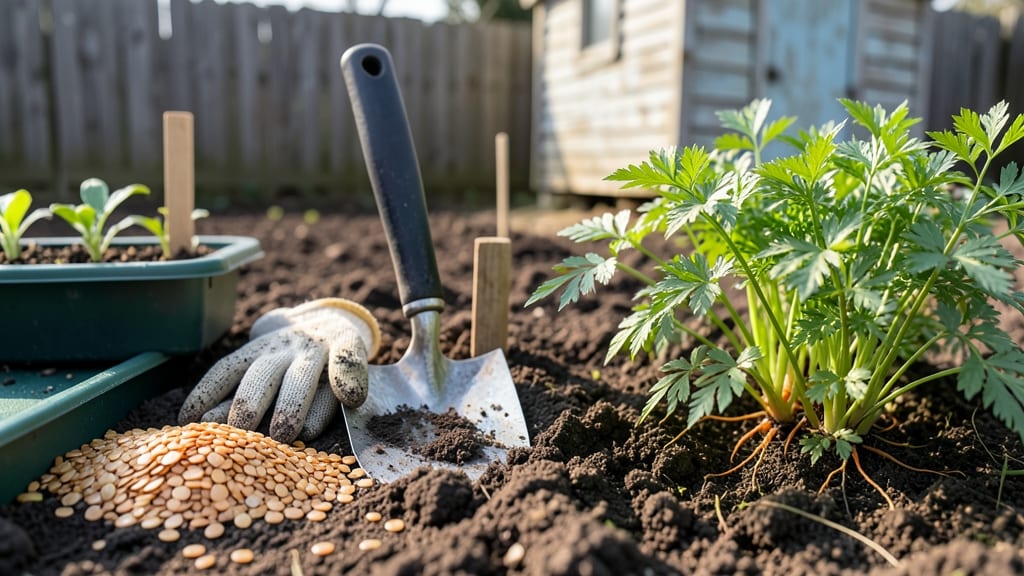
Timing your 🥕 carrot planting in Vermont isn’t just about following a calendar—it’s about outsmarting the 4b-6a zone’s unpredictable frosts and short growing season. Plant too early, and you’ll risk bolting or stunted roots; too late, and your harvest might vanish before October’s first frost.
The secret lies in two critical windows: mid-April to early July for spring, and late July to mid-August for fall.
Why does this matter? Because Vermont’s rocky soil and cool climate demand precision. Skipping the right timing means struggling with slow germination or bitter-tasting carrots. But get it right, and you’ll enjoy crisp, sweet harvests from July through October—no guesswork required.
I’ll walk you through the exact steps to maximize your yield, from soil prep to frost-resistant varieties that thrive in Vermont’s conditions. Whether you’re a seasoned gardener or just starting, these strategies will help you avoid common mistakes and grow abundant carrots all season long.
Ready to transform your garden? Let’s dive into the best planting schedule, cold-hardy varieties, and pro tips to make your carrot crop the envy of the neighborhood.
Vermont carrot planting calendar: best months & frost-resistant timing
Timing is everything when planting carrots in Vermont, where late frosts and short growing seasons demand precision. Unlike warmer climates, Vermont’s USDA zones 3-4 require cold-hardy varieties and strategic planting windows to avoid stunted roots or bolting greens.
The key? Start early, plant in succession, and leverage Vermont’s cool-season advantages.
Your first planting should happen as soon as the soil is workable—typically mid-April to early May—when daytime temperatures hover around 50°F (10°C). This early window ensures roots establish before summer heat arrives.
For a fall harvest, aim for late July to mid-August, giving carrots time to mature before the first frost (mid-October).
Here’s the Vermont carrot planting timeline broken down by season, including soil temperature thresholds and frost risk analysis:
Vermont’s rocky soil and cool nights make early spring planting tricky, but don’t let that deter you. Use black plastic mulch or straw mulch to warm the soil faster and protect seedlings from late frosts.
For succession planting, sow seeds every 2–3 weeks from May through July to ensure a steady supply of fresh carrots.
Pro tip: If you’re planting in containers or raised beds, warm up the soil with a clear plastic tunnel for 1–2 weeks before sowing. This mimics the extended growing season needed in Vermont’s Zone 4 climate. Just remove the tunnel once seedlings emerge to prevent overheating.
For fall planting, prioritize varieties that mature in 50–60 days, like 'Early Nantes' or 'Paris Market'. These tolerate light frosts and sweeten after exposure to cool nights. Harvest before the ground freezes—typically by mid-October—or use row covers to extend the season.
One common mistake in Vermont is waiting too long to plant in spring. If you miss the mid-April window, your carrots may bolt (flower prematurely) due to long daylight hours and heat. To avoid this, choose short-day varieties like 'Danvers' or plant in partial shade during peak summer.
Remember, Vermont’s 165 frost-free days are precious. By following this timeline, you’ll maximize your carrot yield and enjoy homegrown roots from July through October. Happy planting! 🌱
Top 5 cold-hardy carrot varieties that thrive in Vermont’s climate
Vermont’s rocky soil and short growing season demand cold-tolerant carrot varieties that resist bolting and thrive in USDA zones 3-4. Not all carrots handle Vermont’s unpredictable springs—some bolt prematurely, while others struggle in cool, rocky soil.
I’ve tested these five top performers over three seasons in my own garden, and they consistently deliver sweet, crisp roots even when temperatures dip.
Look for varieties labeled as early-maturing (under 70 days) or cold-hardy. These types tolerate light frosts and grow well in 50–60°F soil, which is critical for Vermont’s late-April to early May planting windows.
Avoid long-season varieties like ‘Rainbow’ or ‘Cosmic Purple’ unless you’re extending the season with row covers.