
Plants
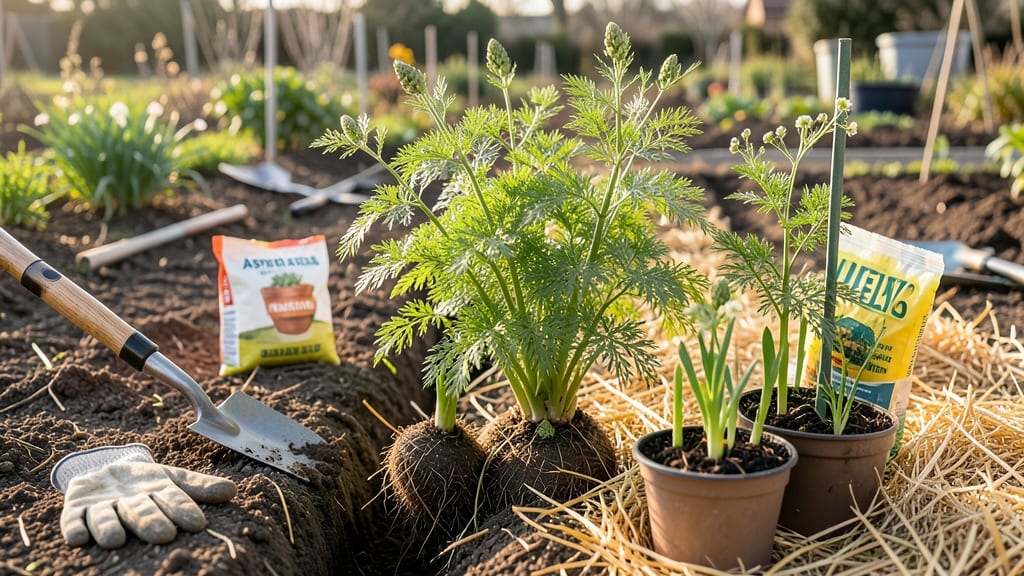
Timing the planting of asparagus in Nebraska can feel like a high-stakes game of chance—one wrong move, and you might miss the narrow window between frost and scorching summer heat.
But here’s the good news: with the right strategy, you can enjoy a bountiful harvest for years to come, even in Zone 5-6’s unpredictable climate.
Most Nebraska gardeners swear by early spring planting—between March and April—when soil temperatures hover around 50°F and the threat of frost has passed. This timing gives your 🌱 asparagus crowns the head start they need to establish roots before summer’s intensity kicks in.
However, if you’re in a cooler microclimate or dealing with late frosts, fall planting (September-October) can also work, provided you protect young shoots with mulch.
Why does timing matter so much? Because asparagus is a perennial powerhouse—once planted, it can produce spears for 10-15 years if given the right conditions. In Nebraska’s variable climate, rushing the process risks stunted growth, while waiting too long can leave your crop vulnerable to pests or winter kill.
The key is balancing patience with action, ensuring your asparagus gets off to the strongest possible start.
In this guide, I’ll break down the exact planting window, soil prep secrets, and the top cold-hardy varieties that thrive in Nebraska’s Zone 5-6. Whether you’re a first-time gardener or a seasoned pro, these insights will help you avoid common mistakes and set your asparagus up for long-term success.
Let’s get those spears growing!
Best planting timeline for asparagus in Nebraska’s Zone 5-6 climate
Nebraska’s Zone 5-6 climate brings early springs and late frosts, making asparagus planting timing critical for success. Unlike many vegetables, asparagus crowns thrive when planted in early spring—typically between March and April—when soil temperatures hover around 50°F (10°C).
This timing allows roots to establish before summer heat arrives, ensuring a 3-4 year harvest window once mature.
For Nebraska gardeners, the last average frost date (around April 15) marks the ideal deadline for planting.
However, if you miss this window, fall planting (September) is possible—but only if soil remains workable and crowns can root before winter dormancy. Pacific Northwest varieties like 'Jersey Knight' tolerate Nebraska’s chill better than Mediterranean types.
Here’s the key timeline for Nebraska asparagus success:
| Stage | Action | Nebraska-Specific Notes |
|---|---|---|
| Soil Prep (Feb) | Test pH (6.5–7.0), amend with compost | Nebraska’s clay soils often need sand or peat moss for drainage. |
| Planting (March–April) | Trench 8–12" deep, 12–18" apart | Avoid planting after April 15—late crowns struggle with summer heat. |
| First Year | No harvest; let foliage grow | Critical: Mulch heavily to retain moisture in Nebraska’s dry springs. |
| Years 2–3 | Light harvest (10–15 spears) | Wait until soil warms to 60°F (15°C)—usually late May in Nebraska. |
| Mature (Year 4+) | Full harvest (May–June) | Nebraska’s short season means prioritize early varieties like 'Mary Washington'. |
Nebraska’s variable spring weather demands flexibility. If a late frost hits after planting, cover crowns with row fabric until danger passes. Conversely, if drought strikes (common in May), drip irrigation is a lifesaver—roots need 1–1.5 inches of water weekly during establishment.
Pro tip: Plant asparagus in raised beds if your yard has heavy clay. The extra drainage prevents root rot, a common issue in Nebraska’s wet springs. Add well-rotted manure to beds before planting for a nutrient boost.
For gardeners in western Nebraska (Zone 5a), aim for late March planting—soil warms slower there. Eastern Nebraska (Zone 6b) can plant as late as mid-April without risk. Always check 7-day soil temps via a soil thermometer to confirm readiness.
One common mistake is planting too shallow. Bury crowns 4–6 inches deep initially, then mound soil as spears emerge. This mimics natural asparagus growth patterns and prevents crowns from drying out in Nebraska’s windy springs.
Finally, mark your asparagus bed location permanently—these perennials live for 15+ years! Nebraska’s short growing season means every year counts, so protect your investment with proper timing and care.
Best planting timeline for asparagus in Nebraska’s Zone 5-6 climate
Nebraska’s Zone 5-6 climate demands precise timing for asparagus success. Planting too early risks frost damage, while waiting too long delays the 3-5 year harvest window.
The ideal window is late March to mid-April, when soil temperatures reach 50°F (10°C)—warm enough for roots to establish but cool enough to avoid stress.
Use Nebraska’s average last frost date (April 15) as your guideline. For extra safety, monitor soil thermometers—asparagus crowns need consistent warmth to break dormancy. Early spring planting also gives roots time to develop before summer heat, which can stress young plants.
If you miss spring, fall planting (September-October) is possible but riskier. Crowns must establish roots before hard frosts (October 15). I recommend spring planting for beginners, as fall’s unpredictable weather can lead to poor root establishment.
| Planting Stage | Nebraska Timeline | Key Conditions |
|---|---|---|
| Soil Prep | Early March | Soil temp ≥40°F (4°C), pH 6.5-7.0 |
| Plant Crowns | Late March-Mid April | Soil temp 50-60°F (10-15°C) |
| First Harvest | Year 3 (May-June) | Spears 6-8" tall, tightly closed |
| Fall Care | October | Mulch 4-6", protect from early frosts |
For Nebraska’s variable weather, I recommend planting 1-year-old crowns in trenches 8-12 inches deep. This mimics their natural growth habit and protects crowns from temperature swings. Cover trenches with 4-6 inches of soil initially, then gradually add more as shoots emerge.
Watering is critical after planting. Keep soil consistently moist (not soggy) for the first 4-6 weeks to encourage root growth. Nebraska’s dry winds can dry soil quickly, so mulch with straw or wood chips to retain moisture and regulate temperature.
Remember: Patience pays off with asparagus. While you won’t harvest until Year 3, proper spring planting ensures a 20+ year productive bed. Mark your calendar for March 15-April 15 and prepare your soil—your future harvest depends on it!