
Plants
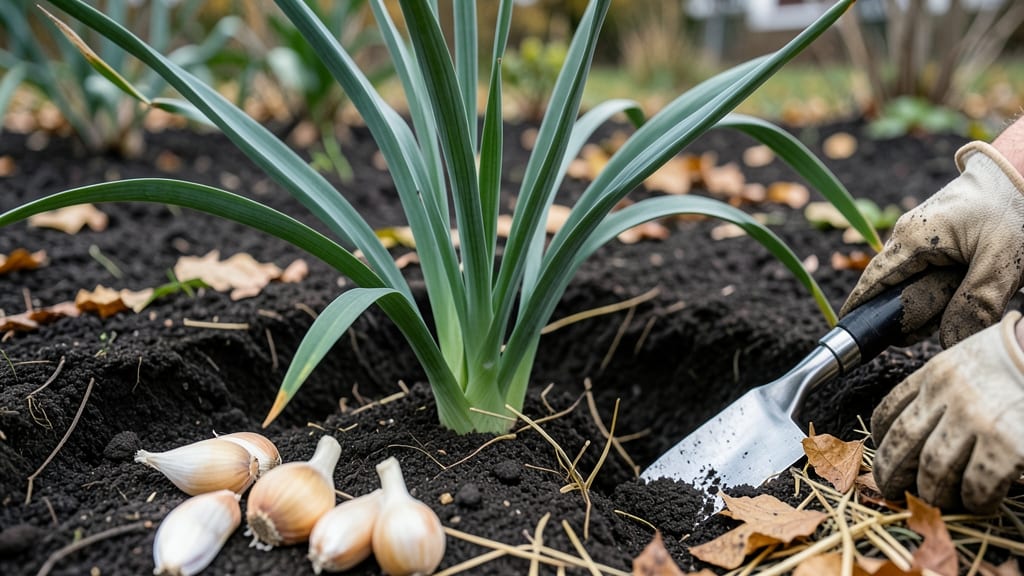
Timing your garlic planting in Vermont isn’t just about the calendar—it’s about matching your hardneck varieties to the region’s chill hours and unpredictable winters. Get this wrong, and you might end up with tiny bulbs or no harvest at all, even if you’re in zones 4b-6a.
Most Vermont gardeners know fall is the prime window, but the exact timing depends on whether you’re growing Rocambole, Porcelain, or Purple Stripe. Plant too early, and your cloves may rot before winter sets in; too late, and your garlic won’t get enough cold to form strong bulbs.
The sweet spot? Mid-October to early November, when soil temps dip below 40°F.
Here’s the game-changer: align your planting with Vermont’s 300–1,000+ chill hours—a range that varies wildly from the Champlain Valley to the Northeast Kingdom. I’ll walk you through how to calculate your variety’s needs, adjust for early frosts, and prep soil for that July-August harvest you’re dreaming of.
Ready to avoid common mistakes like over-mulching or skipping soil tests? Let’s dive into the step-by-step guide that’ll turn your Vermont garlic patch into a hardneck powerhouse—no guesswork required.
Vermont’s ideal garlic planting timeline by hardneck variety and chill-hour needs
Vermont’s cool climate and long winters make it perfect for growing hardneck garlic, but timing is everything. The key is planting when soil temperatures drop below 40°F (4°C) but before the ground freezes solid.
This typically falls between mid-October and early November, aligning with Vermont’s USDA zones 4b-6a.
Hardneck varieties like Rocambole, Porcelain, and Purple Stripe thrive with 300–1,000+ chill hours, which Vermont easily provides. Planting too early risks rot, while planting too late can stunt bulb development. The goal is to give your garlic 6–8 weeks of cold before winter dormancy sets in.
Here’s how Vermont’s microclimates affect timing:
- Champlain Valley (Zone 5a): Aim for October 15–November 1—warmer winters mean slightly later planting.
- Northeast Kingdom (Zone 4b): Plant October 1–October 15—earlier to account for colder, earlier freezes.
- Green Mountain Region (Zone 5b):** October 10–October 25 balances both extremes.
Soil temperature is your best guide. Use a soil thermometer to confirm temps are consistently below 40°F (4°C) before planting. In Vermont, this usually happens by late October, but watch for early frosts, which can delay planting if the ground isn’t ready.
| Variety | Chill Hours Needed | Best Planting Window | Soil Temp Threshold |
|---|---|---|---|
| Rocambole | 600–1,000+ hours | October 1–15 (earlier in Zone 4b) | Below 40°F (4°C) |
| Porcelain | 400–700 hours | October 10–25 | Below 40°F (4°C) |
| Purple Stripe | 300–500 hours | October 15–November 1 | Below 40°F (4°C) |
| Silverskin (Softneck) | 200–400 hours | November 1–15 (riskier in VT) | Below 45°F (7°C) |
For hardneck varieties, aim to plant when daytime temps hover around 50°F (10°C) and nights dip below 40°F (4°C). This usually aligns with Vermont’s first frost, which typically arrives in mid-October.
If you miss this window, you can plant as late as early December, but bulbs may be smaller.
Vermont’s snow cover acts as natural insulation, protecting garlic through winter. However, thin snow or frequent freeze-thaw cycles can stress plants. Mulch with 4–6 inches of straw after planting to retain moisture and regulate soil temperature. Remove mulch in early spring once soil thaws to prevent rot.
One common mistake is planting cloves too shallow—they need 2 inches of soil coverage for proper bulb formation. In Vermont’s rocky or sandy soils, amend beds with compost to improve moisture retention. Well-draining soil prevents rot, while clay-heavy soils may require raised beds.
Harvest timing depends on your variety, but most Vermont-grown hardneck garlic is ready by late July. Look for lower leaves turning brown while upper leaves stay green—a sign bulbs are mature. Cure harvested garlic in a dry, shady spot for 2–3 weeks to extend storage life.
How to calculate your Vermont garlic variety’s chill-hour match for perfect timing
Matching your garlic variety to Vermont’s chill hours is the secret to growing plump, flavorful bulbs. Most hardneck garlic varieties need between 300–1,000 chill hours—but Vermont’s climate varies by region, from the milder Champlain Valley to the colder Northeast Kingdom.
Start by checking your seed packet or supplier for your variety’s exact chill-hour requirement.
For example, Purple Stripe garlic typically needs 600–900 chill hours, while Rocambole thrives with 400–600 chill hours. Vermont’s average winter chill hours range from 800–1,200 hours, so most hardneck varieties will work—but timing is everything.
Plant too early, and your cloves may rot before winter sets in; too late, and they won’t get enough cold exposure to form bulbs.
Next, use a chill-hour calculator (like the one from the USDA or your seed supplier) to estimate when your local area will hit the required chill hours.
For instance, if your variety needs 600 chill hours and your region averages 10 chill hours per week in winter, you’ll need about 6 weeks of cold before planting.
🌱 Key Chill-Hour Steps for Vermont
- Check your variety’s chill-hour needs (e.g., 600–900 hours for Purple Stripe).
- Use a local weather tool (like NOAA) to track chill hours in your area.
- Aim to plant 4–6 weeks before your region hits the required chill hours.
- Adjust for microclimates: Valley areas (like Burlington) may need earlier planting than mountainous zones.
- Plant when soil temps drop to 40–50°F—ideal for root growth before freezing.
Don’t forget to account for Vermont’s unpredictable winters. If you’re in a region with early frosts (like the Northeast Kingdom), plant by early October to ensure roots establish before the ground freezes.
In milder areas like the Champlain Valley, you can extend planting until mid-November without risking rot.
Once you’ve calculated your planting window, prepare your soil by amending it with compost and a balanced fertilizer (like 10-10-10). Garlic prefers well-draining soil with a pH of 6.0–7.0, so test your soil a few weeks before planting.
This ensures your cloves have the nutrients they need to grow strong bulbs during Vermont’s short growing season.
Finally, mark your planting date on a calendar and set a reminder—garlic planted at the right time in Vermont can yield 3–5 times more bulbs than off-schedule planting. With the right chill-hour match, you’ll be harvesting plump, flavorful garlic by next July or August! 🌾