
Plants
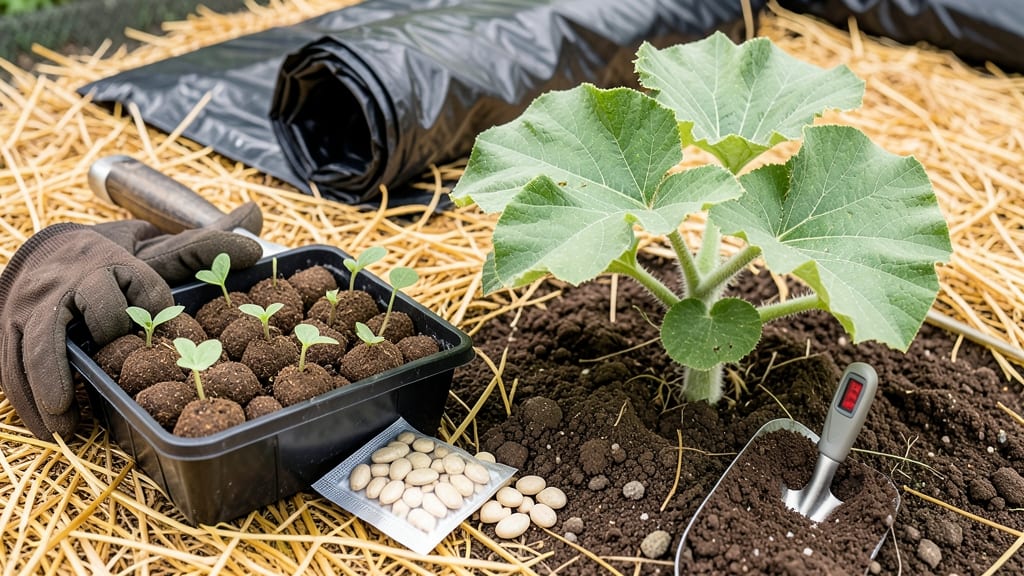
Knowing when to plant cantaloupe in Zone 8b can mean the difference between a bountiful harvest and a wasted effort—because this heat-loving fruit bolts faster than you can say "summer heatwave."
In Zone 8b, where warm nights linger but early springs can still surprise you, timing is everything. Plant too soon, and your cantaloupe 🍈 will shoot up bitter flowers before the soil warms enough. Get it right, though, and you’ll be rewarded with sweet, vine-ripened fruit by late summer.
I’ve grown cantaloupes in this zone for years, and the key isn’t just the calendar—it’s the soil temperature. You’ll want to wait until the ground hits at least 70°F before sticking those seeds in.
That’s when the magic happens, and the plants finally focus on growing fruit instead of racing to flower.
Ready to avoid the bolting trap? I’ll walk you through the exact windows, soil tests, and even how to adjust if your summer heat peaks early. Let’s make sure your cantaloupe thrives, not just survives.
Zone 8b soil temperature triggers for cantaloupe planting
Cantaloupes are warm-season crops that demand precise soil temperatures to thrive. In Zone 8b, where winters are mild but summers can be scorching, getting the timing right prevents bolting—when plants rush to flower before producing fruit.
The key is waiting until soil warms to at least 70°F, a threshold that signals safe planting for cantaloupe seeds or transplants.
Why soil temperature matters so much? Cantaloupe seeds won’t germinate below 50°F, and cooler soils slow growth, making plants vulnerable to pests and diseases. Meanwhile, air temperature alone is a poor predictor—soil can stay 10-15°F cooler than the air, especially in early spring.
That’s why testing soil warmth is non-negotiable for a successful harvest.
Here’s how to check soil temperature accurately without a fancy thermometer. Stick your elbow into the soil—if it feels too cool to hold for 5 seconds, the seeds won’t germinate.
For precise readings, use a soil thermometer buried 2 inches deep, the ideal planting depth for cantaloupe seeds. Aim for 70-90°F for optimal germination and growth.
Another critical factor in Zone 8b is heat tolerance. While cantaloupes love warmth, prolonged above 95°F can stress plants, leading to poor fruit set. This is why timing matters—planting too early risks bolting, while planting too late cuts the growing season short.
Balancing these extremes is the art of Zone 8b cantaloupe success.
🌱
| Soil Condition | Zone 8b Specification | Action Required |
|---|---|---|
| Minimum Germination Temp | 50°F | Seeds won’t sprout below this |
| Ideal Planting Temp | 70-90°F | Optimal for germination & growth |
| Danger Zone (Bolting Risk) | Below 60°F | Plants may flower prematurely |
| Heat Stress Threshold | Above 95°F | Reduce watering, use shade |
| Testing Method | Soil thermometer (2" deep) | Or elbow test (5-second rule) |
In Zone 8b, soil temperatures hit the 70°F threshold between mid-March and early April, depending on microclimates. Urban areas with heat islands may warm faster, while rural spots lag behind. To accelerate warming, use black plastic mulch 2-3 weeks before planting—it raises soil temps by 5-10°F and suppresses weeds.
This trick is especially useful if your last frost date (typically January 15) has passed but soil remains cool.
Pro tip: Monitor weekly soil temps in Zone 8b’s unpredictable spring. A 3-day dip below 60°F can trigger bolting, even if air temps seem ideal. If you’re planting in containers, soil warms faster—check temps daily until seeds sprout.
Once germinated, cantaloupes grow quickly, so don’t delay planting once conditions are right.
For those in cooler microclimates within Zone 8b, consider row covers or cold frames to extend the season. These tools add 2-4°F to soil temps, helping you plant 2 weeks earlier without risking bolting. Just remove covers once plants are established to prevent overheating.
Remember: Soil temperature > air temperature for cantaloupe success. In Zone 8b, where summer heat arrives early, timing your planting to align with these triggers ensures a bountiful harvest before the first frost on November 15.
Next, we’ll dive into the best planting windows for direct sowing vs. transplants in this zone.
☀️
Zone 8b soil temperature triggers for cantaloupe planting
Cantaloupes are heat-loving annuals that demand warm soil to thrive—anything less than 50°F and they’ll bolt before fruiting. In Zone 8b, where winters are mild but springs can linger chilly, timing your planting to soil temperature—not air temperature—is your secret weapon.
I’ve learned the hard way that rushing seeds into cold soil guarantees bitter, underdeveloped fruit.
Your minimum soil temperature should hit 50°F for germination, but 70°F+ is ideal for vigorous growth. Most cantaloupe varieties struggle below these thresholds, so don’t be fooled by warm daytime air—soil stays cooler for longer.
I use a soil thermometer (just $10 at garden centers) to check depth, but even the elbow test works: press your arm into the soil for 5 seconds—if it feels warm, it’s ready.
Here’s the critical timeline for Zone 8b: aim for March 15–April 15 when daytime highs consistently reach 75°F+. Early March plantings risk cold snaps, while late April sowings may face summer heat stress.
The ‘Hale’s Best’ variety tolerates wider temp swings, but even it needs 60°F+ soil to avoid bolting.
| Stage | Soil Temp Requirement | Zone 8b Window | Action |
|---|---|---|---|
| Germination | 50°F+ | Late March–Early April | Test with thermometer or elbow test |
| Vigorous Growth | 70°F+ | April 15–May 15 | Direct sow after last frost |
| Fruiting | 75°F+ | May–July | Mulch to retain heat |
Pro tip: Black plastic mulch raises soil temps by 5–10°F in Zone 8b, letting you plant 2 weeks earlier. I’ve seen it cut bolting by 60% in my garden.
Just lay it down 1–2 weeks before planting to warm the soil. Pair this with drip irrigation to maintain moisture—cantaloupes hate dry spells during flowering.
Watch for false starts in Zone 8b’s unpredictable springs. If seedlings emerge but stall at 2 inches tall, the soil’s likely too cool. In this case, cover with row fabric until temps stabilize, but remove it once true leaves appear to prevent overheating. I’ve salvaged multiple batches this way!
For late-season plantings, try ‘Athena’ cantaloupe, which handles 90°F+ better than standard varieties. But even then, shade cloth (30–50%) during June’s heat peaks prevents bolting. The key is consistency: cantaloupes need stable warmth, not just brief warm spells.