
Plants
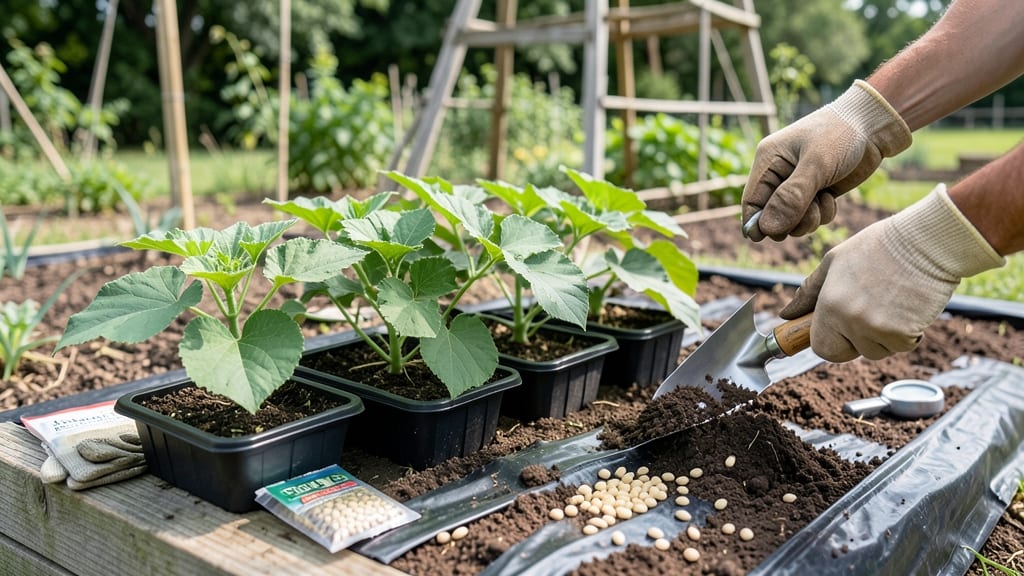
Texas heat-zone planting calendar for cantaloupe seeds (avoid bolting & frost risk)
Cantaloupe thrives in Texas’ heat, but timing your seeds is critical to avoid frost damage or premature bolting. Unlike cooler crops, cantaloupes need soil temperatures above 70°F to germinate properly.
Planting too early risks seedlings dying in a late frost, while planting too late may cause vines to flower and fruit before maturity.
Texas spans USDA Zones 8a-10b, creating regional differences in planting windows. North Texas (e.g., Dallas, Lubbock) has later last-frost dates (March 15) compared to South Texas (e.g., Houston, Corpus Christi), where you can plant as early as February.
Central Texas (Austin, San Antonio) falls in between, with ideal planting starting in mid-March.
Key rule: Never plant cantaloupe seeds until the soil temperature consistently stays above 70°F for at least 1-2 weeks. Use a soil thermometer to check—air temperature alone won’t cut it. In North Texas, this often means waiting until late April, while South Texas gardeners can start as early as mid-February.
| Texas Region | Last Frost Date | Ideal Planting Window | Soil Temp Threshold | Harvest Window |
|---|---|---|---|---|
| North Texas (Dallas, Lubbock) | March 15 | Late April - Early May | 70°F+ (consistent) | July - September |
| Central Texas (Austin, San Antonio) | February 28 | Mid-March - Early April | 70°F+ (consistent) | June - August |
| South Texas (Houston, Corpus Christi) | January 15 | Mid-February - Late February | 70°F+ (consistent) | May - July |
| West Texas (El Paso, Midland) | March 1 | Late March - Early April | 70°F+ (consistent) | June - August |
| East Texas (Tyler, Beaumont) | February 20 | Early March - Mid-March | 70°F+ (consistent) | June - August |
🌱 Pro Tip: Use black plastic mulch to warm soil faster and extend your planting window by 2-3 weeks.
For spring plantings, aim to sow seeds 4-6 weeks before your area’s last frost date. Cantaloupes take 75-90 days to mature, so calculate backward from your first expected frost in fall (November).
For example, if your first frost is November 15, plant seeds by late July to ensure a harvest before cold sets in.
Texas gardeners can also try a fall planting for a second harvest. Start seeds in mid-July (North Texas) or early August (Central/South Texas) for a September-October harvest. However, avoid planting too close to frost—cantaloupes need at least 90 days of warm weather to ripen properly.
In South Texas, where winters are milder, you might even squeeze in a winter harvest with row covers.
If you’re unsure about your local frost dates, check the Texas A&M AgriLife Extension or use the National Weather Service frost prediction maps. Microclimates play a huge role—gardeners in the Hill Country may need to wait longer than those near the Gulf Coast.
Always err on the side of planting late rather than early to avoid frost damage.
Once you’ve nailed down your planting window, prepare your soil with compost and a balanced fertilizer (10-10-10) to give vines a strong start. Cantaloupes are heavy feeders, so don’t skimp on nutrients.
After germination, thin seedlings to 2 feet apart in rows 4-6 feet apart to allow vines room to sprawl.
Remember, cantaloupes are day-length sensitive. In Texas’ long, hot summers, they’ll bolt quickly if stressed. Keep soil consistently moist (but not soggy) and mulch heavily to retain moisture and regulate soil temperature. With the right timing, you’ll be feasting on homegrown cantaloupes by mid-summer!
5 Critical factors that determine the best planting window for cantaloupe in Texas
Timing your cantaloupe seeds isn't just about months—it's about soil temperature, humidity, and even daylight hours. Texas' diverse climate zones mean what works in Houston might fail in Dallas. Let’s break down the 5 critical factors that shift your planting window by weeks.
First, soil temperature is your #1 priority. Cantaloupes won’t germinate below 70°F soil. Use a soil thermometer—air temps can fool you! In North Texas, wait until mid-April; in South Texas, you might start by mid-March. Cold soil causes slow germination or rot.
Next, humidity levels play a sneaky role. High humidity in East Texas speeds up fungal diseases like powdery mildew, while West Texas’s dry air can stress seedlings. Aim for 40-60% humidity during germination by using row covers if needed.
Don’t overlook daylength sensitivity. Cantaloupes are short-day plants, meaning they bolt (flower prematurely) if days get too long. In North Texas, plant by late May to avoid this; in South Texas, you’ve got until mid-July.
Then there’s microclimates. A Hill Country garden might be 10°F cooler than a Gulf Coast plot just miles away. Observe your yard: South-facing slopes warm faster; low-lying areas stay cooler. Test spots with a soil thermometer for 3 days to confirm readiness.
Finally, last frost dates vary wildly. North Texas averages frost until mid-November, while South Texas rarely sees frost. For fall plantings, start seeds indoors by July to transplant after Labor Day—but only if your area has 210+ frost-free days.
Pro tip: Bookmark your local AgriLife Extension frost maps. They update yearly based on 30-year averages, not just last year’s weather. Plan ahead—cantaloupes need 75-90 days to mature!