
Plants
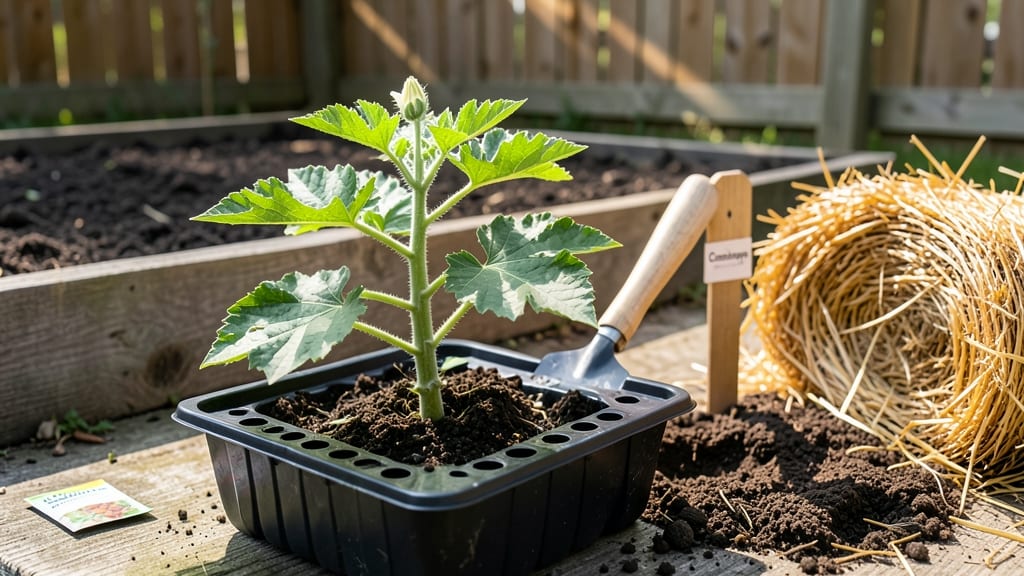
If you've ever planted cantaloupe in Zone 6 and ended up with bitter fruit or stunted vines, you're not alone—timing is the most important factor for a sweet harvest. The exact weeks before last frost can mean the difference between juicy, ripe cantaloupe 🍈 and a disappointing garden experiment.
Cantaloupe loves warm soil, but planting too early in Zone 6 risks frost damage, while waiting too long cuts your harvest short. I’ve grown cantaloupes in 6a for years, and these precise guidelines will help you avoid common mistakes and maximize your yield.
In this guide, you’ll learn the ideal planting window—typically mid-April to early May—along with soil temperature tips and frost protection strategies. Whether you’re a beginner or a seasoned gardener, these steps will set you up for a bountiful summer harvest.
Ready to grow cantaloupe that tastes like a summer day? Let’s get started with the key details you need to succeed in Zone 6.
Zone 6 cantaloupe planting schedule: exact weeks before last frost
In Zone 6, cantaloupe (Cucumis melo) needs precise timing—plant too early, and frost will kill tender seedlings; wait too long, and your harvest shrinks. The key is waiting until soil temperatures hit 70°F+ and all frost risk has passed.
For most of Zone 6, this means 2-4 weeks after your last average frost date, which typically falls in mid-April to early May.
Northern Zone 6 (6a) areas like Chicago or Buffalo may need to wait until late May, while southern Zone 6 (6b) regions like St. Louis or Cincinnati can start as early as early April.
Always check your local frost dates—the USDA Plant Hardiness Zone Map is a great starting point, but microclimates matter!
Cantaloupes are warm-season crops, so rushing them into cold soil leads to poor germination and weak vines. Use a soil thermometer to confirm warmth—if it’s below 70°F, hold off. In my garden, I’ve seen seeds rot when planted in 55°F soil, even if air temps were mild.
For direct sowing (planting seeds directly in the garden), aim for 2-3 weeks after your last frost. If you’re transplanting seedlings, start them indoors 3-4 weeks before your target outdoor date. Seedlings need to be 3-4 weeks old and hardened off before going outside.
📅 Zone 6 Cantaloupe Planting Timeline
| Stage | Action | Zone 6 Timing | Notes |
|---|---|---|---|
| Soil Prep | Test soil pH (6.0-6.8) | Early April | Add compost for fertility |
| Indoor Start | Sow seeds indoors | Mid-March | Use seedling heat mat |
| Hardening Off | Acclimate seedlings | Late April | 5-7 days outdoors |
| Direct Sow | Plant seeds outdoors | Mid-April to early May | Soil must be 70°F+ |
| Transplant | Move seedlings out | Late April to early May | After last frost |
| Harvest | Pick ripe fruit | July to early September | 75-90 days after planting |
If you’re in a northern part of Zone 6, consider using black plastic mulch to warm the soil faster. I’ve seen this method add 2-3 weeks to the growing season by raising soil temps by 5-10°F.
For southern Zone 6, you might even squeeze in a second planting in early June for a late-summer harvest.
Pro tip: Use row covers if an unexpected late frost threatens. These lightweight fabrics protect young plants while still allowing sunlight and airflow. I’ve saved entire plantings this way—just remove covers when flowers appear to ensure bee pollination.
Remember, cantaloupes need 6-8 hours of full sun daily, so choose a southern exposure spot with no shade. Poor sunlight leads to small, bitter fruit or no harvest at all. In my garden, vines in partial shade produce only 30% of the yield compared to full-sun plants.
For succession planting, sow a second batch in early June if your first planting is done by early July. This extends your harvest window and maximizes your garden’s potential. Just be prepared to harvest before first frost, which in Zone 6 typically arrives in mid-October.
Finally, don’t rush—patience pays off. Waiting for the perfect conditions ensures strong, productive vines and a bounty of sweet cantaloupes. My best harvests came from plants started at the optimal time, not the earliest possible moment.
Zone 6 cantaloupe planting schedule: exact weeks before last frost
Cantaloupe plants are heat-lovers that refuse to thrive in cold soil. In Zone 6, your last frost date typically falls around mid-April, but soil temperatures lag behind air temperatures. The key to success? Planting when soil reaches a steady 70°F+—not just when the calendar says spring has arrived.
This usually translates to 2-4 weeks after your last frost date, depending on your specific location within Zone 6.
For northern Zone 6 (like Madison, WI or Burlington, VT), aim for mid-to-late May for direct sowing. Southern Zone 6 (like St. Louis, MO or Raleigh, NC) gardeners can plant as early as early May.
Transplants can go in 1-2 weeks earlier if you've hardened them off properly. Remember: cantaloupes need 75-90 days to mature, so late plantings risk harvests arriving before the first frost in October.
| Planting Stage | Zone 6 Timing | Soil Temp | Notes |
|---|---|---|---|
| Start Seeds Indoors | 4-6 weeks before last frost (Feb-March) | N/A | Use grow lights; transplant after frost |
| Direct Sow Outdoors | 2-4 weeks after last frost (May) | 70°F+ | Northern Zone 6: late May; Southern: early May |
| Transplant Seedlings | 1-2 weeks earlier than direct sow | 65°F+ | Hardened-off plants only; avoid transplant shock |
| Harvest Window | July to early September | N/A | Earlier for late plantings; later for early starts |
To check soil temperature, use a soil thermometer—stick it in the ground 2-3 inches deep and wait 10 minutes for an accurate reading. If your soil is still below 70°F in early May, don't rush planting.
Cantaloupe seeds need warmth to germinate; cold soil will leave you staring at empty rows for weeks. Pro tip: Use black plastic mulch laid down 1-2 weeks before planting to warm the soil faster and suppress weeds.
For gardeners in Zone 6a (colder end of the spectrum), consider starting seeds indoors in early April and transplanting after Memorial Day. This gives you a 2-week head start on the growing season.
Just be prepared to protect seedlings with frost cloth if late frosts threaten. In contrast, Zone 6b gardeners can often plant outdoors by mid-May without additional protection, thanks to slightly warmer nights.
Don't forget about succession planting! Cantaloupes have a long growing season, so if you miss the early window, try planting a fast-maturing variety like 'Sugar Baby' in early June.
These varieties mature in 60-70 days, giving you a second chance at harvest before frost. Just space them farther apart—cantaloupe vines need 3-6 feet of room to sprawl comfortably.
Timing isn't just about the calendar—it's about soil, sun, and survival. When you plant cantaloupe in Zone 6, you're playing a high-stakes game of wait-and-see. But with these exact guidelines, you'll maximize your chances of sweet, ripe fruit before the first frost nips at your vines. 🍈